Lynx
®
NGT-9000
Pilot’s Guide2-66
Controls and Indicators
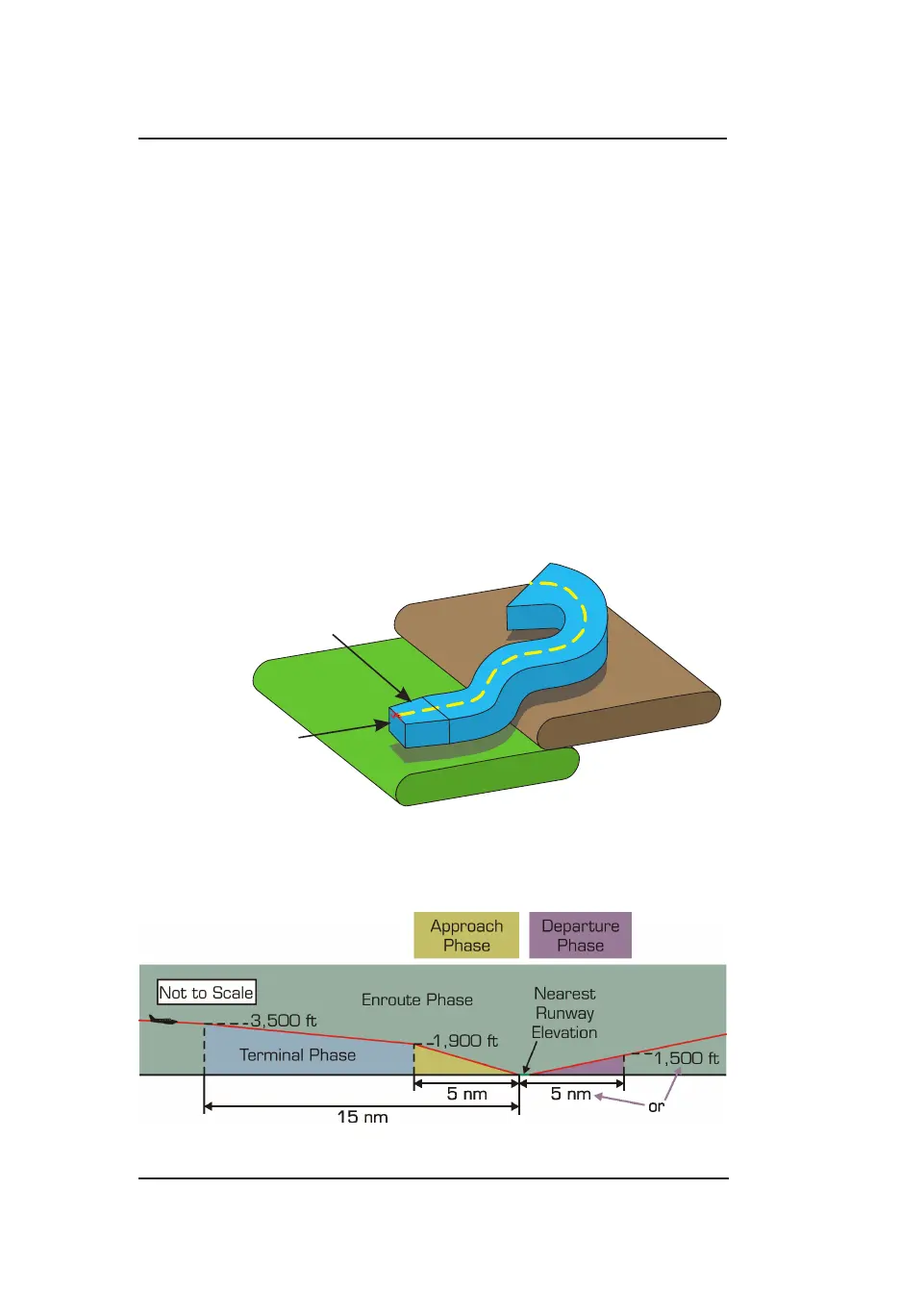
Figure 2-30: Forward Looking Terrain Avoidance (FLTA)
Figure 2-31: Phase of Flight Definitions
Look-Ahead Distance
(60 Seconds)
Look-Down Distance
(Required Terrain
Clearance)
Terrain
Terrain
Width of the search volume increases
linearly from 0.25 nmi at the plane, to
0.5 nmi 60 seconds ahead of the plane,
and increases even more around turns.
Note that turns are only "predicted"
based on the current turn rate.
Forward Looking Terrain Avoidance (FLTA)
The conditions, reduced required terrain clearance and imminent
terrain impact, are part of the TAWS FLTA function. Using FLTA, TAWS
looks ahead of the airplane (in the database) along its projected vertical
and horizontal ight path, including turns, to determine if any terrain
or obstacles might pose a threat (Figure 2-30). (Hereafter, the word
“terrain” refers to “terrain or obstacles” unless indicated otherwise.)
The TAWS function determines the terrain threat based on the phase
of ight (Figure 2-31) and on the predicted terrain clearance compared
to the required terrain clearance (Tables 2-9 & 2-10). FLTA alerts are
disabled within the quiet zone when landing the aircraft to prevent
nuisance terrain alerts. The quiet zone is an area 1.2 nm around the
runway and 700 ft above the runway threshold.



 To Next Page
 Loading...