Lynx
®
NGT-9000
Pilot’s Guide 2-9
Operation - Panel Mount
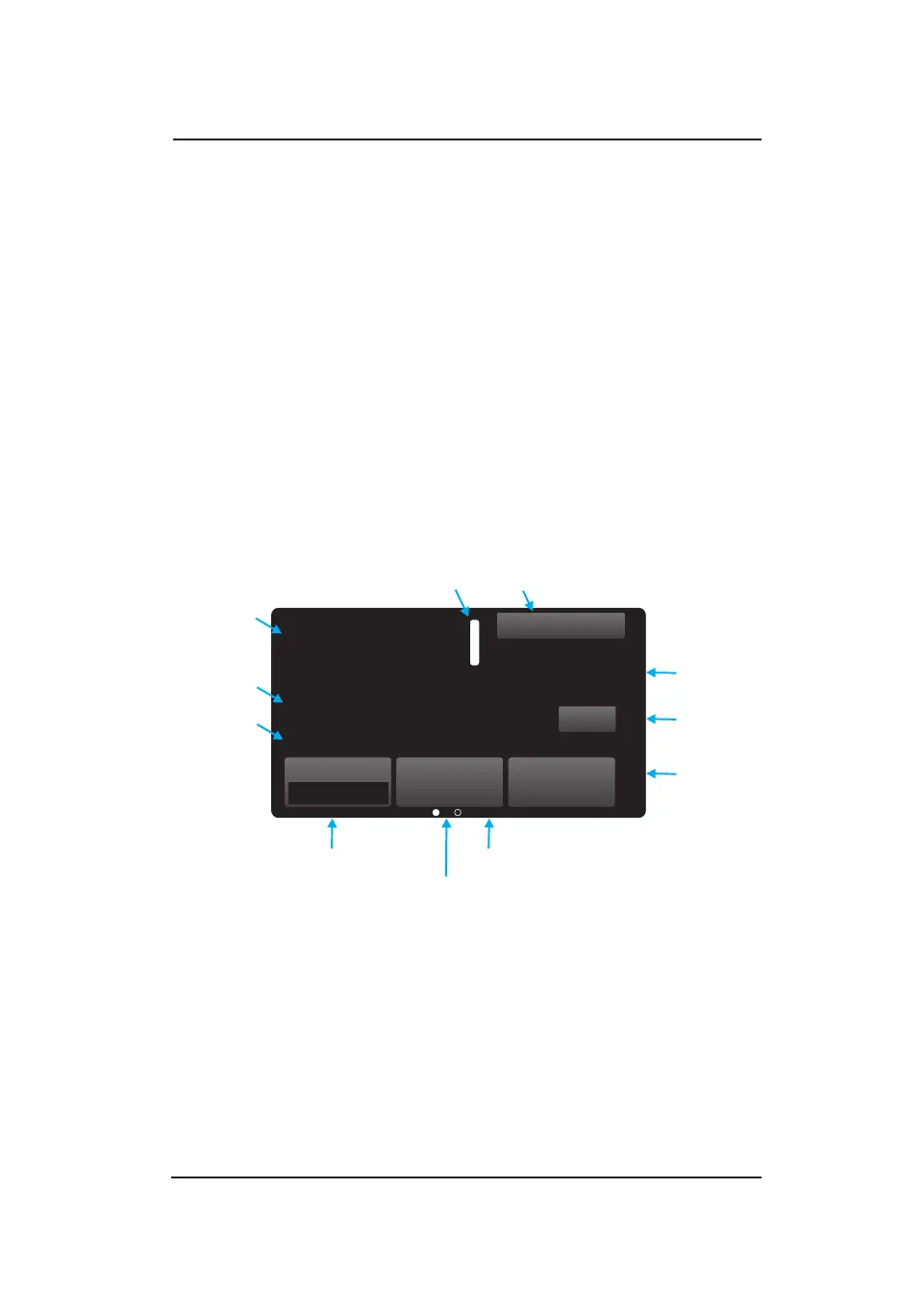
Figure 2-5 Transponder Application Screen
TRANSPONDER OPERATION
The transponder receives interrogations from surrounding aircraft and
from ATC and then transmits replies.
Ground stations can interrogate Mode S Transponders individually
using a 24-bit ICAO Mode S address, which is unique to the particular
aircraft. In addition, ground stations may interrogate the unit for its
transponder data capability and the aircraft’s Flight ID.
The transponder application is the rst screen on the left side of the
display as indicated by the application indicator. See Figure 2-5 and
the functional description below for operating instructions.
Release 2.1 or greater. An external Standby Mode switch is available.
See Chapter 4 for details on Transponder screen and operation
changes.
Squawk Code
When the Squawk Code text is tapped, the Squawk Code Edit Screen
is shown. See Figure 2-6. The current Squawk Code continues to be
transmitted until the last digit of the new Squawk Code is entered. The
edit mode is canceled by tapping the Squawk Code before the fourth
digit is entered, or after 5 seconds of inactivity, or if a Trafc Advisory
or TAWS Alert occurs.
MSG
ON-GND
ON-GND
System Test
I
D
E
N
T
1200
PA LT
120
00ft
ID
N333TL
IDENT
Squawk
VFR
Mode
ALT
Application Indicator
A
wk
Code
Pressure
Altitude
Flight ID
or
Call Sign
Transponder Active
IDENT or Reply Message
(On Ground Only)
Squawk Button
XPDR Mode
Control
IDENT
Button
Message
Button



 To Next Page
 Loading...