Itala | INSTRUCTION MANUAL
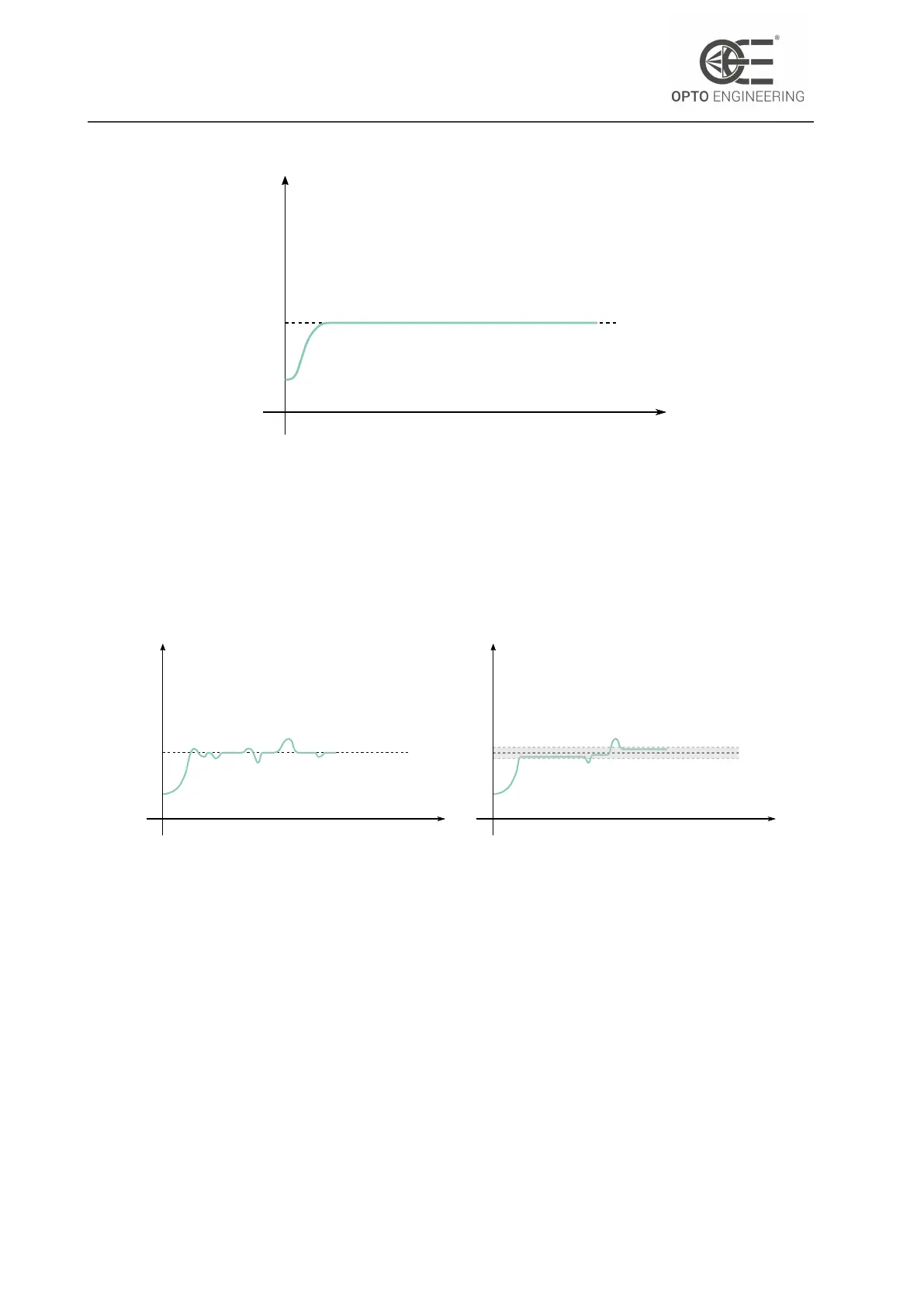
Figure 55: Evolution of the average grey level value over
time when autoexposure is active.
In order to avoid the continuously adjustment of the exposure time, a certain threshold can be set
with the oeAutoConfidence feature: in this way the algorithm becomes more insensitive to little
external light fluctuations and becomes active only in case of a consistent grey level variations (see
Fig.56).
time
grey
levels
127
255
50
time
grey
levels
127
255
50
Figure 56: The continuous adjustment of the exposure time due to variations of the ex-
ternal light (figure on the left) can be slowed down by adding a confidence value around
the target brightness (figure on the right).
The behaviour of the autogain/autoexposure algorithm can be tuned through the oeAutoDamp-
ingFactor node: low values of this parameter give higher stability but slower response; on the
contrary, high values can speed up the algorithm but can lead to unstable behaviours (see Fig.57).
If the light conditions are poor, a long exposure time is needed to achieved the desired brightness
level: in some cases, this situation can lead to an undesired reduction of the camera frame rate.
In order to avoid this condition, it’s possible to set a minimum and maximum exposure time which
can clamp and limit the exposure time computed by the autoexposure algorithm (i.e. oeExpo-
sureAutoMin and oeExposureAutoMax respectively): for example, as shown in Fig.58, in case
the exposure time needed for having the desired brightness is greater than the oeExposureAu-
toMax value, the target grey level cannot be reached but the resulting frame rate won’t be affected
v1.12 - eng 76


 To Next Page