SECTION 1: AIR HANDLER S AFETY
1 of 154
SECTION 1: AIR HANDLER SAFETY
Yo ur Safety is Important to Us!
This symbol is used throughout
the manual to notify you of
possible fire, electrical or burn
hazards. Please pay special
attention when reading and
following the warnings in these
sections.
Installation, service and, at a minimum, annual
inspection of air handlers must be done by a
contractor qualified in the installation and service of
gas-fired heating equipment.
Read this manual carefully before installation,
operation or service of this equipment.
This air handler is designed for heating non-
residential indoor spaces. Do not install in residential
spaces. These instructions, the layout drawing, local
codes and ordinances and applicable standards that
apply to gas piping, electrical wiring, ventilation, etc.
must be thoroughly understood before proceeding
with the installation.
Protective gear is to be worn during installation,
operation and service. Thin sheet metal parts have
sharp edges. To prevent injury, the use of w
ork
gloves is recommended.
Before installation, check that the local distribution
conditions, nature of gas and pressure and
adjustment of the appliance are compatible.
The equipment must be applied and operated under
the general concepts of reasonable use and installed
using the best building practices.
This appliance is not intended for use by persons
(including children) with reduced physical, sensory or
mental capabilities, or lack of experience and
knowledge, unless they have been given supervision
or instruction concerning use of the appliance by a
person responsible for their safety.
Children should be supervised to ensure that they do
not play with the appliance.
For additional copies of the Installation, Operation
and Service Manual, please contact Rapid
Engineering LLC.
Gas-fired appliances are not designed for use in
atmospheres containing flammable vapors or dust or
atmospheres containing chlorinated or halogenated
hydrocarbons. Recirculated room air may be
hazardous if containing flammable solids, liquids,
and gases; explosive materials; and/or substances
which may become toxic
when exposed to heat (i.e.
refrigerants, aerosols, etc.).
1.1 Description of Operation
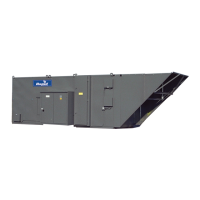
This air handler is a direct-fired, electric, steam, hot
water and/or energy recovery heated fresh air
appliance. It is designed for indoor or outdoor
installation with fresh outdoor air delivered to the
burner. Air handlers are designed to operate in
temperatures as low as -30 °F (-34 °C) variable
frequency drive is only approved for applications
15 °F (-9 °C) and above, unless a control enclosure
heater is installed. The air handler is factory-tested
and may be designed to operate using natural gas or
LPG (check the air handler's rating plate for
information on the appropriate gas). The heat will
modulate to maintain the selected supply air
temperature or room air temperature, depending on
the selected controls. See Page 92, Section .
The air handler may be provided with several
different controls and options to meet various
application requirements. Be sure to read this entire
manual before installation and start-up.
1.2 Inspection and Setup
The air handler may ship in multiple sections based
upon the configuration selected. The air handler was
inspected and operated prior to shipment.
Immediately u
pon receipt of the air handler, check
the fuel and electrical requirements of the air handler
and verify that they match the fuel and electrical
supply available. Verify that the specifications on the
air handler rating plate match the order. Check the air
handler for any damage that may have occurred
during shipment. If any damage is found, file a claim
with the transporting agency. Do not refuse
shipment. Check the installation location to ensure
proper clearances to combustibles. See Page 8,
Section 3.1.
Any small options which do not come attached to the
air handler will be found inside the air handler.
Larger accessories (i.e. legs, stand, filter section,
inlet hood) may either ship with the air handler or
separately on another truck. Check the bill of lading
for information.


 To Next Page