65www.zcorp-users.com
WATER TRANSFER PRINTING
Water transfer printing is a process that enables 2D printed patterns to be
applied to three-dimensional objects. The process is suitable for production
as well as prototyping. Currently, the most prevalent use of water transfer
printing may be in auto finishing. As shown in the picture below, many trim
packages utilize the process to mimic high-end wood finishes on plastic or
metal components. The process is also often used on small electronics
equipment, decorative items and architectural trim.
The process transfers a 2D image onto a 3D
object by floating the image on the surface of a heated water bath and dipping the
3D object, through the image, into the bath. A subsequent sealing step with a
spray lacquer gives the part durability with a wide range of surface finishes. Any
part that can be primed and spray-painted can be dipped. Equipment
manufacturers, such as Dips ‘n’ Pieces, claim that virtually any geometry can be
dipped. With proper masking, parts can be dipped from all directions to give a
near continuous pattern on every surface of a part.
There is some equipment to purchase and set-up to be able to perform this printing
process in-house, however there are several service bureaus that will dip parts
for a fee. Any image can be transferred to the object, however, standard patterns
and color combinations prevail at most service bureaus. The process is also referred to as: Dip Printing,
Immersion Printing, 3D Printing, or Cubic Printing.
Process Description
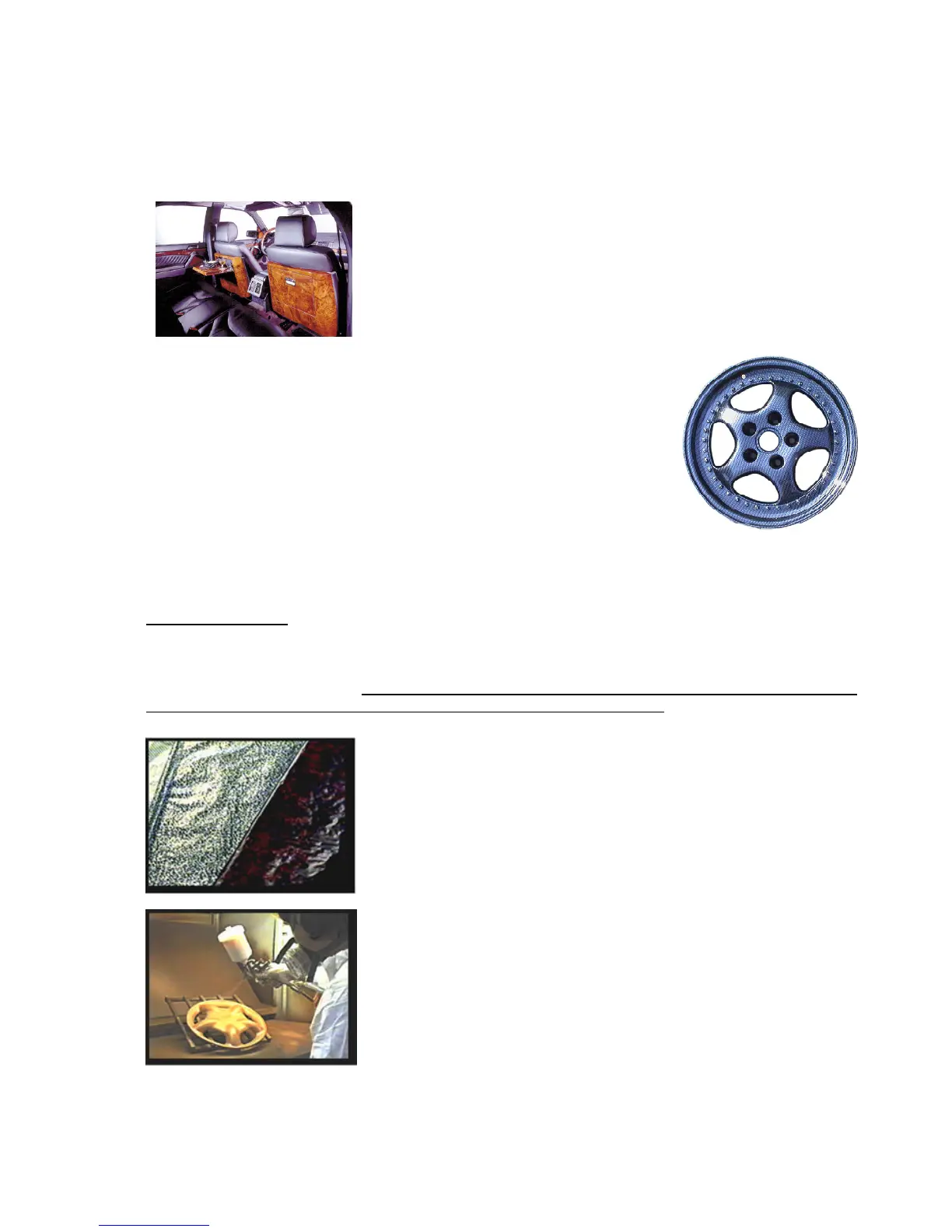
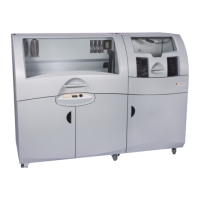
Part preparation: Print the chosen part using any Z Corporation plaster series powder. The part should be
infiltrated with cyanoacrylate or epoxy resin. Sand the part prior to dip printing. For an improved finish, the part
can be sprayed with a spray-filler (such as Plasti-kote Sandable Primer or Spraila AutoK) and sanded again.
Make sure to remove any dust. NOTE: Many service bureaus capable of water transfer printing will take an
infiltrated part and do all of the sanding and finishing for you - included in the fee.
Film Printing: The decor or pattern is printed on a special, high-molecular,
water-soluble film. Any image can be printed. Common images include
realistic wood grains, carbon fiber patterns, metals and metalics, stone,
camouflage and decorative images.
Priming: Z Corp. parts should be primed and painted in a base color (e.g.
brown for parts which are to be printed in a wood grain decor).


 To Next Page