,=
SECTION 8 CESSNA
,-
HANDLING, SERVICE, AND MAINTENANCEMODEL 2088
(675
SHP)
PAINTED SURFACES
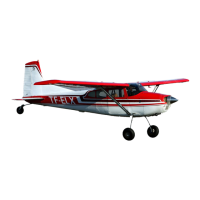
The painted exterior surfaces of your new Cessna have a durable, long
lasting finish. Approximately 10 days are required for the paint to cure
completely; in most cases, the curing period will have been completed
prior to delivery of the airplane. In the event that polishing or buffing is
required within the curing period, it is recommended that the work be
done by someone experienced in handling uncured paint. Any Cessna
Service Station can accomplish this work.
Generally, the painted surfaces can be kept bright by washing with
water and mild soap, followed by a rinse with water and drying with
cloths or a chamois. Harsh or abrasive soaps or detergents which
cause corrosion or scratches should never be used. Remove stubborn
oil and grease with a
clotn mo stened w.tn Stoddard solvent.
To seal any minor surface chips or scratches and protect against
corrosion, the airplane should be waxed regularly with a good
automotive wax applied in accordance with the manufacturer's
instructions.
If the airplane is operated in a seacoast or other salt water
environment, it must be washed and waxed more frequenrly to assure
adequate protection. Special care should be taken to seal around rivet
heads and skin laps, which are the areas most susceptible to corrosion.
A heavier coating of wax on the leading edges of the wings and tail and
on the cowl nose cap and propeller spinner will help reduce the
abrasion encountered in these areas. Reapplication of wax will
generally be necessary after cleaning with soap solutions or after
chemical deicing operations.
When rhe airplane s parked
outs.de in cold cl~mares and it .s necessary
to remove ice before
fl
qhr, care should be taken to protect tne painted
surfaces during ice
removal with chemcal liquids. lsopropyl alcohol will
satisfactorily remove ice accumulations without damaging the painr
However. deep rhe isopropyl alcohol away from the windshield and
cabin w noows since it will attack rhe
plast~c and may cause it to craze.
STABILIZER ABRASION BOOT CARE
If the airplane is equipped with stabilizer abrasion boots, keep them
clean and free from oil and grease which can swell the rubber. Wash
them with mild soap and water, using Form Tech AC cleaner or naphtha
to remove stubborn grease. Do not scrub the boots, and be sure to
wipe off all solvent before it dries. Boots with loosened edges or small
tears should be repaired. Your Cessna Service Station has the proper
material and knowledge how to do this correctly.
1
8-44
U.S.
Revision
23



 To Next Page