Page 40
DESCRIPTION AND OPERATION
PowerLeash™ Engine Brake
The engine is equipped with a PowerLeash™
system to assist in slowing the vehicle when
necessary. The system includes special:
앫 Wiring harness
앫 Camshaft
앫 Oil control valve
앫 Exhaust rocker arms
앫 Exhaust valve yokes (bridges)
There are two small lobes on the exhaust cams in
addition to the regular lobe. Their locations are
timed to open the exhaust valves at the end of the
induction stroke and immediately before TDC on
the compression stroke.
The exhaust rocker arms are sturdier than
standard and are equipped with a blade spring
which keeps the exhaust rockers in contact with
the valve yokes.
28
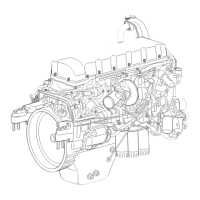
Figure 28 — PowerLeash™ Oil Control Valve
PowerLeash™ operation depends on all of the
following conditions which must exist
simultaneously.
앫 Accelerator pedal released
앫 Engine speed above 1100 rpm
앫 Clutch pedal released
앫 Road speed above 5 km/h (3.1 mph)
앫 ABS inactive
앫 Transmission in gear
앫 Oil temperature above 55°C (131°F)
앫 Charge air pressure above 50 kPa (7.25 psi)
On the cylinder head at rear, the oil control valve
connects the oil passages in the head and rocker
shaft. The oil pump produces constant pressure
at this junction. While the accelerator pedal is
depressed, the control valve reduces the oil
pressure in the rocker shaft to a minimum.
A switch on the instrument panel allows the driver
to engage or disengage PowerLeash™. When
the accelerator pedal is released (and the
PowerLeash™ switch is ON), the solenoid opens
allowing some oil to escape through a small port.
Reduced spring resistance moves the piston,
opens the passage to the rocker shaft and
increases the oil pressure. The system opens the
exhaust valve during induction and again
immediately before TDC on the compression
stroke.
The engine slows because the extra volume
under compression takes more power to
compress, and escaping pressure in the
combustion stroke reduces the power output.
If the ABS system becomes active, it
automatically disables PowerLeash™. If the oil
temperature goes below 55°C (131°F),
PowerLeash™ cannot be activated. A warning
lamp on the instrument panel flashes if the driver
attempts to activate it under this condition.
An oil port located in the rear on the right side of
the cylinder head and above the EGR valve
allows access to the oil passageway. The plug
can be removed and a gauge and hose assembly
inserted for use during diagnostic procedures.
1. Solenoid Control Valve
2. Mounting Plate Attaching
Screws
3. Mounting Plate
4. Oil Seal
5. Oil Tube
6. Valve Attaching Screws


 To Next Page