258 Gateway and Gateway 4 Manual v1.2
© Tieline Research Pty. Ltd. 2021
24.11
Enabling Relays & RS232 Data
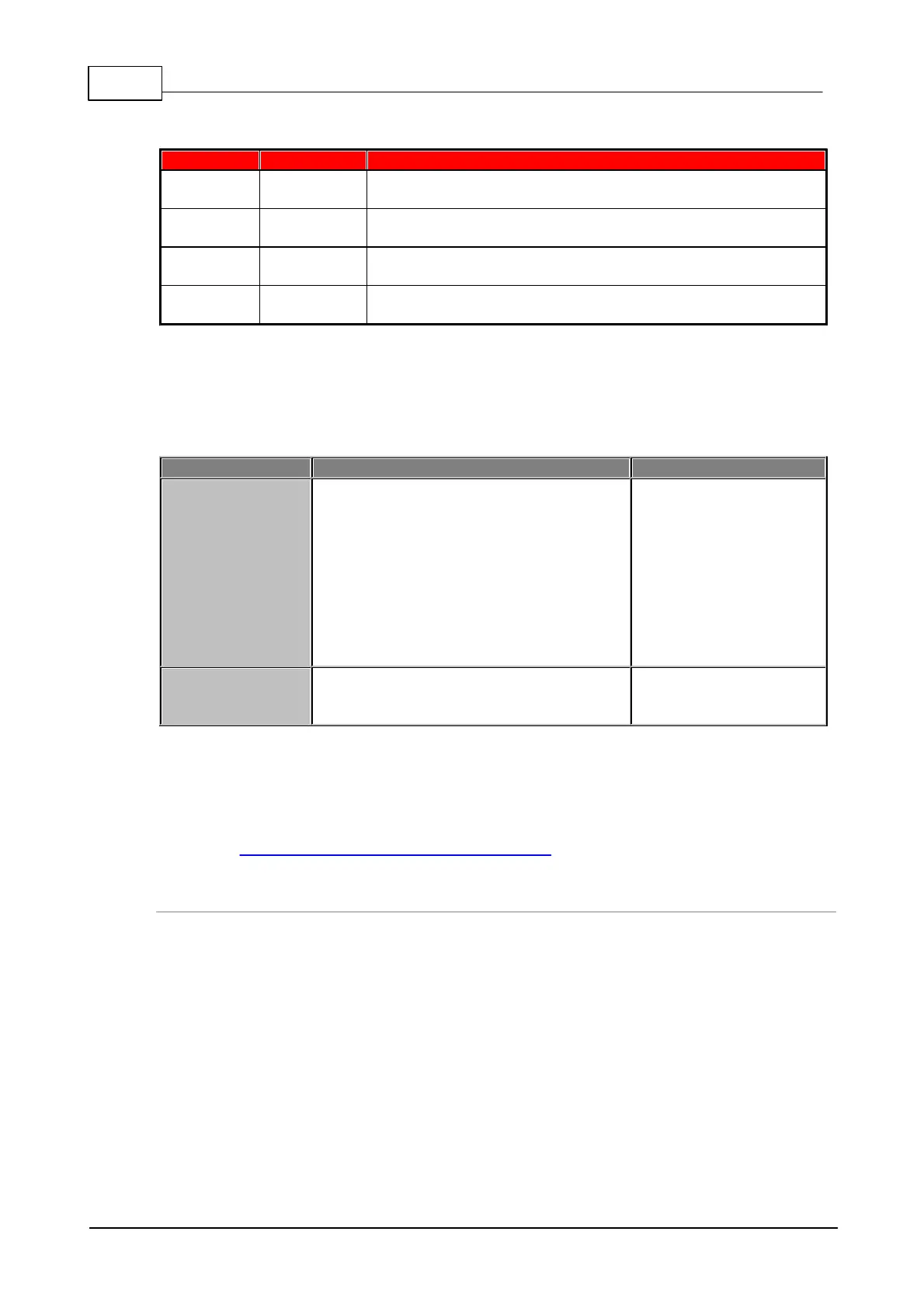
Supports 8 control port inputs and 8 opto-isolated outputs via a
single DB25 CONTROL PORT I/O connectors
3 virtual inputs, 56 logical outputs, and 64 WheatNet Logic
Inputs/Outputs
Supports 16 control port inputs and 16 opto-isolated outputs via
dual DB25 CONTROL PORT I/O connectors
3 virtual inputs, 48 logical outputs, and 64 WheatNet Logic
Inputs/Outputs
Data must be enabled to activate contact CONTROL PORT closure operation and RS232 data. The
codec supports both in-band and out-of-band data depending on the connection transport and
algorithm you are using. In-band RPTP data is automatically included within an audio stream when
using Tieline Music and Music PLUS algorithms over any transport. Over IP it is also possible to
enable synchronized out-of-band data in separate packets using any algorithm.
Tieline Music and
MusicPLUS
· In-band RPTP data is enabled
automatically
· Synchronized out-of-band data can be
enabled and disabled as required
· Using out-of-band data with rules between
G5 codecs employing relay reflection
minimizes latency
· These algorithms must be used when
connected to G3 codecs as they don't
support out-of-band data
· In-band RPTP data is
enabled automatically
and used for all rules
including relay reflection
· No in-band data available; synchronized
out-of-band data can be enabled and
disabled
· No in-band or out-of-band
data available
Select Enable Auxiliary Data when creating a program in the Program Manager panel or
Connections panel to enable out-of-band RS232 data and activate rules employing relay reflection
over a connection. This will allow the codec to connect to external devices and send RS232-
compatible data via the serial port on the rear panel.
Please see Appendix A for RS232 and Control Port Wiring information.
Configuring Control Port Contact Closure Operation
The Rules panel in the Web-GUI can be used to configure switch inputs and relay outputs. Codec
'rules' configure events based on specific codec actions. Typically rules are based on a change in
the state of a physical GPIO control port, or a Tieline or WheatNet-IP logic IO, or a codec program
being connected or disconnected. Rules can only be created with the Web-GUI while the codec is
disconnected. There are three ways to create rules in the HTML5 Toolbox Web-GUI:
1. Rules panel: Configure codec level rules related to programs and/or hardware and software
I/O states.
2. Program Manager panel: Configure program level rules early in the Program Manager
panel wizard.
3. Program Manager panel: Configure stream level rules for each audio stream as you
proceed through the Program Manager panel wizard.


 To Next Page