Date Code 20080110 Protection Functions 3-39
SEL-387E Instruction Manual
50Qn2 and 50Nn2 – Sequence Instantaneous Element Logic
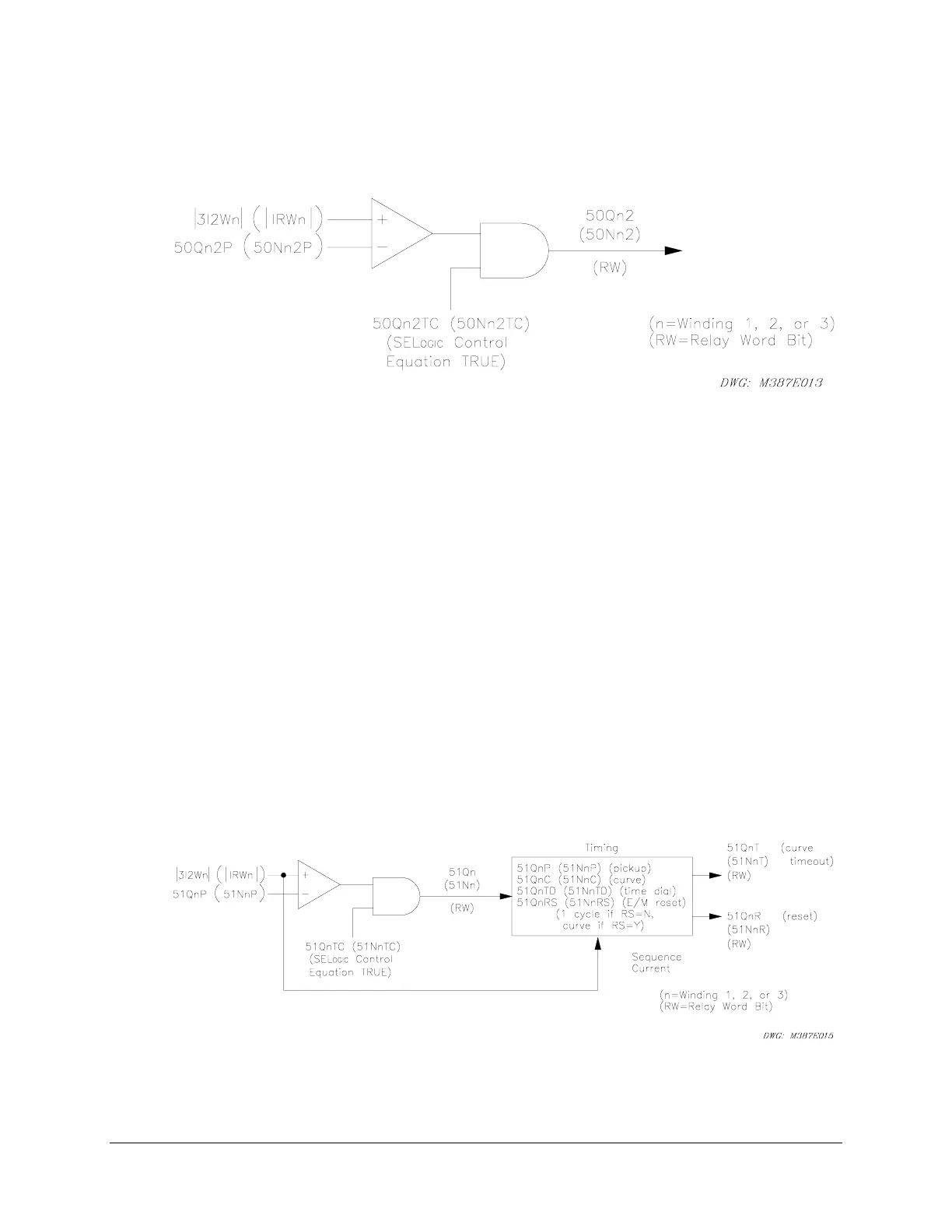
Figure 3.20 shows the logic for the instantaneous 50Q
n
2 negative-sequence element and the
instantaneous 50N
n
2 residual element
Figure 3.20: 50Qn2 and 50Nn2 Sequence Instantaneous O/C Element, Torque Controlled
50Qn2 Negative-Sequence Instantaneous Element
The 50Q
n
2 element compares the magnitude of the calculated negative-sequence current, 3I2W
n
,
to the pickup setting, 50Q
n
2P. If the calculated negative-sequence current exceeds the pickup
level, a logical 1 asserts at one input to the AND gate. The torque-control SEL
OGIC
control
equation, 50Q
n
2TC, determines the other AND input. If 50Q
n
2TC is true, Relay Word bit
50Q
n
2 asserts.
50Nn2 Residual Instantaneous Element
The 50N
n
2 element compares the magnitude of the calculated residual current, IRW
n
, to the
pickup setting, 50N
n
2P. If the calculated residual current exceeds the pickup level, a logical 1
asserts at one input to the AND gate. The torque-control SEL
OGIC
control equation, 50N
n
2TC,
determines the other AND input. If 50N
n
2TC is true, Relay Word bit 50N
n
2 asserts.
51Qn and 51Nn – Sequence Inverse-Time Elements
Figure 3.21 shows the logic for the inverse-time 51Q
n
negative-sequence element and the
instantaneous 51N
n
residual element.
Figure 3.21: 51Qn and 51Nn Sequence Inverse-Time O/C Element, Torque Controlled


 To Next Page