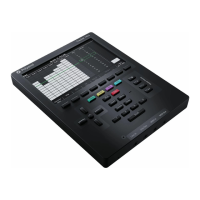
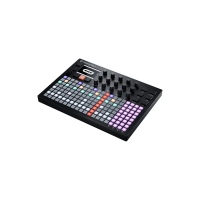
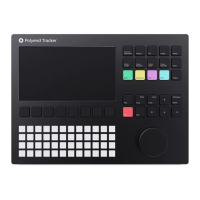
Make no mistake, Tracker is a unique yet
comprehensive device. There are so many
features that are less obvious to producers
more familiar with more traditional sequencers
and DAW’s. The overall structure of Tracker
can seem at rst glance, confusing. However
spending a little time to understand the overall
architecture and its terminology will set a good
starting foundation. For this reason there are
no apologies for taking time to get intimate with
the architecture of the overall device and
bringing this summary upfront in this guide.
Getting a solid understanding and awareness
of the Tracker’s structure will help enormously
in getting to grips later with the rest of the
device. The three basic elements needed is
Tracker itself (of course), a USB power source
(Power-pack or mains adapter) and the
correctly congured Micro SD Card which is
integral to Trackers operation. While more in
depth details for specic topics are covered in
the following sections of this notebook, the
overall foundation and structure is laid out in this
section. The hierarchical structure and
organisation of data and functions such as
Projects, Patterns and Steps are summarised
collectively and how they work together. It is
therefore worth the investment of time and focus
in understanding the architectural hierarchy.
Developing a fundamental workow and efcient
process will help get the most out of Trackers
features.
Architecture
19
Polyend Tracker Manual
18
Polyend Tracker Manual
NOTES
2


 To Next Page