Date Code 20010731 Close Logic 4-5
SEL-352-1, -2 Instruction Manual
+
_
+
_
+
X59LA
V59LA
(CYCLES)
(CYCLES)
0
4
0
7
–59L
59L
–
+
R
S
Q
From B-Phase
From C-Phase
1
12
(CYCLES)
R
S
Q
R
S
Q
R
S
Q
R
S
Q
CCA
To B-Phase, C-Phase
XNTA
XPTA
YNTA
YPTA
Filtered VAX
Filtered VAY
Instantaneous VAX
Instantaneous VAX
TRIPA
MDWG3520010
_
+
59L
_
+
59L
TCD
_
+
_
+
å
1 Cycle
–27D
27D
_
+
_
+
å
1 Cycle
–27D
27D
Raw VAY
Raw VAX
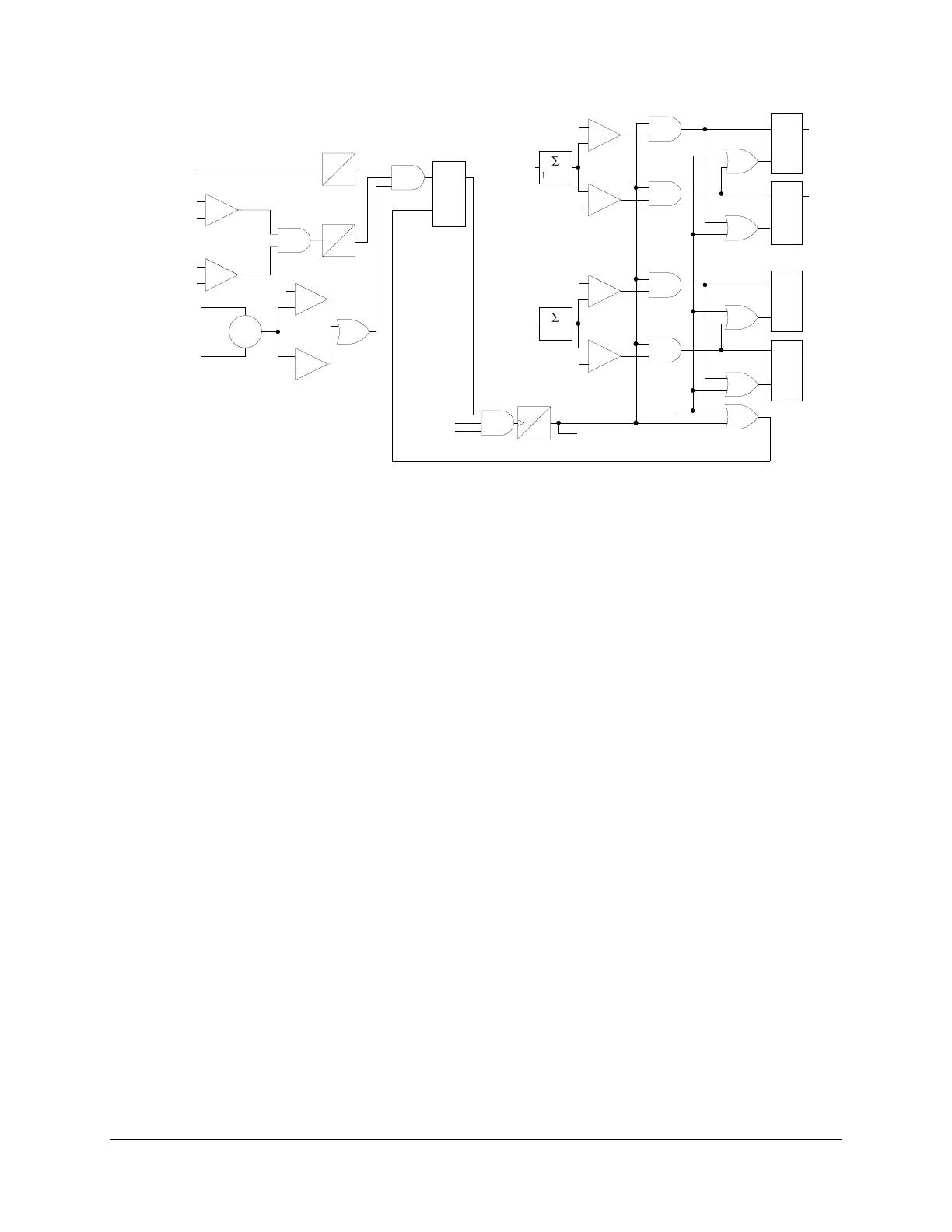
Figure 4.6: Trapped Charge Detection Logic, A-Phase
After a breaker opens, some voltage may still exist on the de-energized equipment. When the
breaker closes again, the system voltage may be 180° out of phase from the trapped charge. If
the trapped charge is a positive 1 pu and the breaker closes at a negative peak, there will be 2 pu
across the breaker poles as the breaker closes. Closing at a positive peak minimizes the voltage
across the breaker. The SEL-352 Relay detects the trapped charge polarity and closes the
breaker accordingly.
Use the trapped charge detection for closing at voltage peaks for breakers with close time
variations less than or equal to 4 ms. If a breaker has an expected variation of 4 ms and it
operates at the edge of its error band, the breaker will close at a zero crossing instead of a peak.
The voltage difference across the breaker will be equivalent to the amount of trapped charge.
This closing scenario is still more desirable than random closing.
If the relay detects a positive trapped charge on one of the phases, it asserts the XPT (X-side,
positive trapped charge) Relay Word bit for that phase for the X side and YPT bit for the Y side.
If the relay detects a negative trapped charge, it asserts the XNT bit for that phase for the X side
and YNT bit for the Y side. The point-on-wave controlled close logic shown in Figure 4.8 uses
these Relay Word bits.
If the trapped charge detection logic detects no trapped charge, the SEL-352 Relay Default
Scheme 2 controlled close logic will close the breaker at a negative going zero crossing. A
closing at a zero crossing minimizes the likelihood of pre-strike, reducing breaker wear.
Zero Crossing Detection
Use the zero-crossing closing for breakers with close time variations less than or equal to 2 ms.
If a breaker has an expected variation of 2 ms, and it operates at the edge of its error band, the
breaker will close at 0.7 pu instead of at zero. The voltage difference across the breaker will


 To Next Page