4-6 Close Logic Date Code 20010731
SEL-352-1, -2 Instruction Manual
vary randomly between 0.7 pu and 0. This closing scenario is still more desirable than random
closing, which could produce as much as 1-pu voltage difference.
Some applications have a higher 27D setting to indicate a dead line. Dead-line indication is
desired even if the coupled or resonating voltage is high. The trapped charge detection logic will
detect the voltage and recognize that it is ac and not trapped charge. Closing the breaker at a
zero crossing is the most desirable for this case.
The logic determines the existence of trapped charge and the charge polarity by taking a one-
cycle average of the measured voltages as the breaker poles open. If the measured values are
sinusoidal, the average is zero. The measured average is compared to the 27D setting. A
measured average larger than the 27D setting indicates positive trapped charge. An average less
than the negative of the 27D setting indicates negative trapped charge.
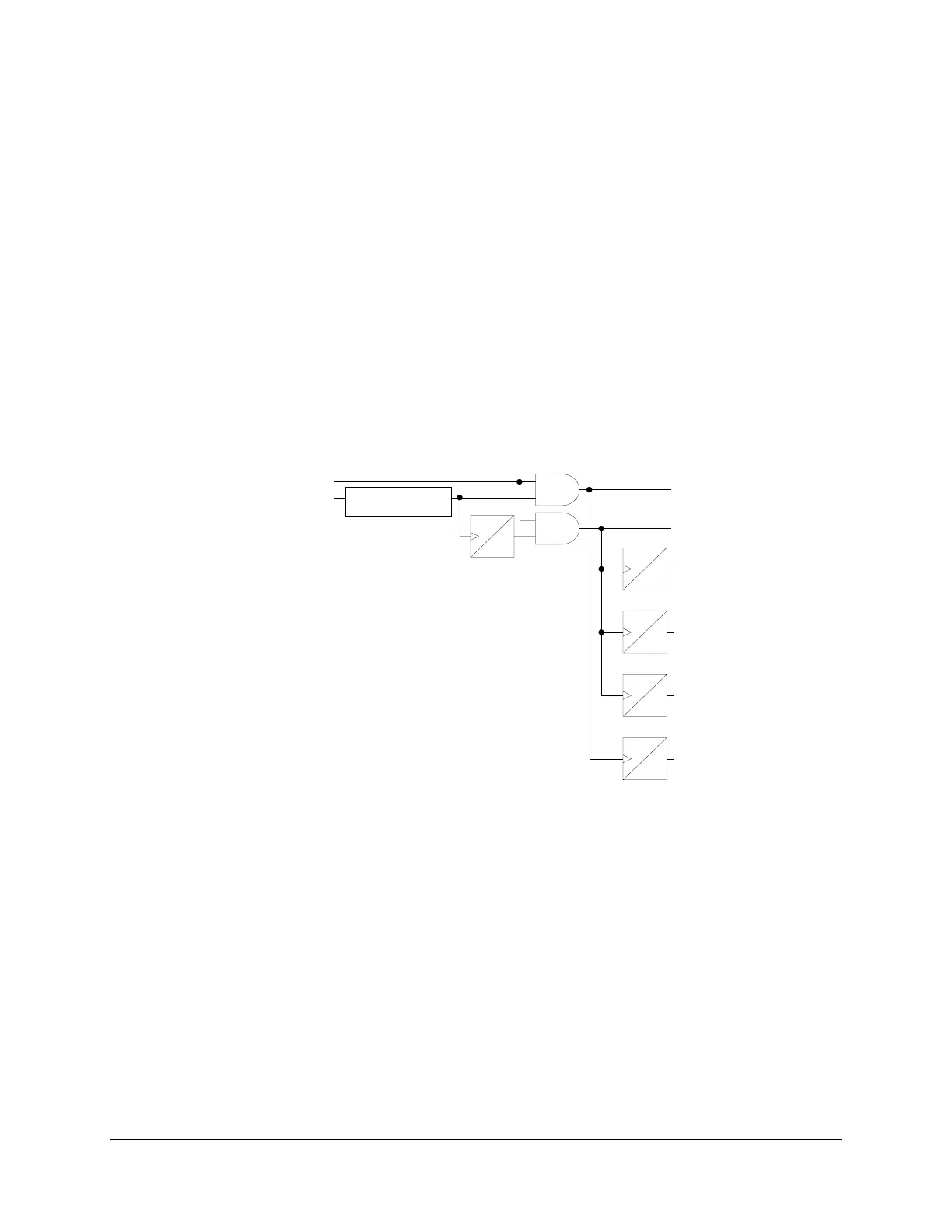
Figure 4.7 shows the X-side voltage zero-crossing detector logic. The Y-side logic is similar.
The logic determines whether there is a positive- or negative-going zero crossing. Outputs of
this logic are used in the controlled closed output timer logic shown in Figure 4.9. These outputs
trigger the ZCN, ZCP, PCN, and PCP timers, synchronizing them with the power system.
0.33
cyc
0
0.33
cyc
0
0.67
cyc
0
0.67
cyc
0
Positive going zero
crossing detector
X59L3
VAX
XZPA
XZPB
XZNB
XZPC
XZNC
MDWG3520012
62XZPB
0.5
cyc
0
XZNA
62XZNB
62XZPC
62XZNC
Figure 4.7: Voltage Zero-Crossing Detection Logic, X-Side
Controlled Close Logic
The outputs from this logic initiate the controlled closing timers. This logic combines the
outputs of the X- and Y-side trapped charge logic with CLOSE and MCLOSE.


 To Next Page