Axio Imager 2 OPERATION ZEISS
Illumination and contrast methods
01/2016 430000-7544-001 165
• Reinsert the eyepiece in the tube.
• If the height of the dark-field condenser is set
correctly and sensitively, it is possible to reduce
any residual brightening in the field of view,
and the luminous-field diaphragm image is
almost perfectly in focus.
• Finally, match the size of the luminous-field
diaphragm to that of the field of view.
Darkfield microscopy requires specimens to be considerably cleaner than in other techniques.
Fingerprints, dirt or
dust particles, in particular, have negative effects, since they brighten the
background of the field of view and decrease the contrast of the object image.
(4) Use of the achromatic-aplanatic universal condenser 0.9 H/0.8-0.9 DF
The achromatic-aplanatic universal condenser 0.9 H/0.8-0.9 DF (Fig. 194/1) is equipped with a front lens
for brightfield (Fig. 194/3) and for darkfield (Fig. 194/2), as well as with an aperture diaphragm
(Fig. 194/6). For brightfield applications, refer to Section 4.12.1.
The conditions for using the universal condenser in combination with individual objectives are given in
the table below.
Magnification Brightfield applications Darkfield applications
2.5x … 5x Without brightfield front lens H Without darkfield front lens D,
with wide-field DF slider for 2.5x-5x
10x … 40x With brightfield front lens H With darkfield front lens D
40 x … 100x With brightfield front lens H With darkfield front lens D,
with darkfield attachment 1.2-1.4 Oil,
Objective with adjustable iris stop
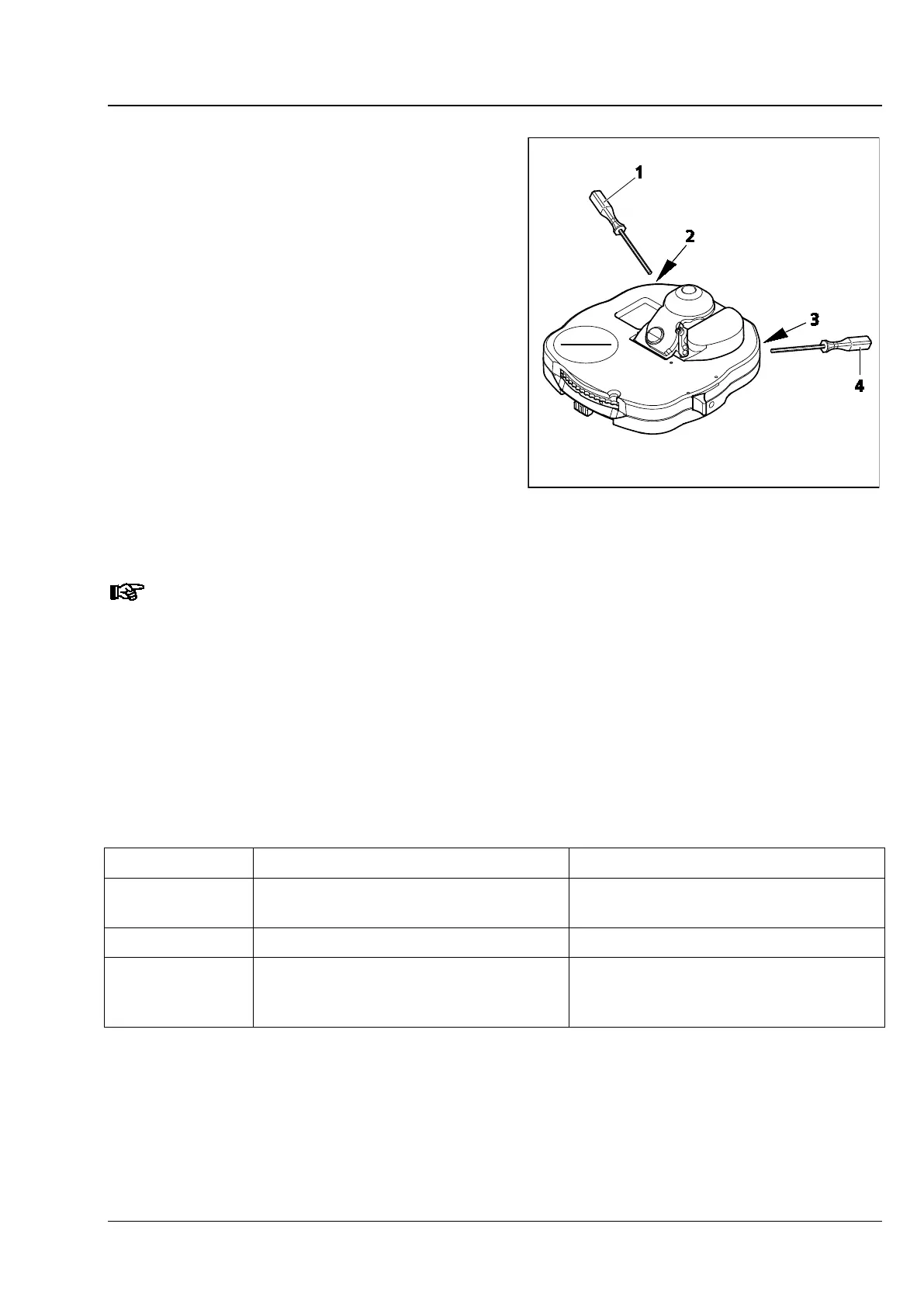
Fig. 193 Centering the darkfield aperture on
the universal condenser



 To Next Page