EasyManua.ls Logo

Chery A113 - User Manual

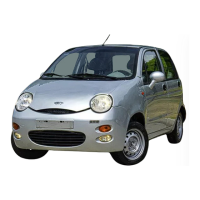
Chery A113
281 pages
Print Icon
To Next Page IconTo Next Page
Loading...
Maintenance Manual of Chery A113
(Chassis)
Chery Automobile Co., Ltd

Table of Contents

Questions and Answers

  • S
    Stacy CastilloAug 1, 2025
    What to do if the high and low pressure sides are too high and the Chery A113 compressor makes exceptional sounds?
    • K
      Kristin GibsonAug 1, 2025
      If the high pressure side is higher than specified and the low pressure side is also too high, with the air conditioner refrigerating and the compressor making unusual noises, it could be due to excessive refrigerant, a failing expansion valve, or a disabled compressor. First, evacuate some refrigerant. If the refrigerant volume seems normal, replace the expansion valve, refill the system, and retest the pressure. If the refrigerant was obviously excessive, refill to the correct amount and retest. If issues persist, replace the expansion valve, dredge the pipelines, and consider replacing the compressor and fluid reservoir.
  • J
    Jeffrey MckinneyAug 5, 2025
    Why is the high pressure side high and the low pressure side low in my Chery Automobile air conditioner?
    • A
      Adrian SmithAug 5, 2025
      If the high pressure side is too high and the low pressure side drops rapidly while the air conditioner is refrigerating, it indicates a blockage or throttling in the refrigerant pipelines or a failing expansion valve. Check the temperature of the pipelines to identify any temperature differences. If you find temperature differences on components, dredge the pipe with compressed air and nitrogen, and replace the expansion valve. Also, replace any blocked parts. If you don't find any trouble, dredge the pipelines with compressed air and nitrogen and then test the pressure again.
  • D
    David DavisAug 11, 2025
    What to do if the high pressure side is correct, but the low pressure side is too low in my Chery A113?
    • P
      Paul FosterAug 11, 2025
      If the high pressure side is correct but the low pressure side is too low, the AC is refrigerating correctly, and the evaporator sometimes has ice, the expansion valve may be failing or the compressor may be disabled. Replace the expansion valve, refill the refrigerant, and test the pressure again. If the system is still not normal after retesting, replace the expansion valve again, dredge the pipelines with compressed air and nitrogen, and then consider replacing the compressor and the fluid reservoir and drying chamber.
  • J
    Julia HowellAug 16, 2025
    Why does the high pressure side increase over time in my Chery A113 air conditioner?
    • J
      Jonathan PriceAug 16, 2025
      If the high and low pressure sides are initially normal, but the high pressure side later becomes too high while the low pressure side remains within range, and the air conditioner is refrigerating, the expansion valve may be failing or there might be vapor in the refrigerant pipelines. Check the expansion valve for dirt or rust and replace it if necessary. Also, dredge the pipelines with compressed air and nitrogen.
  • J
    Jacob WilsonAug 20, 2025
    What to do if the high pressure side doesn't change and the low pressure side is normal in my Chery A113 Automobile?
    • S
      sanchezstephanieAug 21, 2025
      If the high pressure remains unchanged or slightly rises, the low pressure is within range, and the air conditioner is refrigerating, suspect a lack of refrigerant or a failing expansion valve. Evacuate the refrigerant. If the refrigerant volume is normal, replace the expansion valve, refill the refrigerant, and retest the pressure. If the refrigerant volume is low, check for leaks, fix them, refill the system, and retest.
  • J
    Joseph LopezAug 26, 2025
    How to fix Chery A113 reservoir?
    • A
      allenbrandonAug 26, 2025
      The reservoir cannot be used, so it must be replaced.

Summary

Chapter 1 Brake System

I. System Checking Parameters

Parameters for checking brake system components like discs, thickness, and run-out.

II. Removal;Installation and Overhaul of Front Brake and Brake Calliper

Procedure for removing, installing, and overhauling the front brake and caliper assembly.

III. Removal;Installation and Overhaul of Rear Brake

Steps for removing, installing, and overhauling the rear brake system components.

IV. Adjustment and Replacement of Handbrake

Instructions for adjusting and replacing the handbrake system components.

Chapter 2 Adjustment of Suspension System and Four-Wheel Alignment

I. Removal;Installation and Overhaul of Front Axle and Suspension

Procedures for removing, installing, and overhauling front axle and suspension components.

II. Removal;Installation and Overhaul of Rear Axle and Suspension

Steps for removing, installing, and overhauling rear axle and suspension components.

III. Adjustment of Four-Wheel Alignment

Detailed steps for adjusting front and rear wheel alignment parameters.

IV. Tire Installation and Air Pressure Adjustment

Procedures for installing tires and adjusting air pressure to specified levels.

Chapter 3 Removal;Installation and Overhaul of Steering System

I. Removal;Installation of Steering Gear

Steps for removing and installing the steering gear assembly.

II. Removal;Installation of Steering Column

Procedures for removing and installing the steering column assembly.

III. Adjustment of Steering Gear Clearance

Method for adjusting the clearance of the steering gear.

IV. Adjustment of Power Steering System

Procedure for adjusting the power steering system, including fluid and belt.

Chapter I Front Hood & Trunk

3. Removal and Installation of Front Hood Accessories

Steps for removing and installing accessories attached to the front hood.

4. Removal & Adjustment of of Front Hood Assembly

Procedure for removing and adjusting the front hood assembly.

5. Removal and Installation of Air Inlet Grid Assembly

Steps for removing and installing the air inlet grid assembly.

II. Removal of Rear Trunk Cover

3. Removal and Installation of Trunk Lock

Procedure for removing and installing the trunk lock assembly.

4. Removal of Trunk Lock Cylinder

Steps for removing the trunk lock cylinder.

5. Removal of Rear Wiper Nozzle

5.1. Removal Steps

Detailed steps for removing the rear wiper nozzle.

6. Removal of Rear Wiper Motor

Steps for removing the rear wiper motor.

Chapter II Removal of Trims

I. Removal and Installation of Seat belts

Steps for removing and installing seat belts.

II. Removal and Installation of Seats

Steps for removing and installing vehicle seats.

III. Removal and Installation of auxiliary Instrument Panel

III. Removal and Installation of auxiliary Instrument Panel

Steps for removing and installing the auxiliary instrument panel.

IV. Removal and Installation of Vehicle Carpet

Steps for removing and installing the vehicle carpet.

Chapter III Removal & Maintenance of Vehicle Doors

I. Removal, Installation & Maintenance of Front Doors

Procedures for removing, installing, and maintaining front vehicle doors.

II. Removal & Installation of Rear Doors

Procedures for removing and installing rear vehicle doors.

Chapter IV Removal, Installation & Maintenance of Front;Rear Bumper

I. Removal, Installation & Maintenance of Front Bumper

Procedures for removing, installing, and maintaining the front bumper.

II. Removal, Installation & Maintenance of Rear Bumper

Steps for removing, installing, and maintaining the rear bumper.

Chapter V Removal and Installation of Headlights, Fog Lights & Tail Lights

3. Removal Steps of Headlights

Detailed steps for removing the headlight assemblies.

4. Removal of Front Fog Lights

Steps for removing the front fog lights.

5. Removal of Tail Lights

Procedures for removing the tail light assemblies.

Chapter VI Removal and Installtion of Vehicle Ceiling

3. Removal and Installation of Sun Visor

Steps for removing and installing the sun visor.

5. Removal and Installation of Front Ceiling light

Steps for removing and installing the front ceiling light.

10. Removal and Installation of Vehicle Ceiling

Procedures for removing and installing the vehicle ceiling.

Chapter VII Removal and Installation of Instrument Panel & Instrument Panel Crossbeam

I. Removal of Instrument Panel

Steps for removing the instrument panel assembly.

II. Removal of Instrument Panel crossbeam

Steps for removing the instrument panel crossbeam.

Chapter VIII Air Conditioning System

II. Removal of Evaporator Assembly

Steps for removing the evaporator assembly.

III. Trouble Shooting

Common problems and troubleshooting steps for the AC system.

CHAPTER IX Body Dimension

2. Door panel Maintenance Process

Steps for maintaining and appraising damage to door panels.

4. Basic Methods for Door Panel Maintenance

Techniques for repairing dents, wrinkles, and other door panel damages.

Chapter X Harness

Section I Battery Negative Harness

Harness sketch and connector instructions for the battery negative harness.

Section II Front Compartment Harness

Diagram and connector details for the front compartment harness.

Section III Removal and Installation of Electronic Fuel Injection Harness

Diagram and connector details for the EFI harness.

Section IV In-door Harness

Diagram and connector details for the in-door harness.

Section V Removal and Installation of Instrument Panel Harness

I. Harness sketch

Diagram of the instrument panel harness layout.

III. Removal and Installation of Instrument Panel Harness

Steps for removing and installing the instrument panel harness.

Section VI Left-front Door Harness

I. Harness Sketch

Diagram of the left-front door harness layout.

III. Removal and Installation of Left-front door in-door harness

Steps for removing and installing the left-front door in-door harness.

Section VII Right-front Door Harness

I. Harness Sketch

Diagram of the right-front door harness layout.

III. Removal and Installation of Right-front Door In-door Harness

Steps for removing and installing the right-front door in-door harness.

Section VIII Rear Door Harness

I. Harness Sketch

Diagram of the rear door harness layout.

III. Removal and Installation of Right-rear Door In-door Harness

Steps for removing and installing the right-rear door in-door harness.

Section IX Tail Door Harness

I. Harness Sketch

Diagram of the tail door harness layout.

III. Removal and Installation of Tail Door In-door harness

Steps for removing and installing the tail door in-door harness.

Section X Defroster Harness

I. Harness Sketch

Diagram of the defroster harness layout.

III. Removal and Installation of Rear Defroster Harness

Steps for removing and installing the rear defroster harness.

Chapter 1 Illustration Instruction

I. Definition of Main Harness Inserters

Definition and pin layout of main harness connectors.

V. Fuse Definition

Definition and numbering of fuses used in the system.

Chapter 2 Circuit Control Theory Diagram

II. ABS Control System

Circuit diagram and theory for the Anti-lock Brake System.

VII. A;C, Defroster System

Circuit diagram and theory for the AC and defroster systems.

XIII. BCM System

Circuit diagram for the Body Control Module system.

XV. 473 Engine and Liandian Electric Injection System

Circuit diagram for the 473 engine and electric injection system.

I. Product Instruction

1. ABS Overview

Overview of the Anti-lock Brake System, including its functions and benefits.

1.1 System Function

Explains the system functions of ABS: stability, steering, and braking distance.

2. System Structure

3. System Functioning Theory

3.1 ABS Control Theory

Explains the theoretical principles behind ABS control.

3.2 ABS Control Mode

Describes the different operating modes of the ABS control system.

II. Removal and Installation

3. HECU Replacement

Procedure for replacing the Hydraulic Electronic Control Unit (HECU).

III. Trouble Diagnosis and Troubleshooting

2. Common Trouble Diagnosis and Troubleshooting of MGH-25 ABS

Troubleshooting common issues with the MGH-25 ABS system.

2.3 Trouble Code Readout and Deletion without Trouble Diagnosis Instrument

Procedure for reading and deleting trouble codes without diagnostic tools.

2.4 Trouble Checklist of Trouble Code

List of trouble codes and their corresponding causes.

2.5 Trouble Checklist without Trouble Code

Troubleshooting checklist for issues without specific trouble codes.

IV. Air Discharge and Oil Refill

1. Regular Operation Procedure

Standard procedure for air discharge and oil refill.

4. Determination Method for Vehicles with Air Discharge Trouble

Method for determining air discharge troubles in vehicles.

Annex I Malfunction Cases and Incorrect Repair Cases

1. HECU Incorrect Repair Cases

Common incorrect repair cases related to HECU malfunctions.

Annex II ABS Basics

What’s the main objective of ABS?

Defines the primary objectives of the ABS system.

Why is the ABS warming lamp illuminated?

Explains the reasons for the ABS warning lamp illumination.

Annex IV Connector Pin Layout of MGH-25 ABS ECU

Chery A113 Specifications

General IconGeneral
BrandChery
ModelA113
CategoryAutomobile
LanguageEnglish

Related product manuals