L
--
740
--
28
--
E
0
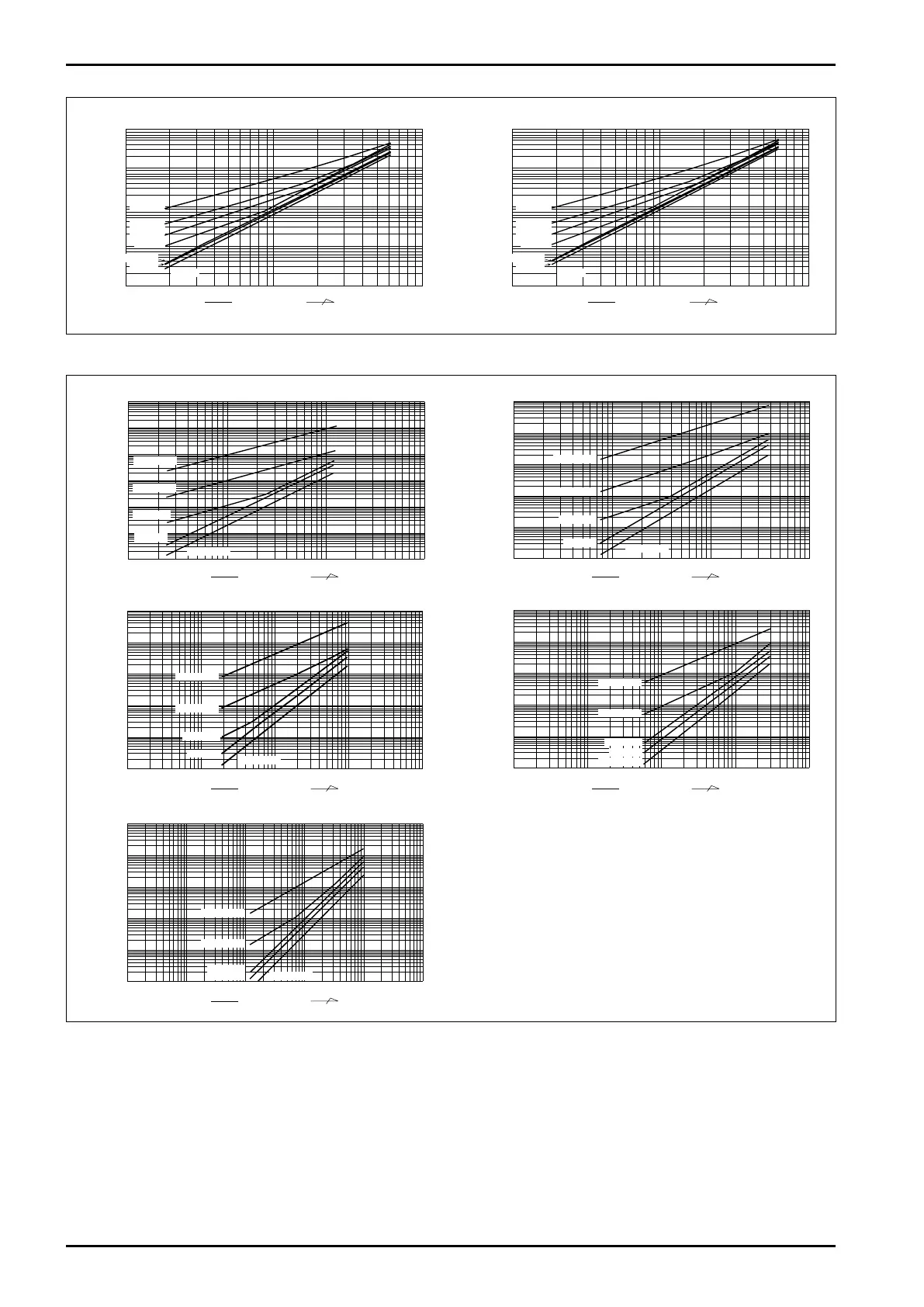
Fig.4.3
4.3 Type B Pressure Losses
CB015
CB025
CB040,CB050
CB006
CB010
10
100
1
0.1
0.01
0.001
0.0001
10010 1000 10000
0.0 1mPa・s
10 0 mPa・s
10 mPa・s
1mPa・s
1000mPa・s
10 100 1000 10000
10
1
0.1
0.01
0.001
0.0001
0.0 1mPa・s
10 0 mPa・s
10 mPa・s
1mPa・s
1000mPa・s
10 100 1000 10000 100000
10
1
0.1
0.01
0.001
0.0001
0.0 1mPa・s
10 0 mPa・s
10 mPa・s
1mPa・s
1000mPa・s
10 100 1000 10000 100000
10
1
0.1
0.01
0.001
0.0001
0.0 1mPa・s
10 0 mPa・s
10 mPa・s
1mPa・s
1000mPa・s
10 100 1000 10000 100000 1000000
10
1
0.1
0.01
0.001
0.0001
0.0 1mPa・s
10 0 mPa・s
10 mPa・s
1mPa・s
1000mPa・s
Pressurelosscoeff.,C
Pressurelosscoeff.,C
Pressurelosscoeff.,CPressurelosscoeff.,C
Pressurelosscoeff.,C
Flowrate(kg/h) Flowrate(kg/h)
Flowrate(kg/h) Flowrate(kg/h)
Flowrate(kg/h)
◎ How to determine pressure loss
(1) Seeing the graph of the type of flowmeter to be
used, find the pressure loss coefficient C from the
flowrate (g/min. or kg/h) and viscosity (mPa・s).
Dividing this value C by specific gravity d (1 for
water) gives the pressure loss, or
where ΔP
2
: Pressure loss of high-viscosity liquid (MPa)
μ
1
: Maximum viscosity shown in the graph (mPa・s)
μ
2
: Viscosity of high-viscosity liquid (mPa・s)
d: Specific gravity of high-viscosity liquid (1 for water)
C: Pressure loss coefficient found from the maximum
viscosity curve at a given flowrate
(g/min. or kg/h)
μ
2
μ
1
1
d
ΔP
2
= C× --- ×---
(2) For high-viscosity liquids not shown in the graphs, calculate
the pressure loss by the following equation:
C
d
ΔP = ---- (MPa)
0.0001
0.001
0.01
0.1
1
1000 10000010000
10 0 mPa・s
5 0 0 mPa・s
2 0 0 mPa・s
10 mPa・s
1mPa・s
5 mP a・s
CS050(Titaniumtubetype)
5 0 mPa・s
0.0001
0.001
0.01
0.1
1
1000 10000010000
10 0 mPa・s
5 0 0 mPa・s
2 0 0 mPa・s
10 mPa・s
1mPa・s
5 mP a・s
CSR50(Titaniumtubetype)
5 0 mPa・s
Pressurelosscoeff.,C
Pressurelosscoeff.,C
Flowrate(kg/h) Flowrate(kg/h)
Fig.4.2.2
※1: Pressure loss is calculated with Newtonian fluid.
For Non-Newtonian fluid, please consult OVAL.
(※1)



 To Next Page