• In case of thunderstorm, risk of lightning exists, so abort working with crane, immediately lower the
load and contain the boom.
• Exposing the hoisted load to wind causes the load to swing and causes the Machine to be unstable,
thus is dangerous. Immediately lower the load and contain the boom when the wind is causing the load
to swing.
• If the maximum instantaneous wind speed is 10 m/s or greater, abort working with crane, immediately
lower the load and contain the boom.
• Even when the maximum instantaneous wind speed is below 10 m/s, the bigger the hoisted load, the
higher the hoisted load position, and the longer the boom, the wind effect increases accordingly. Be
very careful during work.
• When the boom is extended full or nearly full, take notice of that the winch wire ropes and electrical
cable for signals are also effect by the wind. In addition, the wind speed may extremely increase when
it blows through the high-rise buildings. Thus, be very careful when working near high-rise buildings.
• When a load such as a steel plate that has a large area exposed to wind is being hoisted, the wind
arriving from front/rear/side of the boom may cause the Machine to trip or damage the boom. Be very
careful when working.
• In a condition where wind blows to the front face of the boom, the higher the boom is raised, the more
you may run a risk of overturning backward. Be very careful when working in such conditions.
• When an earthquake occurs, abort working and wait until the earthquake is over.
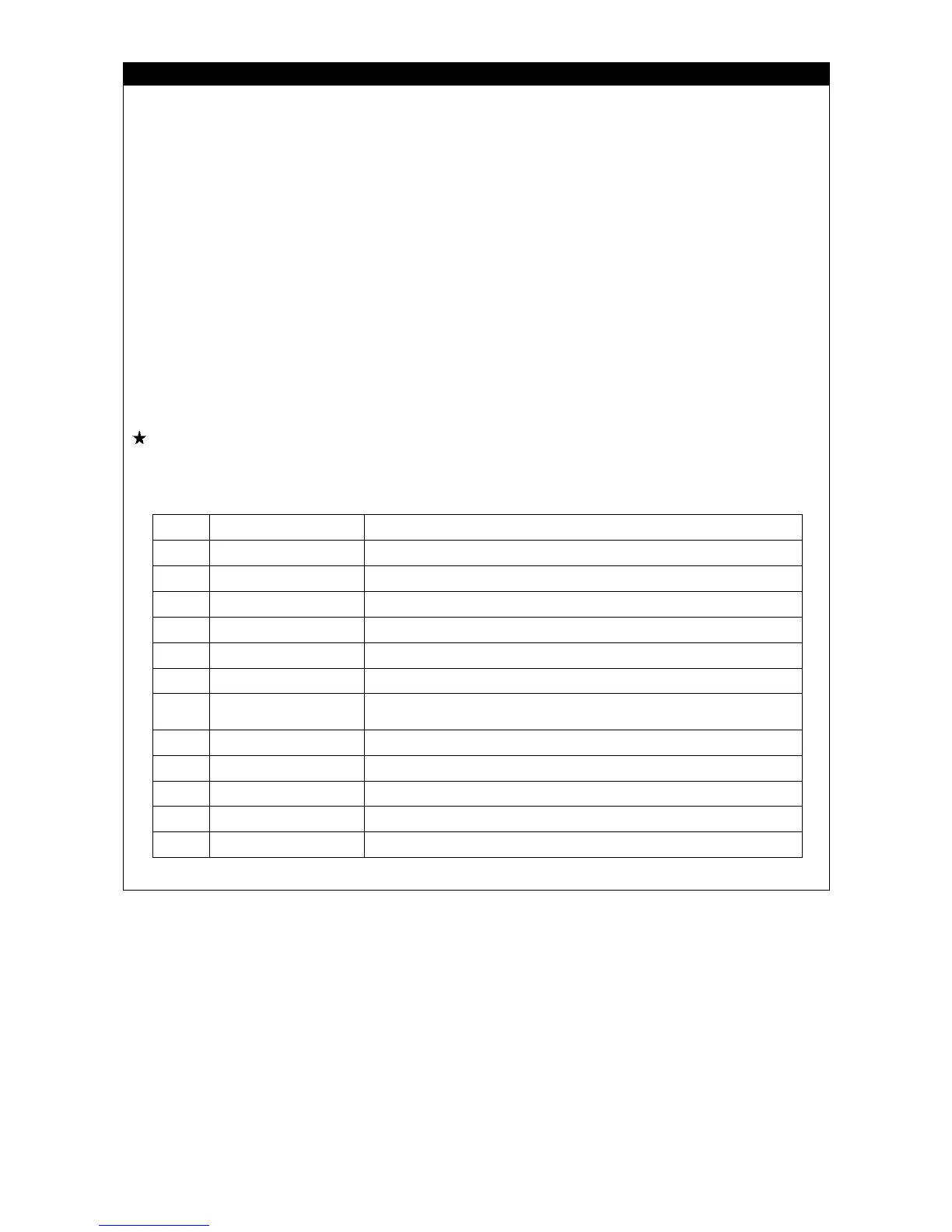
The following table indicates approximate relation between the wind speed and wind effect. The wind
speed mentioned in the weathercast is mean wind velocity (m/s) during 10 m at 10 m above the
ground.



 To Next Page