1250 Frequency Response Analyzer Facilities For More Complex Measurements
CHFR/1250/1 10-5
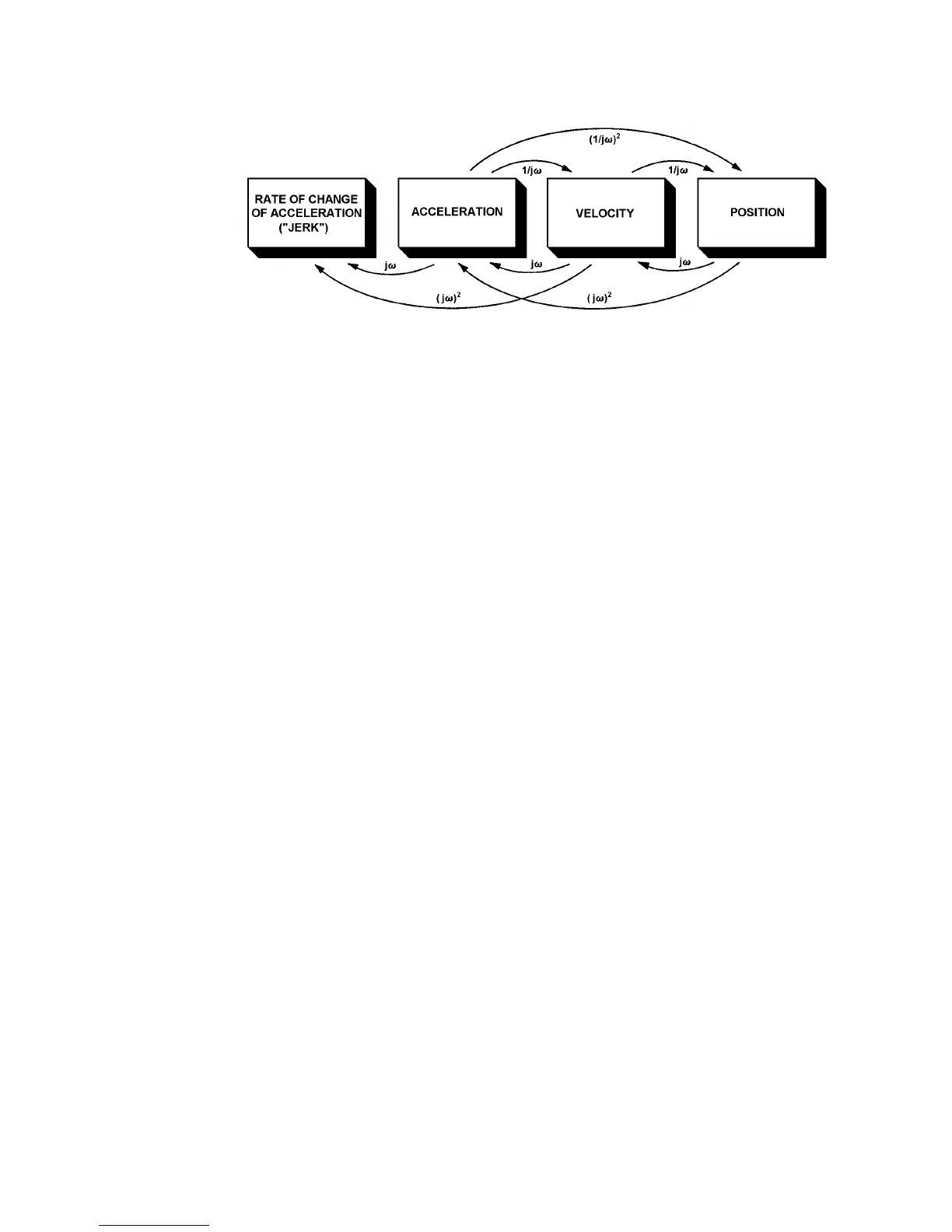
Figure 10.3 - Use ofMultiplication Factors
10.1.4 SCALING
Pressing the SCALE soft key gives the user a choice of three scaling factors whereby
the result of a measurement can be divided by a vector. There is also a default state of
"divide by unity", which is the "off” condition.
The next two choices are:
1. DIVIDE BY [a, b]
2. DIVIDE BY [r, θ ]
3. If either of these is entered, the Display will request further information. For
example, if [a, b] is entered, following an initialisation, the Display will show:
a not entered (+ )V
Enter the required value for "a" in the round brackets; all numerical scaling values can
be up to five digits plus decimal point and exponent. The Display will now show:
b not entered (+ )V
Enter the required value for "b". The Display will revert to show FUNCTION plus the
soft keys.
If [a, b] is now entered again, the current value will have replaced the "not entered"
message e.g.:
a "current value" (+ )V
Similarly, if scaling values had already been entered for a previous measurement, with
no subsequent initialisation, these would have appeared instead of "not entered".
The setting up of [r, θ ] is similar, except that θ is given in degrees.
The third choice is:
DIVIDE BY [last result]. This mode can be used where relative, rather than absolute,
measurements are to be made. A series of results is divided by a selected reference
value which is measured at some point in the sequence, usually at the beginning.
The reference measurement is first completed, and then DIVIDED BY [last result] is
entered. This causes the result of the measurement to be stored, and all subsequent
results will be divided by this value.



 To Next Page