Theory of Operation
The PCR II Plus microprocessor decodes input data it receives from the
host through an interface cable and controls the CRT beam path and
intensity. The CRT can produce up to 256 shades of gray for each of
three primary color recordings — red, green, and blue. This color ad-
ditive process can produce a theoretical total of 16.8 million colors, al-
though the actual number of colors seen is limited by the capabilities
of the film and human eye, as well as other factors.
The microprocessor rotates the filter wheel, controls the camera shut-
ter and advances the film.
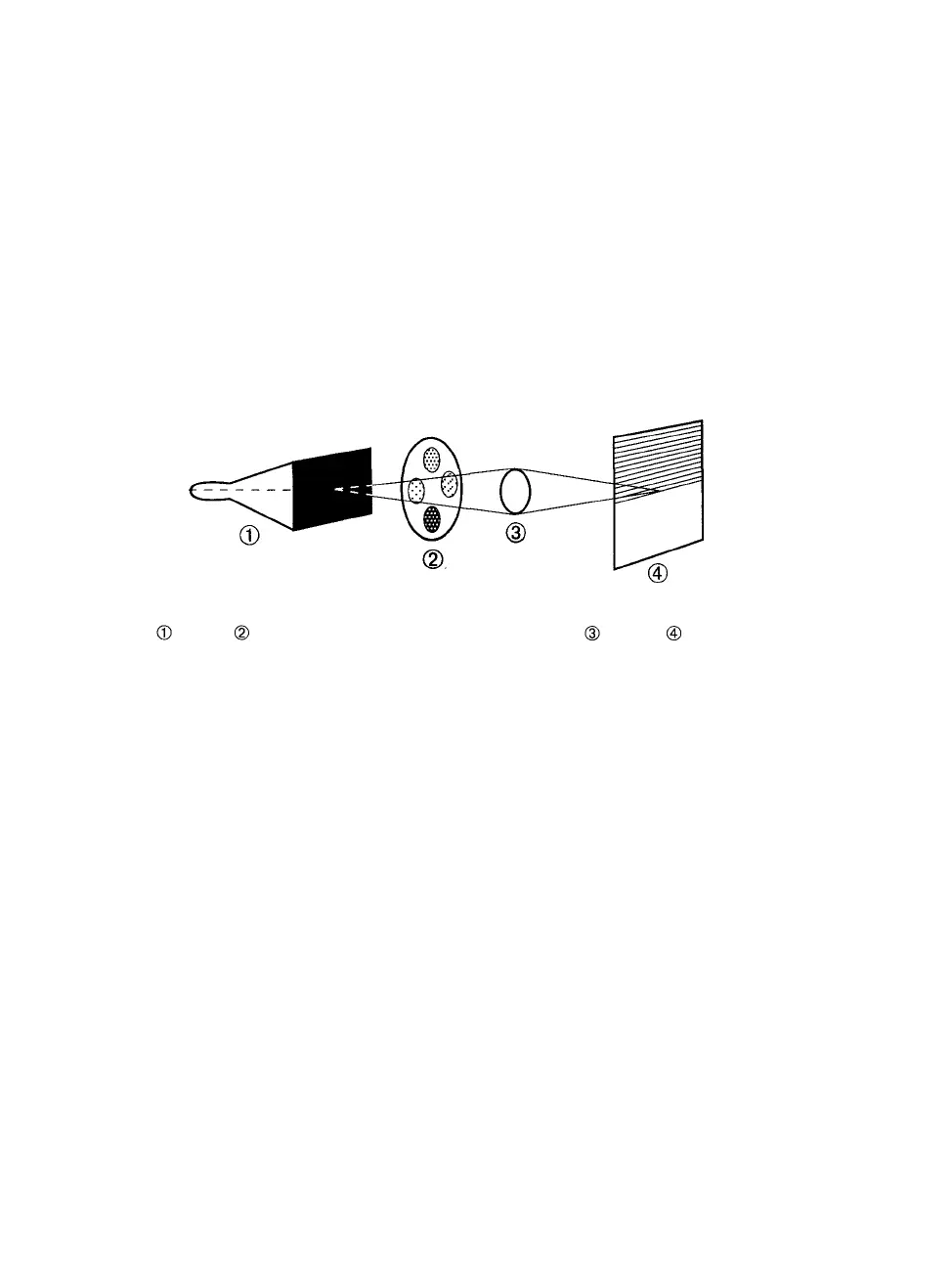
Figure A-1. PCR II Plus Imaging Process.
—CRT. —Color wheel with red, green, blue filters, —Lens. —Film.
The CRT images the computer-generated data in the form of a travel-
ing spot of light. The filter wheel electronically selects the color filter
that the light will pass through, and a lens focuses the light on the film.
The shutter in the film back opens to allow film exposure.
Images
are
created
by
exposing
the
film
to
each
location
along
the
scan
line for the amount of time per color as specified by the incoming data.
After completing a color pass, the filter wheel rotates, and the process
repeats until all three primary colors have been recorded.
PCR II
Plus
uses
an
intensity
modulated
film
recording
process;
that
is, the light intensity of the CRT's electron beam varies for each pixel
exposure while the amount of time spent on recording each pixel stays
the same.
A-4 • PCR II Plus User Guide



 To Next Page