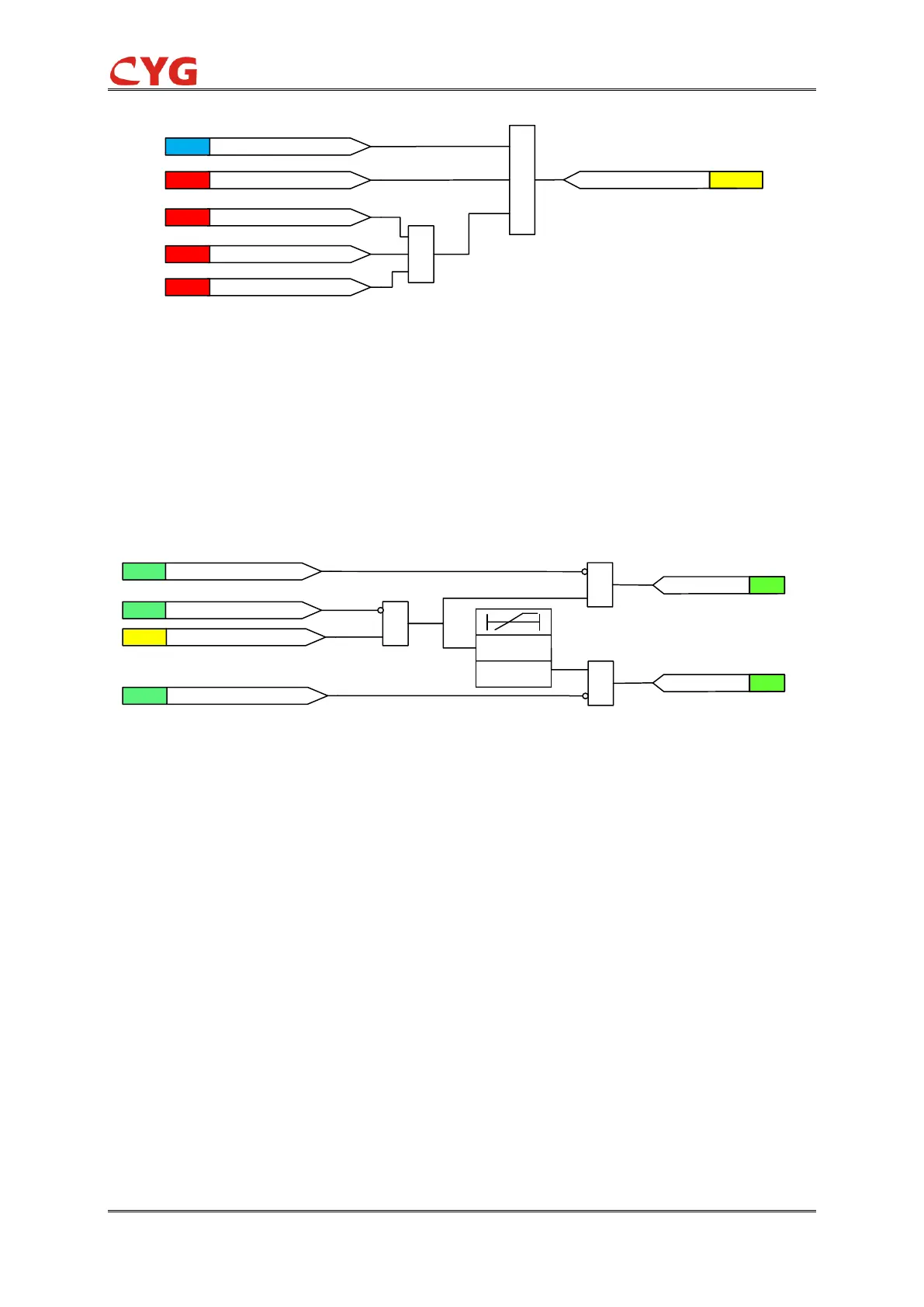
Figure 3.9-2 The initiation logic diagram
Note: I1>0.05IN
The 46D calculates the ratio of the negative and positive sequence current (I2/I1).
Then it compares the calculated ratio to the set 46D_Str. If the calculated value exceeds the set
46D_Str and at least one of the phase currents is above the set value of 46D_MinIp_Str, the
initiation element is activated.
The functional module diagram is shown as below:
Figure 3.9.3 Functional module diagram
Once initiation elements activated and no blocking signal is fulfilled, the timer and 46D_Str signal
are activated.
The time characteristic is according to DT. When the operation timer has reached the value set by
46D_Op_T, the 46D_Op output is activated. If the fault disappears before the module operates,
the reset timer is activated. If the reset timer reaches the value set by 46D_Rest_T, the operate
timer resets and the 46D_Str output is deactivated.
The binary input 46D_Blk can be used to block the function. The activation of the 46D_Blk input
deactivates all outputs and resets internal timers. The binary input 46D_Blk_Str can be used to
block the start signals. The binary input 46D_Blk _Op can be used to block the operation signals.
3.9.3 46D Application Scope
In three-phase distribution and sub transmission network applications the phase discontinuity in
one phase can cause increase of zero sequence voltage and short overvoltage peaks and also
oscillation in the corresponding phase.
46D is a three-phase protection with DT characteristic, designed for detecting broken conductors
in distribution and sub transmission networks. The function is applicable for both overhead lines



 To Next Page