Tyres, Wheels, Ballasting
185
6
TRACTOR BALLAST
Loads Matched to Tractor
The life of the tractor will be increased by
operating in the highest possible gear without
labouring the engine. Match the implement to the
tractor to get the best forward speed. Operating
at 8 km/h (5 mph) or above is best for long life of
main components. Too much ballast and
excessive loads decrease tyre life, wastes fuel
and often reduces output.
● The best traction occurs when wheel slip is
between 12 - 16%.
● Remove the ballast when not needed for
lighter loads.
● Pull lighter loads at a little faster speed to do
more work and increase efficiency. Do not
over weight the tractor to pull very heavy
loads.
Operating a tractor with too much weight can
cause:
A. A decrease in horsepower available at the
implement and then, a decrease in amount
of field worked.
B. An increase in amount of fuel used.
C. A decrease in tyre life.
D. The soil to be compacted.
E. Too much force on the power train which
will decrease the life of the power train and
cause high operating cost.
The most important item in field operations is the
amount of horsepower available at the hitch or
drawbar. Power needed to move a tractor that
has too much weight will decrease the power that
is available to pull the implement.
IMPORTANT: The total tractor weight with all
equipment and ballast weight must never be more
than the maximum recommended operating weight.
See Maximum Permitted Operating Weights on
Page 260 of this manual. Observe tyre capacities
and any possible legal limitations.
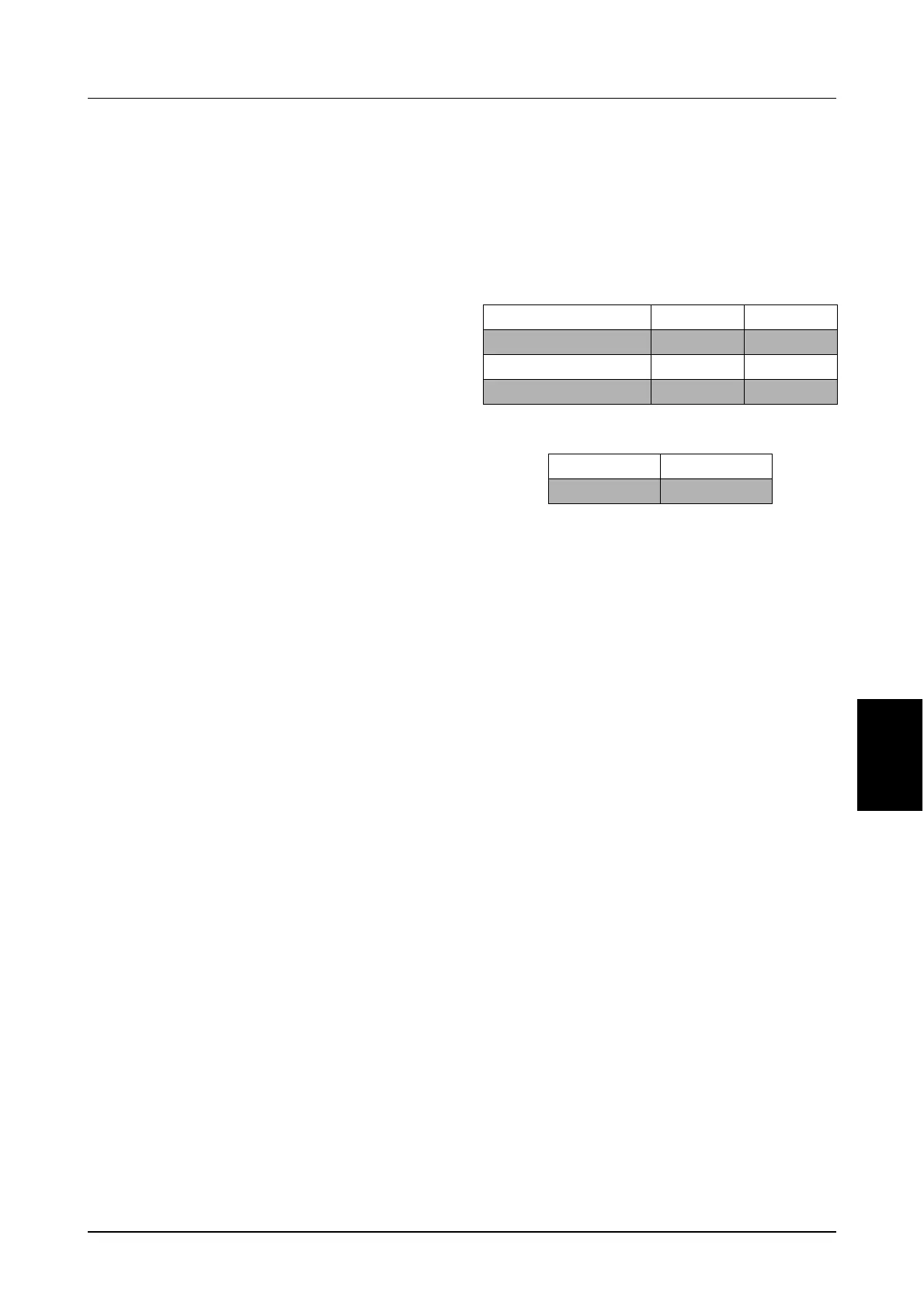
Tractor Weight Distribution
The optimum static weight distribution for this size
tractor is:
Two Wheel Drive (2WD) Tractors
Mechanical Front Drive (MFD) Tractors
The weight distribution ratios are based upon the
tractor (including ballast) with mounted
equipment in the lowered position.
The correct static weight distribution and the correct
amount of wheel slip will give maximum tractive
efficiency, maximum productivity and extended
service life for the tractor components.
The amount and type of front and rear mounted
equipment being used will affect the weight
distribution to the front and rear tyres. Add or
remove ballast as necessary, to your fully equipped
tractor, to achieve the recommended static weight
distribution.
To achieve the optimum performance careful
ballasting is required. The amount of ballast will
vary according to soil type, implement type and tyre
equipment. A general guideline is shown below.
● 45-55 kg (99-121 lb) per engine kW for working
speeds at 7 km/h (4.3 mph) and above.
● 55-65 kg (121-143 lb) per engine kW for
working speeds at 6 km/h (3.7 mph).
● 65-75 kg (143-165 lb) per engine kW for
working speeds at 5 km/h (3.1 mph) and below.
IMPORTANT: The total tractor weight with all
equipment and ballast weight must never be more
than the maximum recommended operating weight.
See page 183. Observe tyre capacities and any
possible legal limitations.
IMPORTANT: Whatever the state of loading of the
tractor, the weight transmitted to the road by the
wheels of the front axle must not be less than 20
percent of the unladen weight of the tractor.
IMPLEMENT TYPE
% FRONT
% REAR
Towed - Drawbar 25% 75%
Semi - Mounted 30% 70%
Fully - Mounted 35% 65%
% FRONT
% REAR
40% 60%



 To Next Page