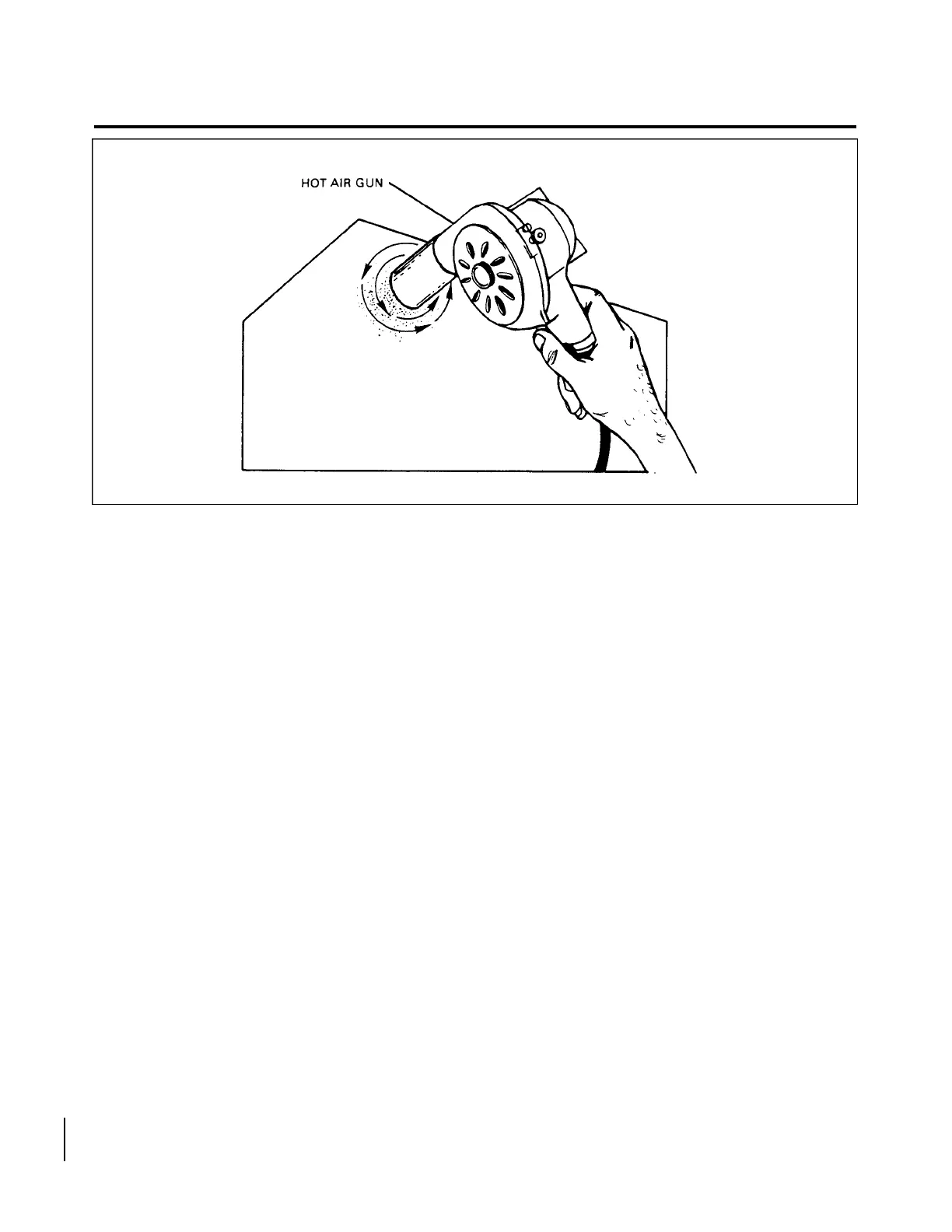
Figure 51-2. Surface Scratches, Abrasions or Ground-in-Dirt
1. Surface preparation:
a. Surface dirt and paint if applied must be removed from item being repaired.
b. Preliminary cleaning of damaged area with perchlorethylene or VM-P Naphtha will ensure a good
bond between epoxy compounds and thermoplastic.
2. Surface scratches, abrasion or ground-in-dirt: (figure 51-2)
a. Shallow scratches and abraded surfaces are repaired using conventional automotive buffing and
rubbing compounds.
—CAUTION—
When using a hot air gun, be carfeul not to overheat the
thermoplastic
b. Remove large dirt particles embedded in thermoplastic parts with a hot air gun capable of
supplying heat in the temperature range of 300° to 400° F. Hold nozzle of gun about 1/4 inch
away from surface and apply heat until area is sufficiently soft to remove dirt particles.
—NOTE—
Thermoplastic will return to its original shape upon cooling.
3. Deep scratches, shallow nicks, and small holes: (Less than 1 inch in diameter.) (figure 51-3)
a. Solvent cements will fit virtually any of these applications. If area to be repaired is very small, it
may be quicker to make a satisfactory cement by dissolving thermoplastic material of same type
being repaired in solvent until desired paste-like consistency is achieved.
b. Apply mixture to damaged area. When the solvent evaporates, the hard solids remaining can easily
be shaped to desired contour by filing or sanding.
c. Solvent adhesives are not recommended for highly stressed areas, on thin walled parts or for
patching holes greater than 1/4 inch in diameter.
51 - 12 - 00
Page 51 - 09
Reissued: August 1, 1986
2F5
PIPER AIRCRAFT
PA-28-236
MAINTENANCE MANUAL


 To Next Page