54733-10BA2L
2 – 158 02.2017
1 System Description Volume 2
1.4 Measuring Arrangements
To be able to cover a certain measuring range continuously, a mea-
suring arrangement must be realized where the dimensions of
source and detector form a geometry, which covers a measuring
field of equal size. The different options that are available will be
described below.
Which of these arrangements is chosen depends on the size of the
measuring range and on the measuring geometry resulting from the
measuring task. Moreover, constructional circumstances and cus-
tomer-specific requirements may have an effect on the device
selection.
The respective selections are made during the planning stage and
must be observed during assembly and commissioning.
1.4.1 Rod Source Arrangement
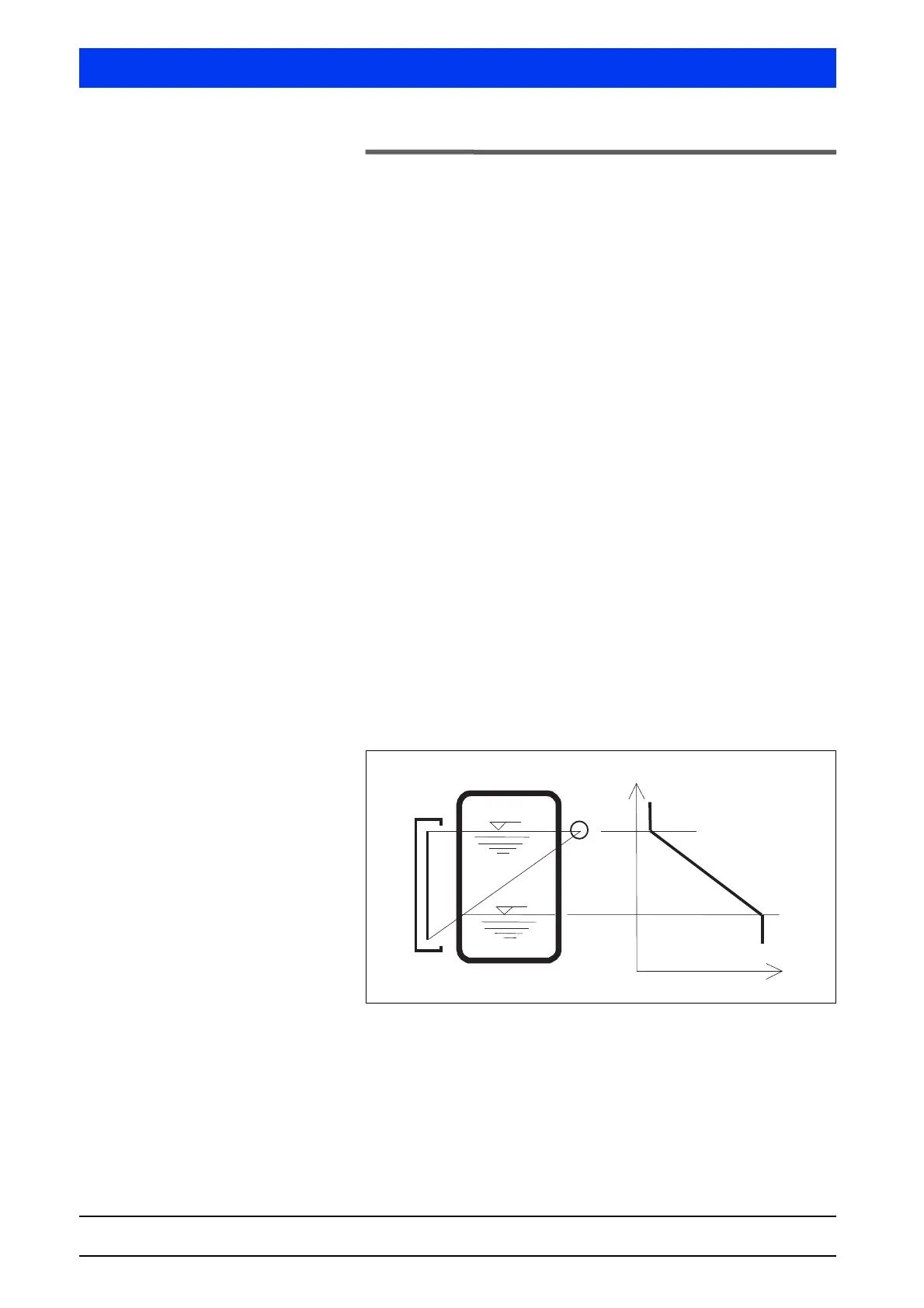
Fig. 1-5 shows a basic arrangement with rod-shaped source and
point-shaped detector (CrystalSENS, SuperSENS) as well as the
respective characteristic curve. The length of the rod source is
adapted to the size of the required measuring range. The non-lin-
earities resulting from the measuring geometry and the dissemina-
tion and absorption conditions of the radiation are compensated for
by means of a non-linear activity distribution along the rod source,
including the critical zone around the bottom end of the measuring
range.
Thus, the intensity changes at the detector are already in linear
proportion to the level changes. The evaluation electronics can
work linear. Electronic linearization is not required. Therefore, it is
much easier to take the level gauging system into operation or to
replace devices.
Fig. 1-5 Rod source arrangement
Rod
source
Level
Detector signal
Detector


 To Next Page