Operating the H Cameras for Digital and Film Photography 77
some only with a digital sensor unit on the camera. These exceptions are clearly indicated in
the list of custom options.
Use and Application of the Custom Options
● Standby Timeout: Allows you to set the length of time that the camera remains in the active
state from 5 to 30 seconds. Ten to 15 seconds is a good time. Do not set to NONE because it
drains the battery excessively.
● EV Increment: Gives you the choice of making aperture and shutter speed settings in intervals
of either
1
/
3
,
1
/
2
, or 1 EV value.
● User Button Function: Allows you to select and program into the camera one specifi c camera
function that you use often in your photography: for example, automatic bracketing or mirror up.
You can then access this particular operation instantly by simply pressing the User button at the
rear of the camera grip. The various User button options are listed later in this chapter.
● Control Wheel Direction: Lets you set the direction to CLOCKWISE or ANTI-CLOCKWISE,
which then determines how the various settings change when you turn the control wheels; for
example, whether the aperture values go up or down when you turn the wheel one way.
● Flash Ready Exposure Lock: When set to YES, locks the shutter so that it does not release until
a fl ash unit, used in a dedicated fashion, is fully charged. This works only with the built-in fl ash
and dedicated fl ash units attached to the hot shoe, not to the PC connection.
● Magazine Exposure Lock (Film Exposure Lock): In H3D only with fi lm magazine attached.
When set to YES, prevents the shutter from being released if there is no fi lm in the magazine. This
option also shows the signal NO FILM on the display.
● Lens Exposure Lock: When set to YES, prevents the camera from being released without a lens
on the camera. The LCD display also shows NO LENS.
● Out of Range Exposure Lock: When set to YES, prevents you from taking pictures when the
parameters (aperture and shutter speed) are outside the possible range.
● True Exposure: The actual amount of light that falls on the image plane from the opening and
closing of a central shutter depends slightly on the size of the lens aperture. The True Exposure
ON setting compensates for such variations and provides the most precise exposures at any
aperture and shutter speed combination.
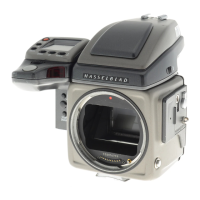
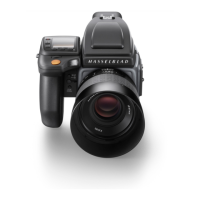
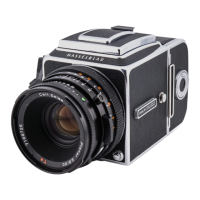
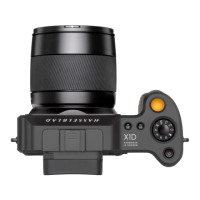
Figure 4-25 New custom options. Custom options found in newer H camera models.



 To Next Page