Tsunami Mode-Locked Ti:sapphire Laser
B-10
of less than 1% with a conventional detector in conjunction with a spec-
trally selective device. We recommend a monochromator with a CCD
detector. This also provides an accurate measurement of the output wave-
length (usually required for an experiment) and the bandwidth of the pulse
(required for determining the pulse time-bandwidth product and, thus, its
relationship to a transform-limited pulse).
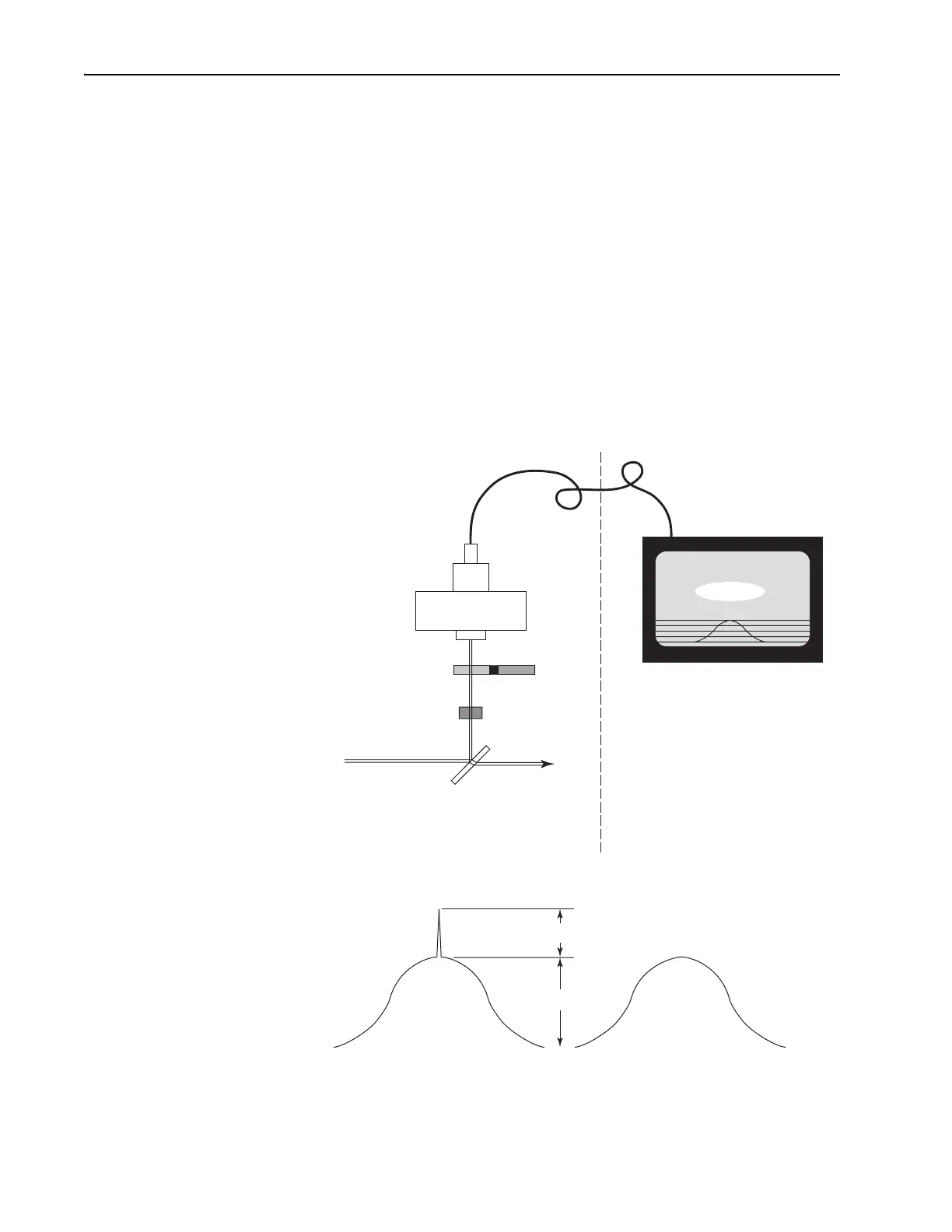
Figure B-6 shows a standard setup. For a typical < 80 fs output pulse, the
ratio of bandwidth to the CW linewidth is about 100 (10 nm vs. 0.1 nm).
Consequently, a 1% CW component has the same peak height as the spec-
tral peak of the pulse. The signal detection limit of this technique is gov-
erned by the ultimate resolution of the monochromator but, with a
conservative signal detection limit of about 10% of the peak height, it is
possible to detect a CW component of about 0.1% (Figure B-7). During
final test procedures at Spectra-Physics, all Tsunami systems are tested
using an external monochromator and CCD diagnostic to ensure any CW
component is less than 0.1%.
Figure B-6: A Typical Monochromator/CCD Setup
Figure B-7: Output spectrum of the Tsunami monitored with an exter-
nal monochromator/CCD system. (a) shows a CW component of 1%,
(b) shows a CW component of less than 0.1%.
95% Attenuator
Variable Attenuator
Monochromator
CCD Camera
Output from Tsunami
Beam Splitter
Monitor and
Video Analyzer
To Experiment
Table Layout Display
100 %
1 % cw
ab


 To Next Page