Laser Description
3-5
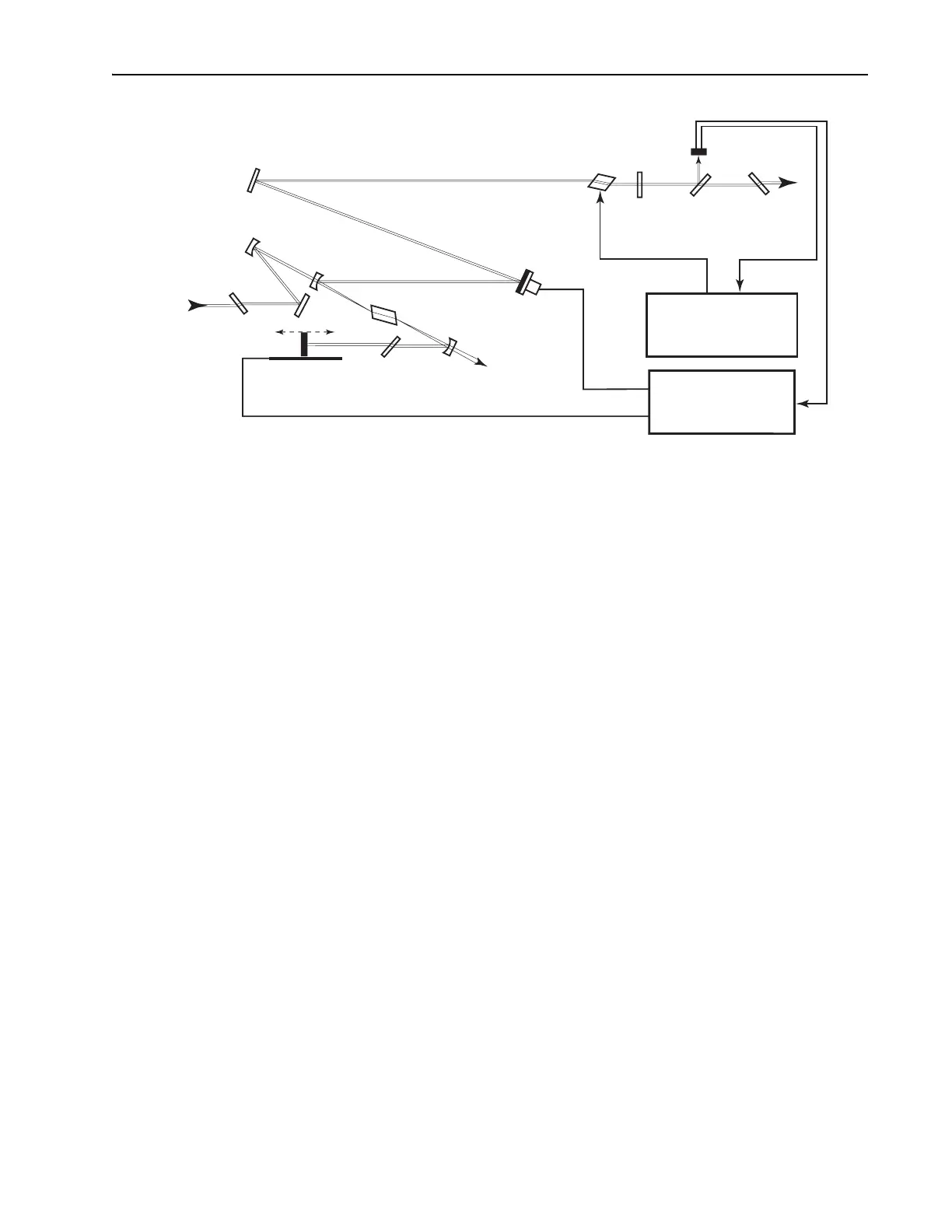
Figure 3-4: Beam Path for Tsunami Model 3950 Picosecond Configuration
However, astigmatism still exists within the laser rod. Therefore, the pump
beam must also be astigmatic for efficient coupling between the pump and
intracavity beam. A concave focusing mirror used at the proper angle
induces astigmatism in the pump beam that matches that of the Tsunami
cavity mode. The result is a laser with high conversion efficiency and good
beam quality.
A/O Modulator (AOM)
The Tsunami acousto-optic modulator (AOM) ensures reliable mode-
locked operation at laser start-up. It also allows the laser to operate for
extended periods without dropouts or shut-downs associated with standard
passively mode-locked systems. The AOM is driven by a regeneratively-
derived rf signal.
Wavelength Tuning Characteristics
Because the Ti:sapphire rod is birefringent, uninterrupted tuning is
achieved when the c-axis of the rod is aligned coplanar with the polariza-
tion of the electric field within the cavity. Since the Ti:sapphire rod and the
birefringent filter plates or prism surfaces represent a total of ten Brewster's
angle surfaces, the polarization within the cavity is largely determined by
the orientation of these surfaces. Furthermore, cavity losses are minimized
and tuning is optimized when all these surfaces are accurately aligned at
Brewster's angle.
The Tsunami laser uses a proprietary Ti:sapphire rod holder that orients the
rod surfaces at Brewster's angle and allows the c-axis of the rod to be
aligned coplanar to the electric field vector. This technique compensates for
unavoidable errors in rod orientation that occur when the rod is cut and pol-
ished.
Output
Brewster
Window
Fast
Photodiode
Beam
Splitter
M
10
AOM
M
5
P
2
M
3
M
4
PZT (optional)
Ti:sapphire Rod
P
1
M
2
Residual
Pump
Beam Dump
Motorized (optional) Birefringent
Filter
Input
Brewster
Window
Pump
Beam
Model 3955
AOM Driver Electronics
Model 3930
Lok-to-Clock Electronics
Optional
HR
OC
M
1


 To Next Page