Laser Description
3-3
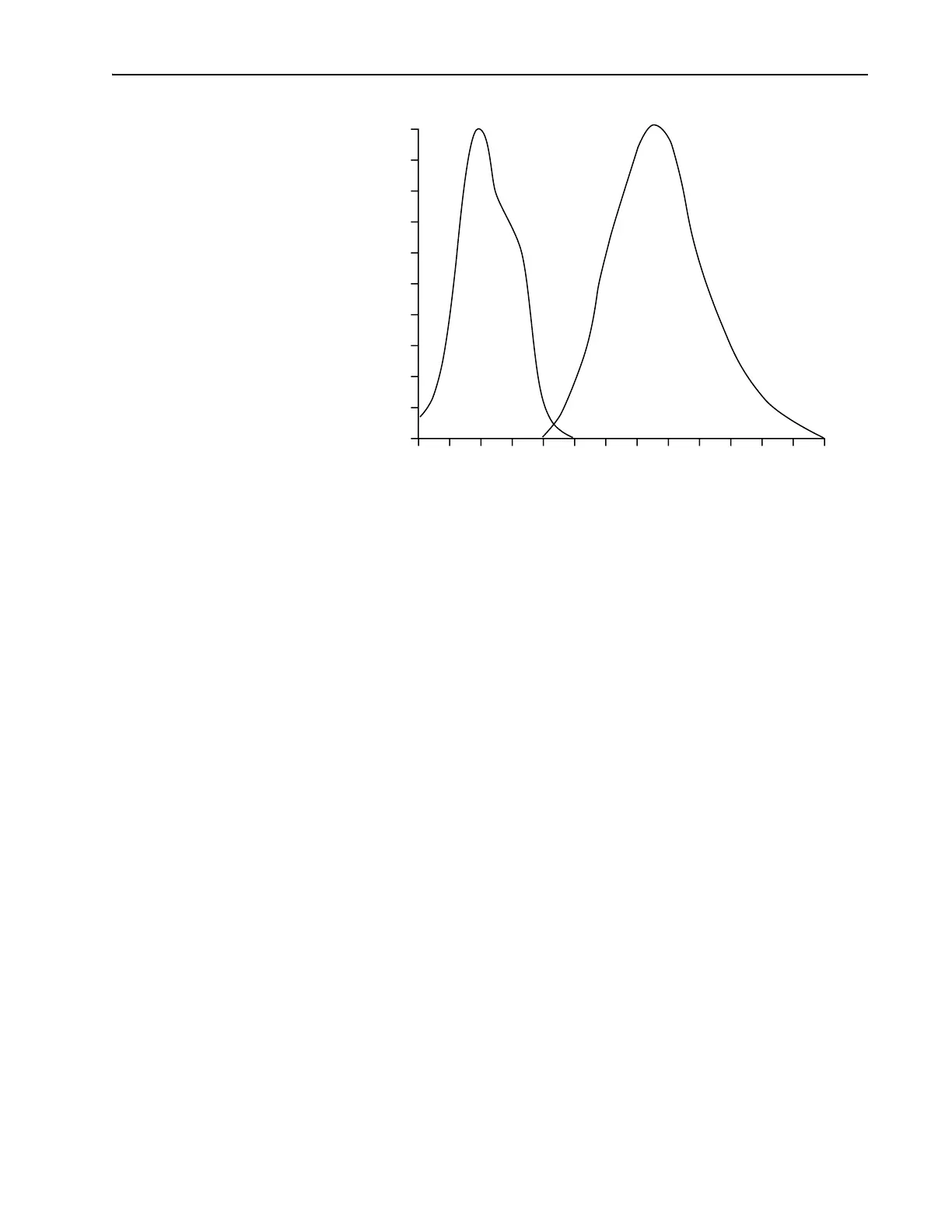
Figure 3-2: Energy level structure of Ti
3+
in sapphire
Pumping Optimization
For continuous-wave (CW) pumping, there is one basic requirement for
lasing action: the unsaturated round-trip CW gain must exceed the round-
trip loss from all sources. The cw gain is obtained by having a high inver-
sion density and an adequate length of Ti:sapphire material. A high inver-
sion density comes from having a high pump intensity and a high Ti
3+
ion
concentration. Losses in the Ti:sapphire laser come from losses in mirror
coatings and polished surfaces, and more importantly, the residual loss in
the Ti:sapphire material itself. This loss is proportional to the rod length
and varies with the Ti
3+
concentration, generally increasing as the Ti
3+
con-
centration increases.
Unlike a dye laser, the pump illumination in a Ti:sapphire laser must be
collinear with the cavity mode over a relatively long length of the laser rod.
A continuous, high inversion density over the entire volume of a rod sev-
eral millimeters in diameter is difficult to achieve. To circumvent this prob-
lem, the pump light is focused to a narrow line within the rod and the
oscillating laser mode is similarly focused and overlapped within the same
volume–a technique known as longitudinal pumping. The output beam is
then collimated and expanded to normal size. The residual pump beam is
dumped through the second cavity focus mirror (Figure 3-3).
1.0
0.5
0
400 500 600 700 800 900 1000
Wavelength (nm)
Intensity (arb. units)


 To Next Page