Revision 1 66 9/10/2019
5.3 Communication between the Computer and the Analyzer
When communication between the computer and the analyzer is established, the GUI
downloads the current status of the analyzer. If a change is made to any data on a tab, it
must be transmitted to the analyzer to be effected.
If you make a change to an analyzer parameter via the GUI, make certain
that you transmit it to the analyzer before you open another tab. If you do
not transmit it to the analyzer and go to another tab, the change will be lost.
Information can be transferred from the computer to the analyzer via the following two
buttons on the button bar:
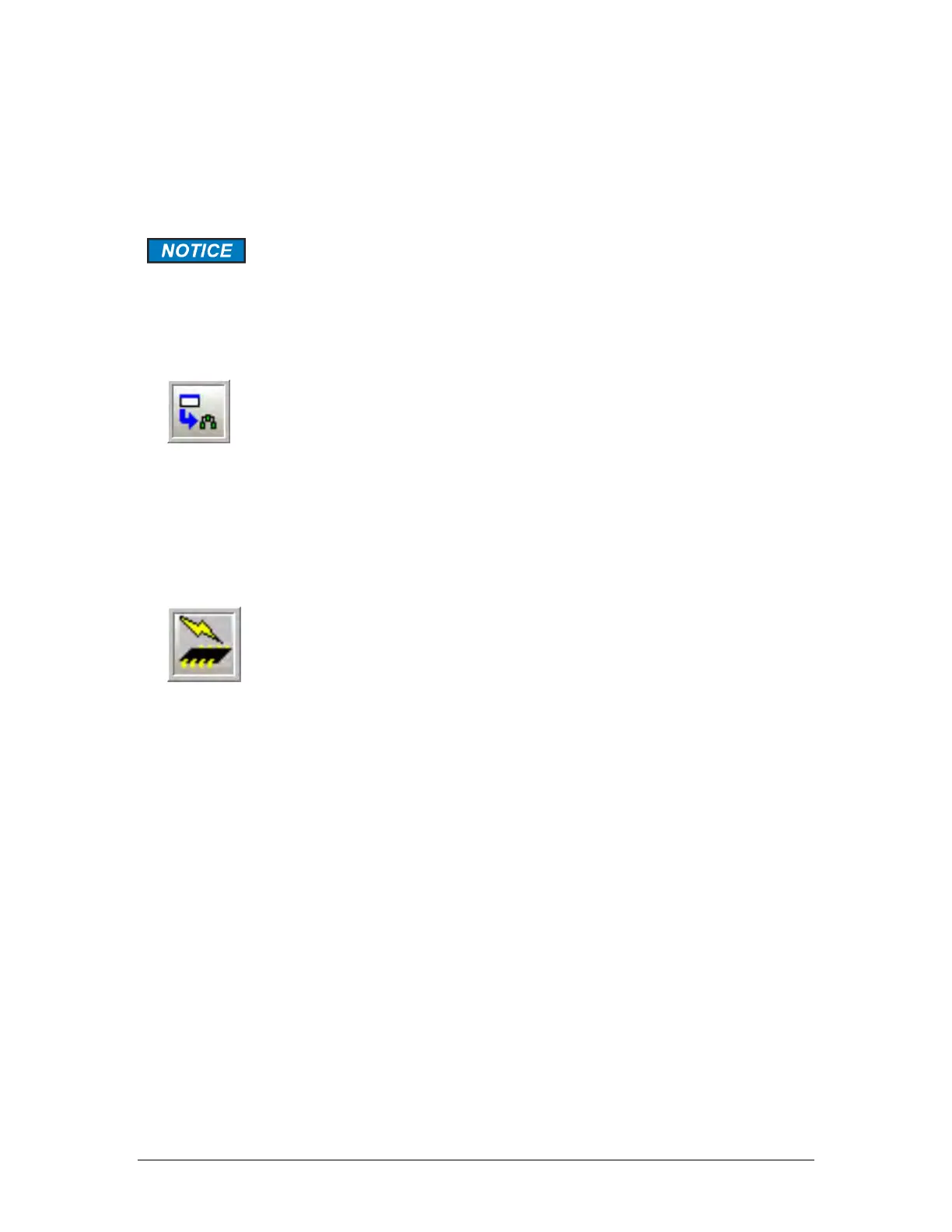
Write Current Page to Analyzer Button
As you go through the tabs and make the desired changes, the Write Current Page to
Analyzer button allows you to store and view your analyzer configuration and its behavior
before you make a final decision. If you switch the power off to the analyzer or perform a
Reboot, the analyzer will revert to its original configuration and all the changes will be lost.
To prevent the loss of parameter changes, all the changes must be permanently saved to the
analyzer as described below.
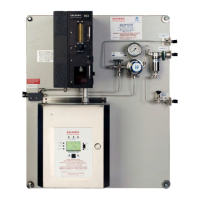
Permanent Configuration Write to the Analyzer Button
When all the desired changes have been made and saved to the analyzer by using the Write
Current Page to Analyzer button; the Permanent Configuration Write to the Analyzer button is
used to make them permanent.
When the Permanent Configuration Write to the Analyzer button is pressed, a command to
the analyzer will be sent that will start the process of copying data from analyzer memory to
the analyzer hard drive. This process takes about 30 seconds to complete. After this step, all
the changes are permanently stored to the analyzer.


 To Next Page