Introduction
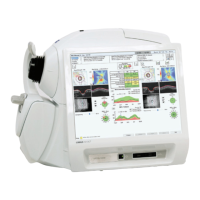
Stratus OCT User Manual PN 2660021134133 A
1-2
Part of the Body
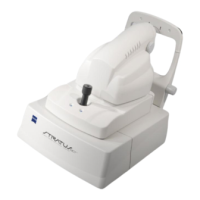
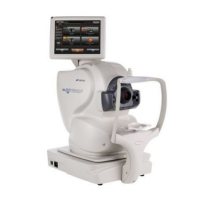
The Stratus OCT instrument is designed for in-vivo viewing and axial cross-sectional
imaging and measurement of posterior ocular structures. In addition, the system physically
interacts with the patient’s forehead and chin.
Application
The Stratus OCT instrument is designed for continuous use, although it is expected that
most sites operate the instrument for 10 hours or less per day, indoors, within a medical
office or hospital setting. This setting shall have clean air free of soot, vapors from
adhesives, grease, or volatile organic chemicals. Other Operating Environment
specifications are given in Chapter 11. Application related warnings are given in Chapter 1
and elsewhere.
Operator Profile
We assume that users are clinicians with professional training or experience in the use of
ophthalmic imaging equipment, and in diagnostic interpretation of the images generated.
Specific assumptions regarding the profiles of individuals performing instrument operation
or data interpretation are given below. This manual contains information that will aid in
the proper instrument operation and interpretation of the resultant data.
Instrument Operation
Demographic
The user should be adult, and at least one of the following:
• Ophthalmologist
•Nurse
• Certified Medical Technician
• Ophthalmic Photographer
• Non-certified Assistant
Occupational Skills
The user should be able to perform all of the following tasks:
• Power on the unit and log on
• Enter, find, and modify patient identifying data
• Clean surfaces that contact patient
• Position patient with the instrument, including moving the patient, the instrument,
the table height, and the patient’s chair
• Select and acquire a scan
• Review and save a scan or try again
• Generate an analysis report using available analysis protocols


 To Next Page