3.12.14 Time Tagging and Clock Synchronization
Q6Z0152B
MAIN:
Date
[ 003 090 ]
MAIN:
Time of day
[ 003 091 ]
MAIN:
Time switching
[ 003 095 ]
MAIN:
Time switching
MAIN:
Time tag
306 021
Setting
0: Standard time
1: Daylight saving time
MAIN:
Min-pulse clock EXT
[ 060 060 ]
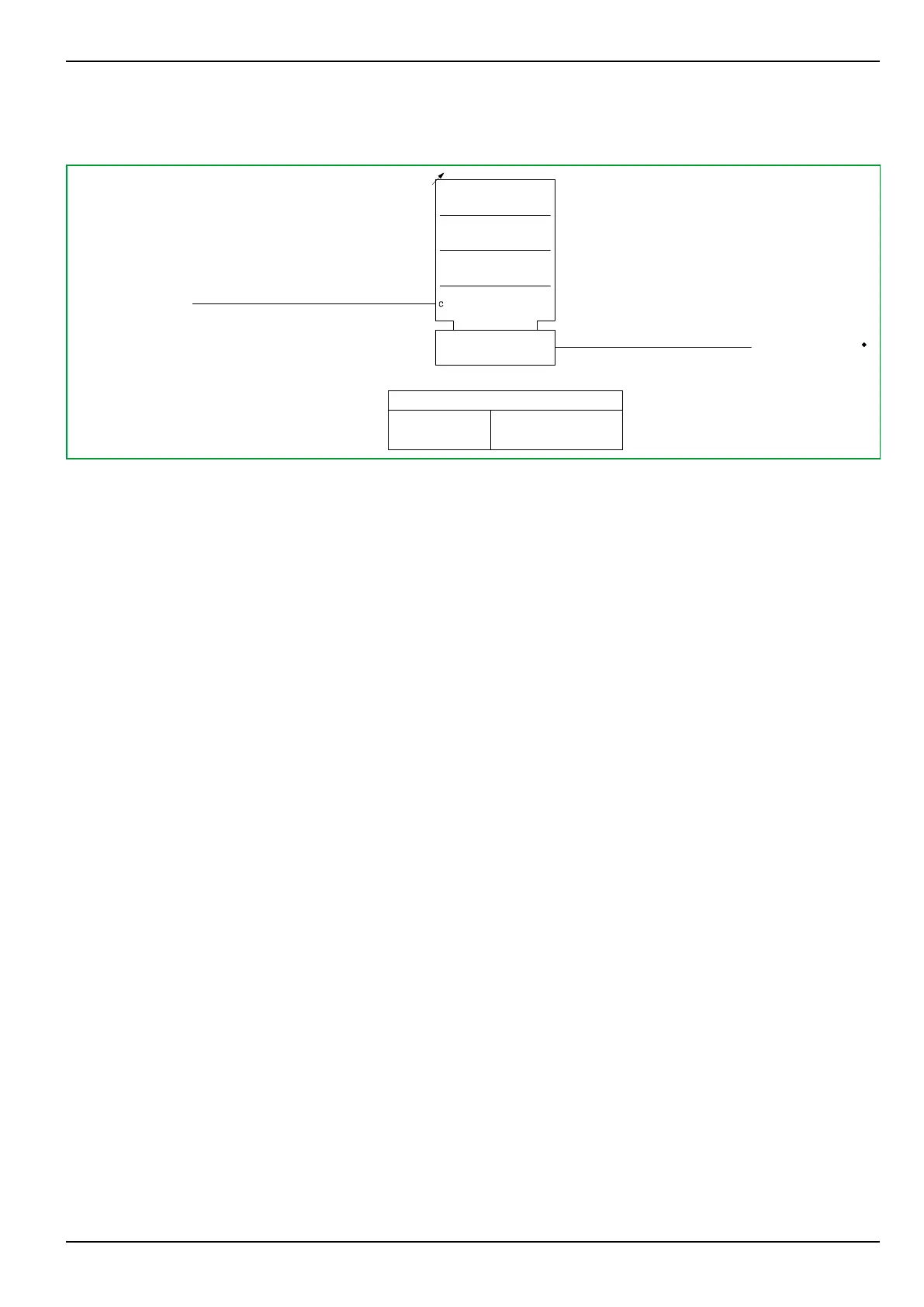
Fig. 3-64: Date/time setting and clock synchronization with minute pulses presented at a binary signal input.
Switching from standard to daylight saving time or back requires correct time
setting frames from the time synchronization master (according the applied
communication protocol).
The data stored in the operating data memory, the monitoring signal memory
and the event memories are date- and time-tagged. For correct tagging, the date
and time need to be set in the P634.
The time of different devices may be synchronized by a pulse given to an
appropriately configured binary signal input. The P634 evaluates the rising edge.
This will set the clock to the nearest full minute, rounding either up or down. If
several start/end signals occur (bouncing of a relay contact), only the last edge is
evaluated.
3.12.14.1 Priority Control of Time Synchronization
The protection device provides several ways of synchronizing the internal clock:
●
Telegram with the time of day via the communication interface COMM1/IEC
(full time)
●
Telegram with the time of day via the communication interface COMM2/PC
(full time)
●
IRIG-B Signal (IRIGB; time of day only)
●
Impulse every minute via a binary signal input (MAIN), see Fig. 3-64, (p. 3-
95) and the preceding section.
A primary and a backup source for time of day synchronization may be set,
where both provide the four options listed above.
MAIN: Prim.Source TimeSync
MAIN: BackupSourceTimeSync
With this feature synchronization occurs continuously from the primary source as
long as time synchronization telegrams are received within a time-out period set
at MAIN: Time sync. time-out.
When selecting the time telegram via IEC as the primary source the device will
expect time synchronization telegrams from server SNTP 2 after server SNTP 1
has become defective, before it will switch over to the backup source.
Time synchronization occurs solely from the primary source when the time-out
stage is blocked.
3 Operation
P634
P634/EN M/R-42-A // P634‑311‑653 3-95


 To Next Page