VIsualEyes 515/525 - Additional Information Page 20
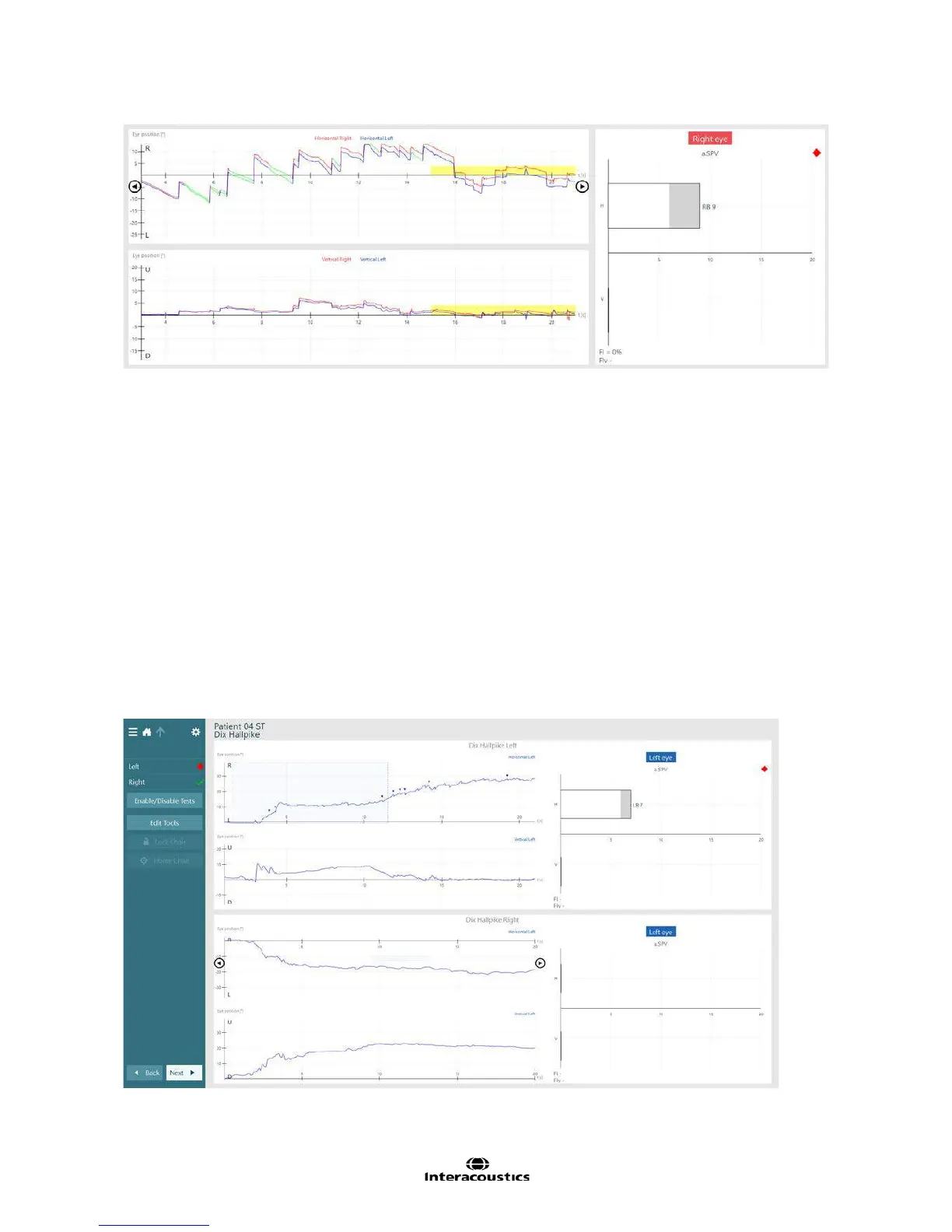
Figure 3.3.1 Spontaneous Nystagmus Waveform and a.SPV graph
3.3.2 Dix-Hallpike test
The Dix-Hallpike test is a specific test to diagnose BPPV (benign paroxysmal positional vertigo).
The Dix-Hallpike test is contraindicated in patients who exhibit the following: current or past injuries of
the neck or spine, brainstem malformations, such as Arnold-Chiari, pre-existing neurological symptoms
including but not to limited to: blurred vision, numbness, weakness of the arms or legs and confusion.
The test is performed by starting the subtest and reclining the patient into the supine position with the head
turned to the direction tested. After 60 seconds, the software will provide an audible “ding” sound and mark
the waveform to indicate the time to bring the patient to a sitting position. The test will then continue for
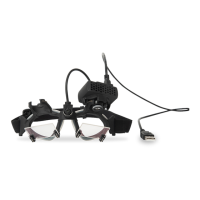
another 60 seconds. The each portion of the test may be shortened by pressing the foot pedal, RF Remote’s
Enter button, side switch on the top mount goggles, or Enter key on the keyboard.
The Dix Hallpike test has two subtests, Left and Right. In the Dix Hallpike summary, the left test will be
displayed on top and the right test will be displayed on bottom. Horizontal and vertical eye positions are
separated. The eye selected can be switched for each test by clicking or touching on the eye title of the
a.SPV bar graph. (Figure 3.3.2).
Figure 3.3.2 Horizontal and vertical eye positions in the Dix Hallpike summary






 To Next Page