VIsualEyes 515/525 - Additional Information Page 41
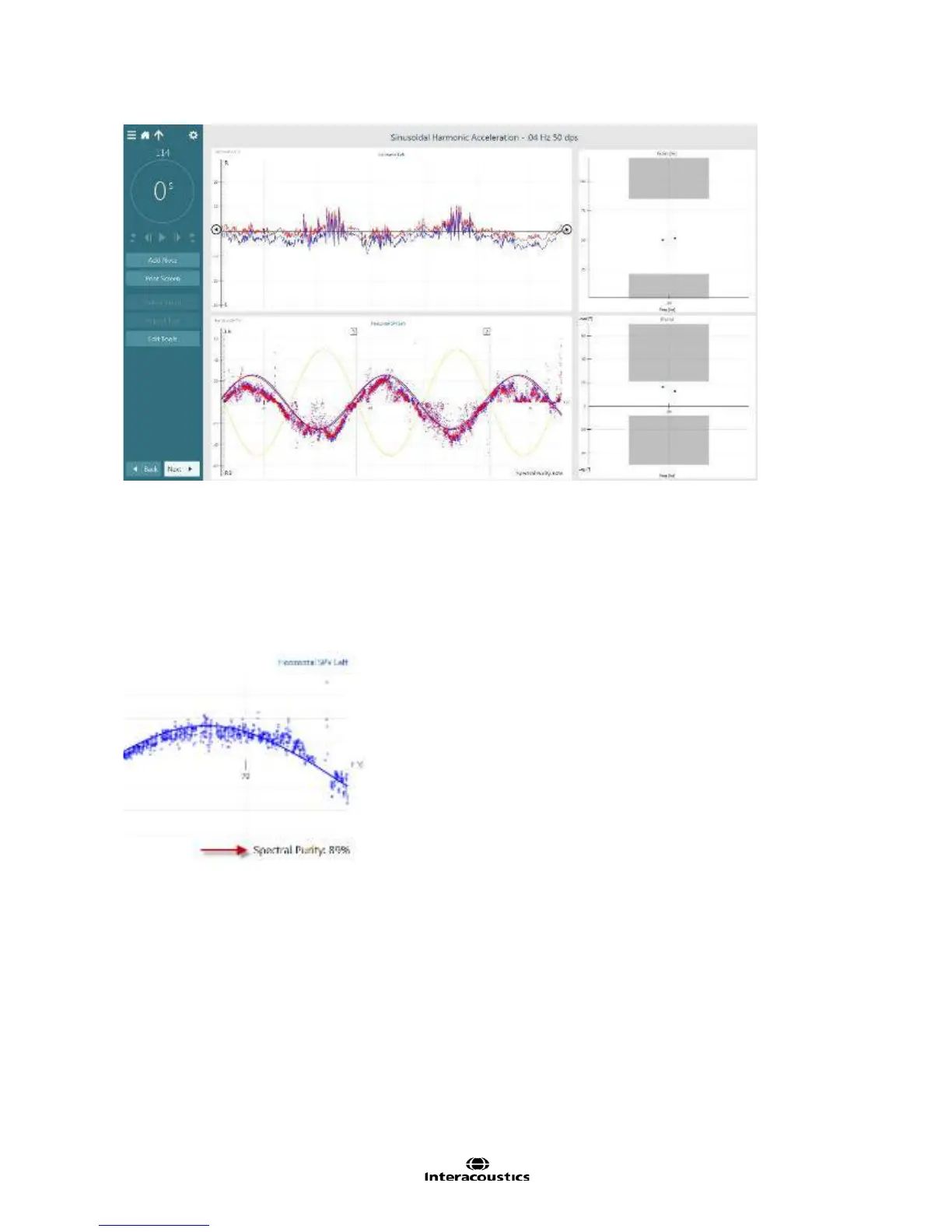
Figure 3.6.15 Review individual SHA frequency
Spectral purity
A spectral purity value for each given frequency tested can be viewed in the lower right corner of the eye
velocity display (Figure 3.6.16). The spectral purity of the evoked nystagmus may be useful to indicate
whether the test values have been influenced by artifact, for instance from failure to adequately alert the
patient or from calibration errors affecting the peak eye velocity measurements. The higher the spectral
purity value, the more reliable the sinusoidal harmonic acceleration result. Values are displayed as a
percentage (%).
Figure 3.6.16 Spectral purity value
3.6.3 Step rotation test
During the Step Rotation test, the patient is positioned on a motor driven reclining chair that, after an initial
acceleration (60°/s
2
), rotates at a constant speed for 60 seconds or until the patient has adapted to the
rotation and the examiner stops the chair. When the chair is stopped it decelerates at (60°/s
2
) and the exam
moves into the second step of the Step Rotation test, which involves recording the patient’s eye movements
during no chair rotation. The test continues with rotation at a constant speed in the opposite direction to the
first step, and then a final stopped condition for a total of four recorded conditions for each speed tested.
Eye movements are recorded with VisualEyes™ VNG cameras and results are displayed in real-time on
screen.
The speeds of rotation most often tested Step Velocity test are 6°/second and 140°/second. The speed of
60°/second is also available.






 To Next Page