VIsualEyes 515/525 - Additional Information Page 25
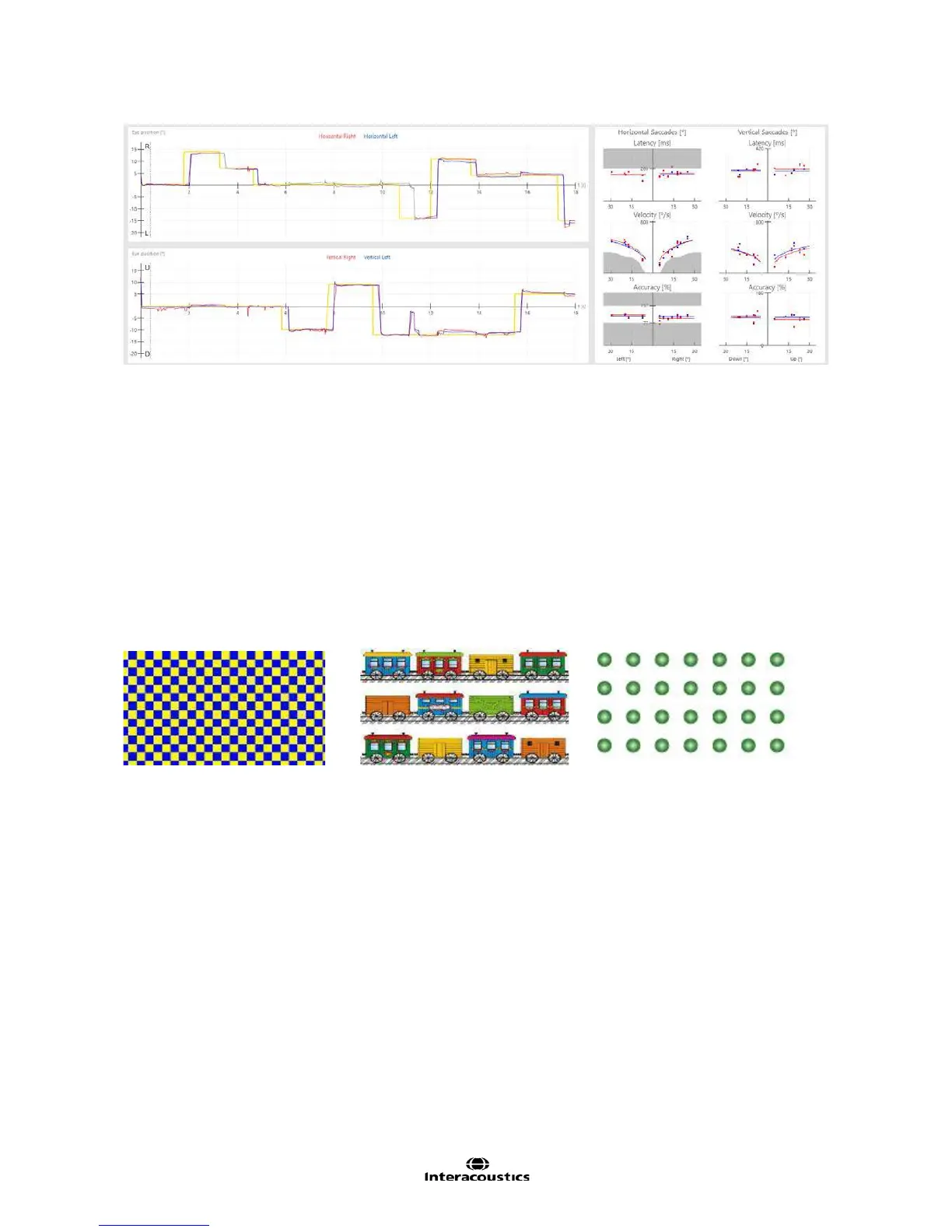
Figure 3.4.7 Saccade results combined subtest
The three essential parameters (latency, velocity and accuracy) are analyzed and displayed for both eyes for
horizontal and vertical saccades. If the Combined subtest is performed, the software will analyze the
horizontal saccades separately from the vertical saccades (Figure 3.4.7). The results will display each
saccade jump as a dot colored for the respective eye. Average lines for the Latency and Accuracy graphs
are calculated for each direction (e.g. left versus right movements) of saccade jumps and regression curve
fits are calculated for each eye and direction for the saccade Velocities. Test thresholds are available for
horizontal saccades and will be marked in the graphs with gray shading. If one of the average lines or part of
the regression curve fit falls into the shaded areas, the software will mark the analysis with a red diamond.
3.4.4 Optokinetic test
The Optokinetic test is used to examine eye movement during stimulation from a large, moving pattern. The
VisualEyes™ 525 software can generate various stimuli patterns that can move across the TV or projection
screen in horizontal or vertical directions.
Checker Board Trains with Tracks Spheres
During the slow phase of the nystagmus the eyes move with the velocity of the projection pattern.
The eyes then make a fast corrective eye movement (saccade) back to center. This nystagmus continues to
occur throughout the duration of the test. In the default Optokinetic test, the patient’s ability is assessed in
four tests following moving stimulus patterns at 20 degrees per second (left moving and right moving) and 40
degrees per second (left moving and right moving). An optional pair of tests at 30 degrees per second is also
available. These velocities can be changed if desired, though it is recommended to test each direction at the
new velocity which will then be shown in the Symmetry graph on the Optokinetic summary.






 To Next Page