14 User Manual QuickTOC
®
purity
ATEX 2 04E3920
2 Operating Principle of the Analyser
2.1 Measurement of TOC LAR | PROCESS ANALYSERS AG
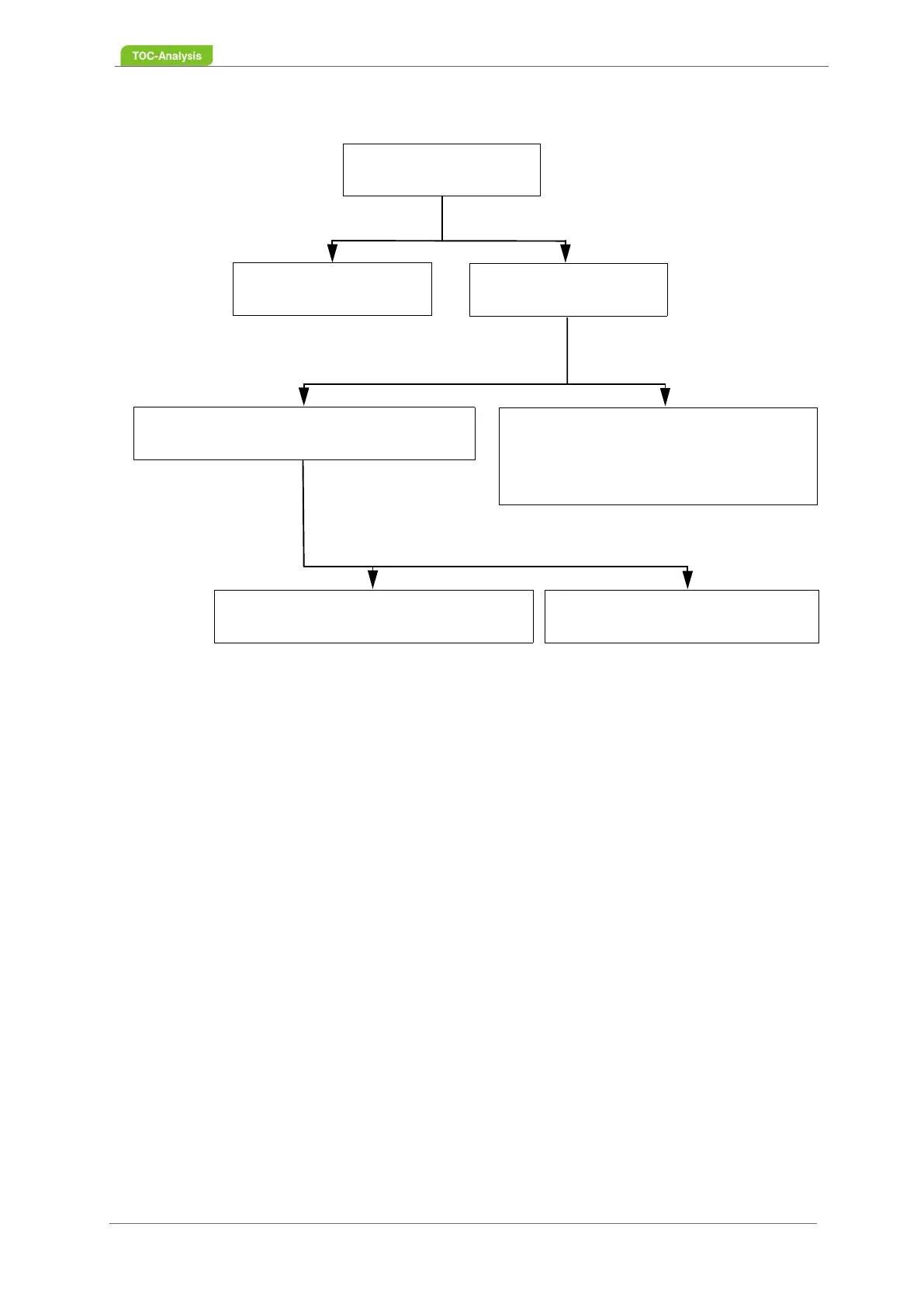
Fig. 1: Sum parameters of organic compounds
Furthermore, Wei reports in the “Proceedings of the Water Quality Technology Conference (1998, Paper
2-E2)“ that the UV persulphate method can show TOC values between 30 and 50% lower than with the
high temperature method, while the values measured can have a 23% higher variance. It is for these
reasons that the high temperature method is the more common method in waste water analysis. For this
reason, it is also used in the QuickTOC
®
purity
.
2.1.4 The Measurement Principle of the TOC-Difference Method
2.1.4.1 Proceeding
First, the sample is transferred into the sample vessel via the inlet. From here, the sample is injected by
the injection system into the ceramic furnace.
The sample oxidises completely to CO
2
at 1,200°C in the ceramic furnace. After the oxidation a carrier
gas, which flows continuously through the ceramic furnace, transports the measurement gas to a cooler.
The water vapour produced by oxidation is condensed out by the cooler, and remaining corrosive. Com-
bustion gases are cleaned by the filters. The CO
2
concentration is determined in the NDIR detector dis-
played as TC.
TC
Total Carbon
TIC
Total Inorganic Carbon
TOC
Total Organic Carbon
NPOC
Non Purgeable Organic Carbon
POC / VOC
Purgeable Organic Carbon
/
Volatile Organic Carbon
Proteins, Sugar,
org. Acids,
Alcohols,
Humic Compound,
Aromatics, Fats...
Carbonates,
Carbonic Acid...
NPDOC
Non Purgable Dissolved Organic Carbon
Particulate Organic Carbon



 To Next Page