04E3920 User Manual QuickTOC
®
purity
ATEX 2 15
2 Operating Principle of the Analyser
2.1 Measurement of TOC
LAR | PROCESS ANALYSERS AG
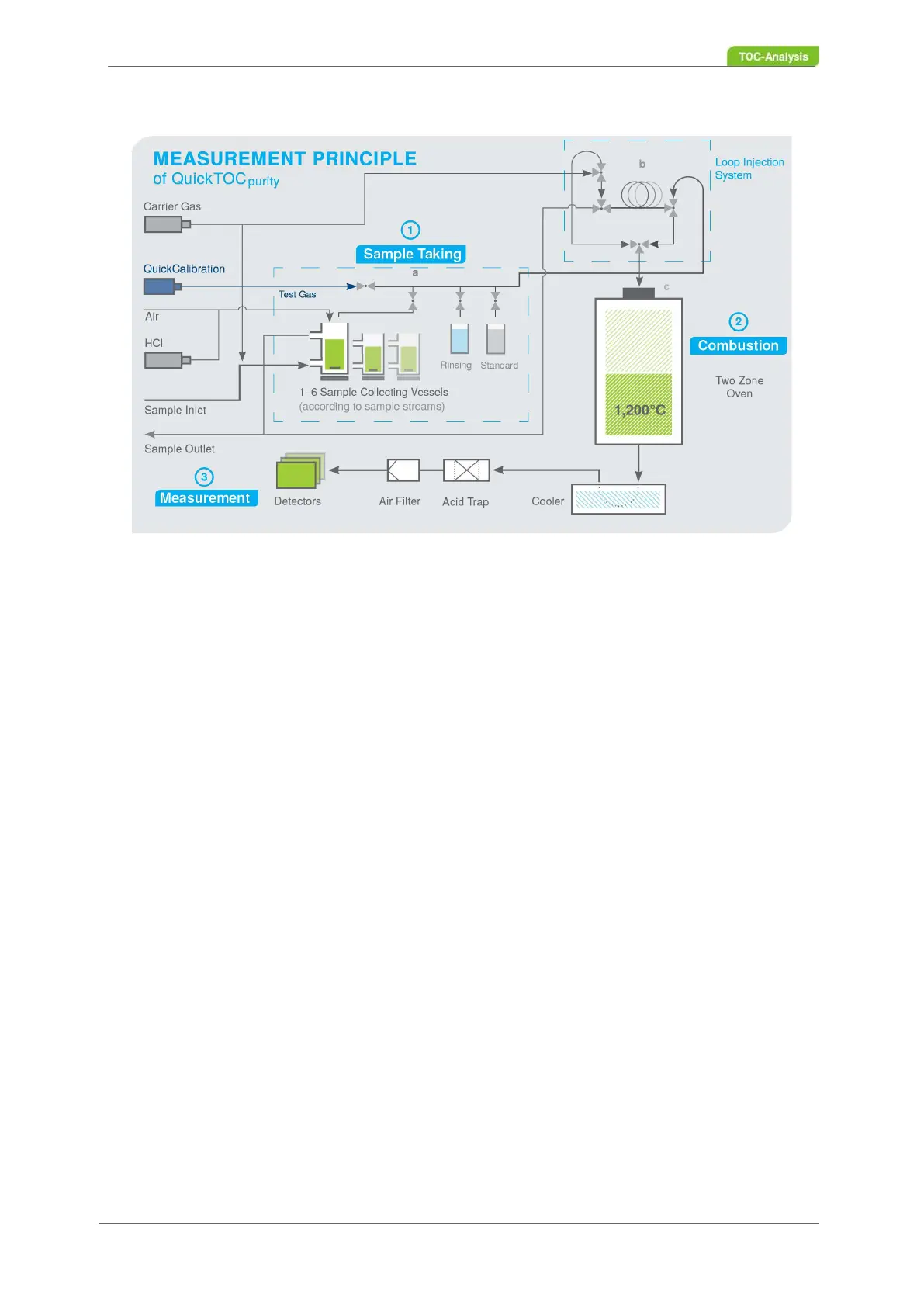
Fig. 2: Measurement Principle of the TOC-Difference Method
2.1.4.2 Advantages
In this method, no volatile organic components (POC / VOC) are expelled from the sample. Because all
particles can be measured, all of the TOC remains in the sample - meaning the TRUE TOC is measured
in this method. With the TOC Difference Method the analyser allows for fast and exact analysis of the
parameters:
• TC
• TIC
• TOC
taking the POC/VOC under account.
Summing up the advantages of the TOC-Difference Method:
• Quick measurement results are available between 2 and 3 minutes.
• The entire TOC is determined (no loss of purgeable/volatile organics).
• High precision of results.
2.1.5 The Measurement Principle of the TOC-Direct Method (NPOC-
Method)
2.1.5.1 Proceeding
In the TOC direct method, the sample is first acidified externally with a strongly diluted hydrochloric acid
before it is moved into the sample vessel. There, CO
2
-free air (carrier gas) continually flows through the
sample. Because of the low pH value (< 2), the anorganics are removed from the sample and drained
off. At the end of this process, the sample only contains the NPOC (Non Purgeable Organic Carbon).
In the next step, the injection system transfers the sample from the sample vessel to the ceramic furnace,
which then completely oxidises to CO
2
at 1,200°C.



 To Next Page