LDI Intellectual Property.
Not for secondary distribution or replication, in part or entirety.
DIGISONDE-4D
SYSTEM MANUAL
VERSION 1.2.11
5-26 SECTION 5 - SYSTEM SOFTWARE
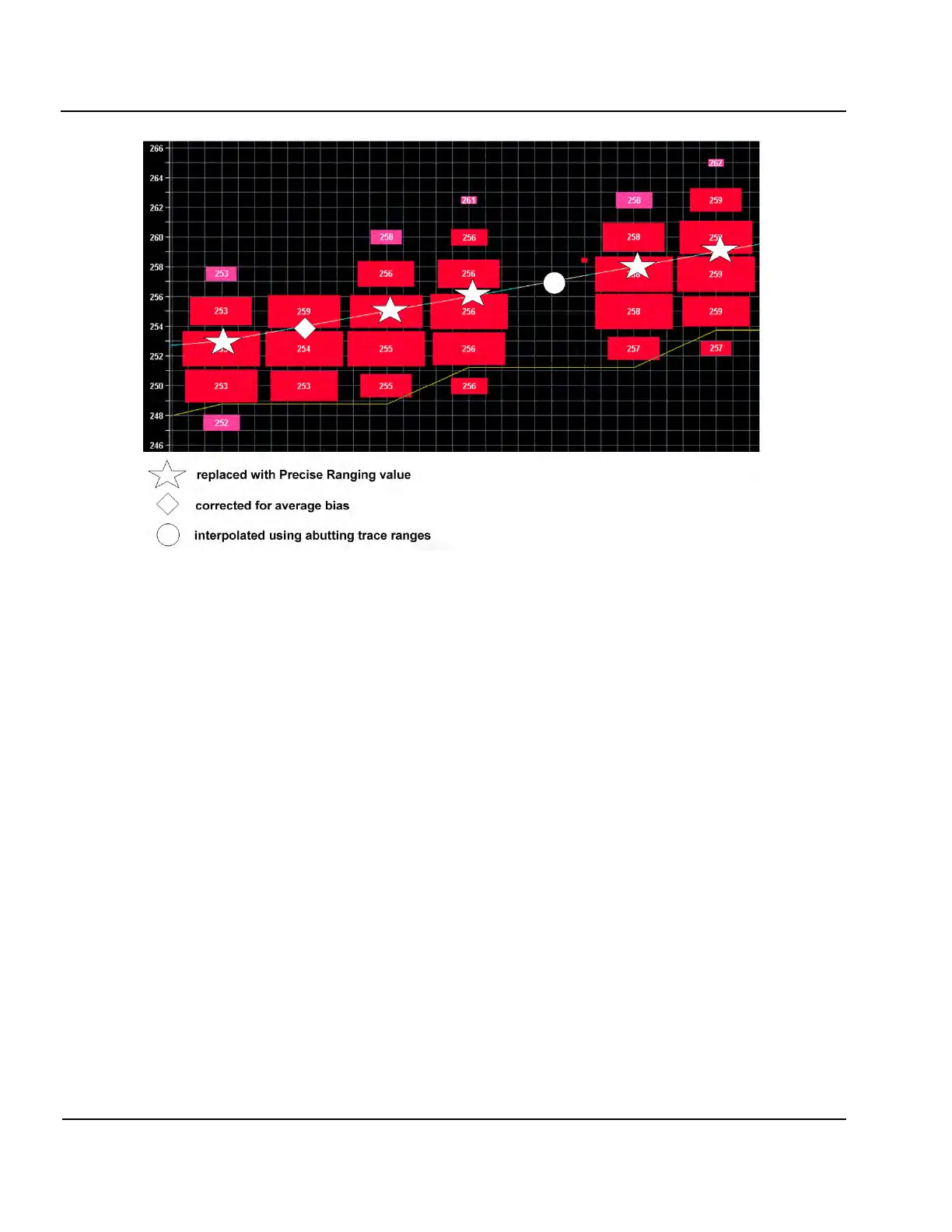
Figure 5-9: Precision Ranging (PR) Processing in ARTIST-5.
(The Original ARTIST Trace is Shown as the Yellow Line, and the Trace Updated with
(PR) Data is Shown as the White Line.
Calculated PR Values for Each Echo Bin are Shown as White Numbers Within the Bin. When PR Values
are Consistent Over Abutting Range Bins for the Same Frequency, their Value (Shown as White Stars) is
Used to Replace the Conventional Range Directly.)
DFT2SKY
5:52. DFT2SKY uses drift measurements to identify angle of arrival for all reflected signals (“sources”) ob-
served in the data. The angles are then plotted as dots on a ‘Doppler skymap’ in which center of the plot corre-
sponds to the vertical direction, the radial distance from the plot center represents the zenith angle, and the azi-
muthal angle is counted clockwise with the top of the plot corresponding to the North direction.
5:53. INPUT FILE: DFT. OUTPUT FILE: SKY
DDAV
5:54. DDAV uses skymaps to calculate the full three-dimensional plasma drift vector in the assumption that
the plasma moves uniformly within the field of view of the Digisonde
®
.
5:55. INPUT FILE: SKY. OUTPUT FILE: DVL
TILT
5:56. TILT uses skymaps to calculate the offset of the center of skymap sources from the zenith, i.e., the
overall tilt of ionospheric isodensity contours at the sounder location.
5:57. INPUT FILE: SKY. OUTPUT FILE: TLT
DRGMAKER



 To Next Page