LDI Intellectual Property.
Not for secondary distribution or replication, in part or entirety.
DIGISONDE-4D
SYSTEM MANUAL
VERSION 1.2.11
6-10 SECTION 6 - MAINTENANCE
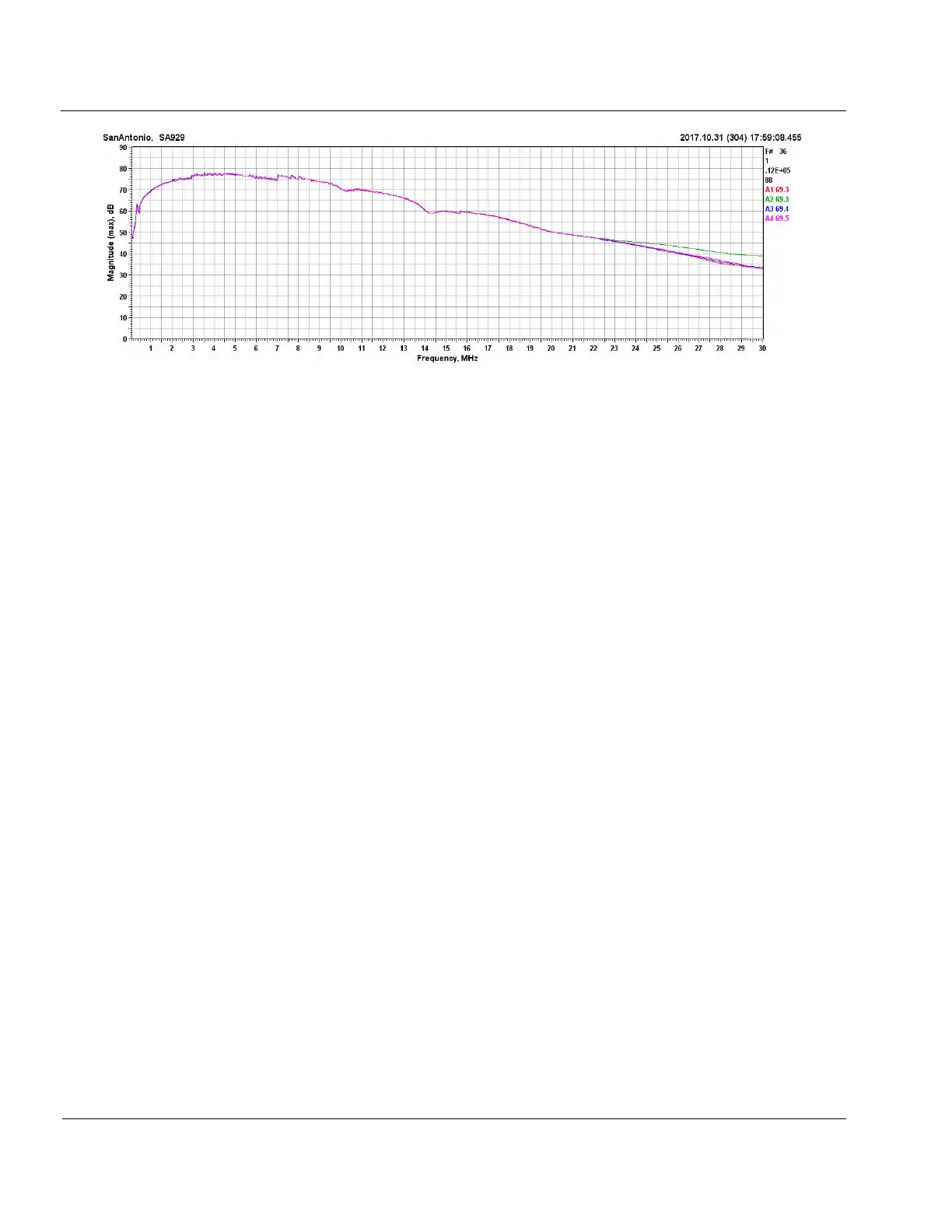
Figure 6-8: Ensure all 4 channels behave similarly as shown
OOSCILLATOR ADJUSTMENT OR TUNING
The following is an excerpt from the document “DPS-4D Transmitter Oscillator Testing and Tuning Procedure”
6:26. Introduction: All the timing and frequency generation in the DPS-4D is derived from a 61.44 MHz oven
controlled voltage-controlled crystal oscillator or OCVCXO on the backplane near the front left corner of the
chassis. The stability and resolution to which this crystal oscillator can be set is generally better than 1 part in
10
7
and possibly on the order of 1 part in 10
8
. However, like all quartz crystal oscillators, the frequency drifts
due to aging something on the order of 4 parts / 10
8
/ year and should be re-adjusted yearly. The following pro-
cedure details adjusting or tuning the OCVCXO . The reference for adjusting the OCVCXO frequency is the
GPS receiver component of the DPS-4D. The GPS receiver has a 1 pps (pulse per second) output which the
DPS-4D uses for time synchronization. This GPS 1 pps is essentially an absolute reference derived from the U.
S. Naval Observatory Master Clock. However, there is 50 to 100 nanosecond jitter on the 1 pps signal so the
operator performing the following testing and tuning generally has to watch and compare the GPS 1 pps to the 1
pps generated by the DPS-4D and study the average drift between the two signals on an oscilloscope. It should
be possible to adjust the Digisonde's crystal oscillator so that the drift between the two signals is less than 10 ns
per second (1 part in 10
8
)
6:27. Prepare programs and schedules for tuning the 61.44 MHz master oscillator
6:28. Tuning the 61.44 Mhz master oscillator of the DPS-4D system involves using an oscilloscope, observ-
ing two signals: the GPS 1pps and the R-Pulse trigger, and changing values of DCART Oven Control Oscillator
DAC values from within On-line Global Parameters in an effort to minimize the observed drift between those
two signals.
6:29. The GPS 1 pps is used as a reference signal against which the R-Pulse trigger output is to be compared.
This R-Pulse trigger signal (the BNC connector labeled TRIG on the front upper right of the transceiver chassis)
is only present when the system is transmitting. By creating an appropriate program and schedule the DPS-4D
system can be used to produce its own 1 pps signal (or actually one pulse every 2 seconds, 1/2 pps). That signal
will be compared with the GPS 1 pps during this procedure.
6:30. To tune the oscillator, first it is required to build the proper program and schedule to allow the DPS-4D
to produce a 1/2 pps signal. This program may already exist from previous oscillator adjustment in which case
check the parameters to ensure they agree with this document. Some parameters may have changed in order to
be compatible with the latest version of DCART. The name of the program may not be exactly Osc Tuning as
suggested below.



 To Next Page