Manual 37443A DSLC-2 - Digital Synchronizer and Load Control
Page 12/226 © Woodward
Application
≡≡≡≡≡≡≡≡≡≡≡≡≡≡≡≡≡≡≡≡≡≡≡≡≡
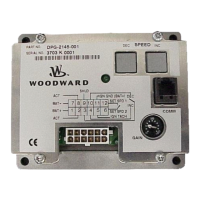
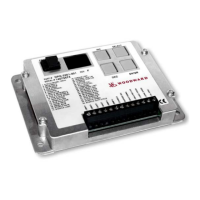
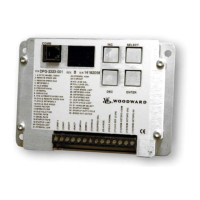
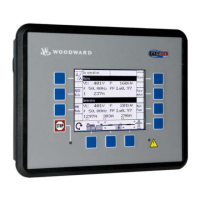
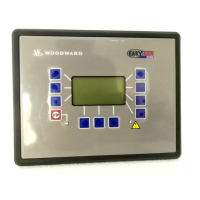
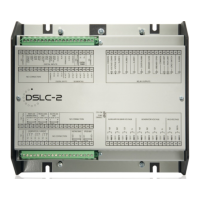
The Woodward DSLC-2
TM
control is the direct successor of the microprocessor-based DSLC
TM
synchronizer and
load control designed for use on three-phase AC generators. The DSLC-2
TM
control combines synchronizer, load
sensor, load control, dead bus closing system, var, power factor and process control, all integrated into one po-
werful package.
Applications allow up to 32 generators to be paralleled and controlled. A dedicated Ethernet system provides
seamless communications between DSLC-2
TM
and MSLC-2
TM
units. A second Ethernet port is provided for cus-
tomer remote control and monitoring capability using Modbus TCP allowing DCS and PLC interfacing. Modbus
RTU is available through a separate RS-485 port.
DSLC-2 function summary
Original DSLC functions include:
• Selectable for phase matching or slip frequency synchronizing with voltage matching and automatic
dead bus closure capability
• Automatic generator loading and unloading for bumpless load transfer
• Droop, base load and isochronous load control capability
• Process control for cogeneration, import/export, pressure control or other processes
• Isochronous load sharing with other sets equipped with DSLC controls
• Var or power factor (PF) control
• Built in diagnostics
• Multifunction adjustable high and low limit alarms and load switch with relay outputs
• Digital communications network to provide load sharing, var/PF sharing and other information ex-
change between controls
• Reverse power relay
Additional DSLC-2 functions include:
• One dedicated Ethernet line for precise system communications between all DSLC-2’s and MSLC-2’s
on the system
• Ethernet Modbus/TCP for remote control and monitoring
• Serial Modbus RS-485 for remote control and monitoring
• Applications with up to 32 DSLC-2 and 16 MSLC-2
• Automatic segment control (self recognizing of the segment)
• Process control with up to 32 DSLC-2 or 1 Master MSLC-2
• Full setup, metering and diagnostic capability through the PC program ToolKit
Synchronizer
≡≡≡≡≡≡≡≡≡≡≡≡≡≡≡≡≡≡≡≡≡≡≡≡≡
Either phase matching or slip frequency synchronizing may be selected. Phase matching provides rapid synchro-
nizing for critical standby power applications. Slip frequency synchronizing guarantees that initial power flow is
positive for all generators. For both synchronizing methods, the DSLC-2 control uses actual slip frequency and
breaker delay values to anticipate a minimum phase difference between bus and generator at actual breaker clo-
sure. The DSLC-2 control provides a safe automatic dead-bus closure function. Deadbus closing permission is
granted to only one DSLC-2 or MSLC-2 control in the whole system, through locking techniques done over the
communications network. This assures that a race condition will not cause two or more breakers to close simulta-
neously on the dead bus. Additional synchronizer features include voltage matching, time delayed automatic mul-
ti-shot reclosing, auto-resynchronizing and a synchronizer timeout alarm. Each of these features may be enabled
or disabled during setup.


 To Next Page
 Loading...