Chapter 10
173
UM10350_PCNC770_Manual_0916A
Troubleshooting
10. Troubleshooting
10.1 Troubleshooting Basics
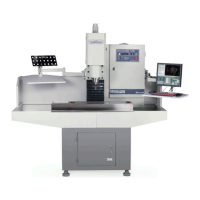
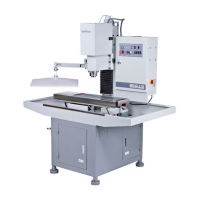
The PCNC 770, like many modern machines, is an integraon of mechanical and electrical components,
a controller, and an operang system. Taken as a whole, the PCNC is a sophiscated mill; however,
the mill is comprised of several subsystems, each of which is much easier to understand than the
mill as a whole. Troubleshoong involves ve key principles:
1 Divide and conquer Work on one problem at a time; focus on related issues only
2 Know your mill Be familiar with how mill functions under normal circumstances
3 Environmental changes
Determine if any changes occurred in mill environment including:
• The mill was moved
• A fuse blew or breaker tripped causing electronics to malfunction
• Water/moisture entered mill area
• Major temperature change in unheated facility
• Unauthorized mill use occurred
4 Work smart
Draft a list of tests to perform by level of difculty;
try simplest, most
likely tests rst to determine causes of problem; record results
5 One step at a time
Take time to complete one test before starting another, thereby not making
the problem worse by conducting random troubleshooting
This chapter builds on these key principles by providing a descripon of each of the subsystems on
the PCNC mill. This will serve to help the operator understand how the mill should work and provide
an overview of the components that are involved in the subsystem. We will also list some guidelines
for equipment and procedures used in troubleshoong.
As in most electromechanical machines, it is frequently easier to idenfy problems in the
mechanical systems than electrical and controller systems. With this in mind, most of the details in
the troubleshoong secon will address non-mechanical areas.
See the owchart in Figure 10.1 which outlines the recommended order to use this chapter.


 To Next Page