Technical / Programming Manual
FT128 Rev 2.2
23
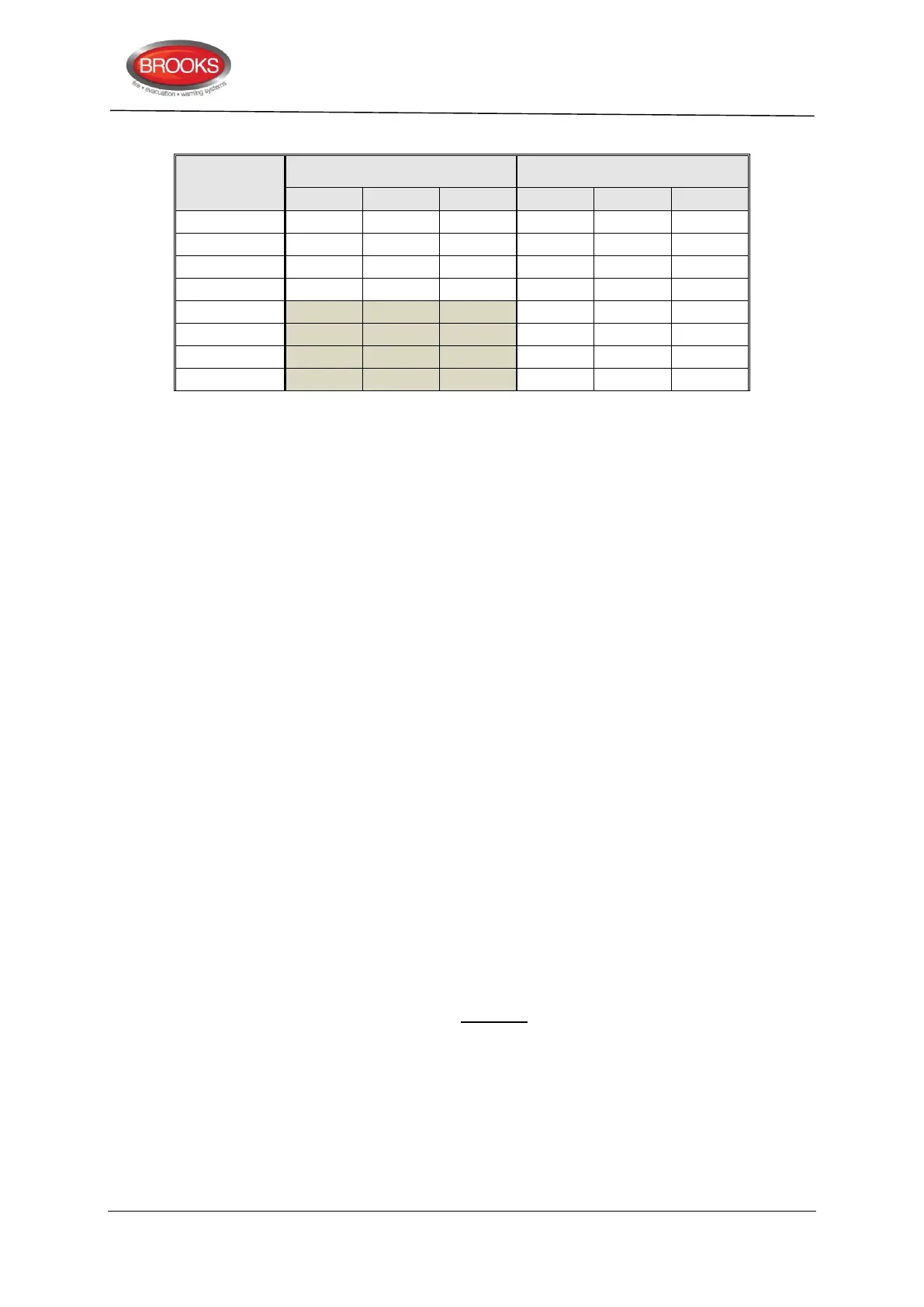
Table 4 Expansion boards address setting
X=Shunted, Blank = Open
Address 4 - 7 on 4580, 4581 and 4583 are not currently used
4.1 8 Zones Expansion Board 4580
Up to four 4580 boards can be used, see Table 3 “Expansion Boards Allowed”, page 22.
Each board has to be programmed via EBLWin with an address (board no.) which is set
via the jumpers "JP2 and JP4" as shown in Table 4 above.
The 4580 board has eight conventional Zone Line Inputs (0-7) intended for conventional
detectors, MCP, flow switch input or any N/O clean contact. In the last alarm point on each
zone line, an End-Of-Line device must be connected, depending on the selected "Type of
Zone Line Input", see below.
Connections to "J1:1-16" and "J2" according to drawing F665.
Each Zone Line Input has to be programmed via EBLWin for the following:
Type of Zone Line Input (see below), depending on detectors / End-Of-Line device
(capacitor or resistor), i.e. different threshold levels etc.
Alarm at short circuit i.e. whether a short- circuit on the zone line generates a fault
or fire alarm.
Zone number (Address optional)
AVF (Alarm Verification Facility), if required
Text (Alarm text when required)
Alert annunciation & time channel
Disablement & time channel
The terminals support a wire size up to 1.2 mm
2
.
4.1.1 Type of Zone Line Input
Each input must be selected either as Not used or as one of the following types / modes.
4.1.1.1 Zone Line Input (EOL Capacitor)
This mode should normally be used. It has the lowest zone line current consumption since
the End-Of-Line device is a capacitor, 470 nF (±10 %).
Maximum allowed cable resistance is 50 Ω.
Maximum allowed cable capacitance is 50 nF.
Maximum allowed zone line current consumption is 1.5 mA.



 To Next Page