Configuration
CS210 Rev. B4 Feb 2015 45
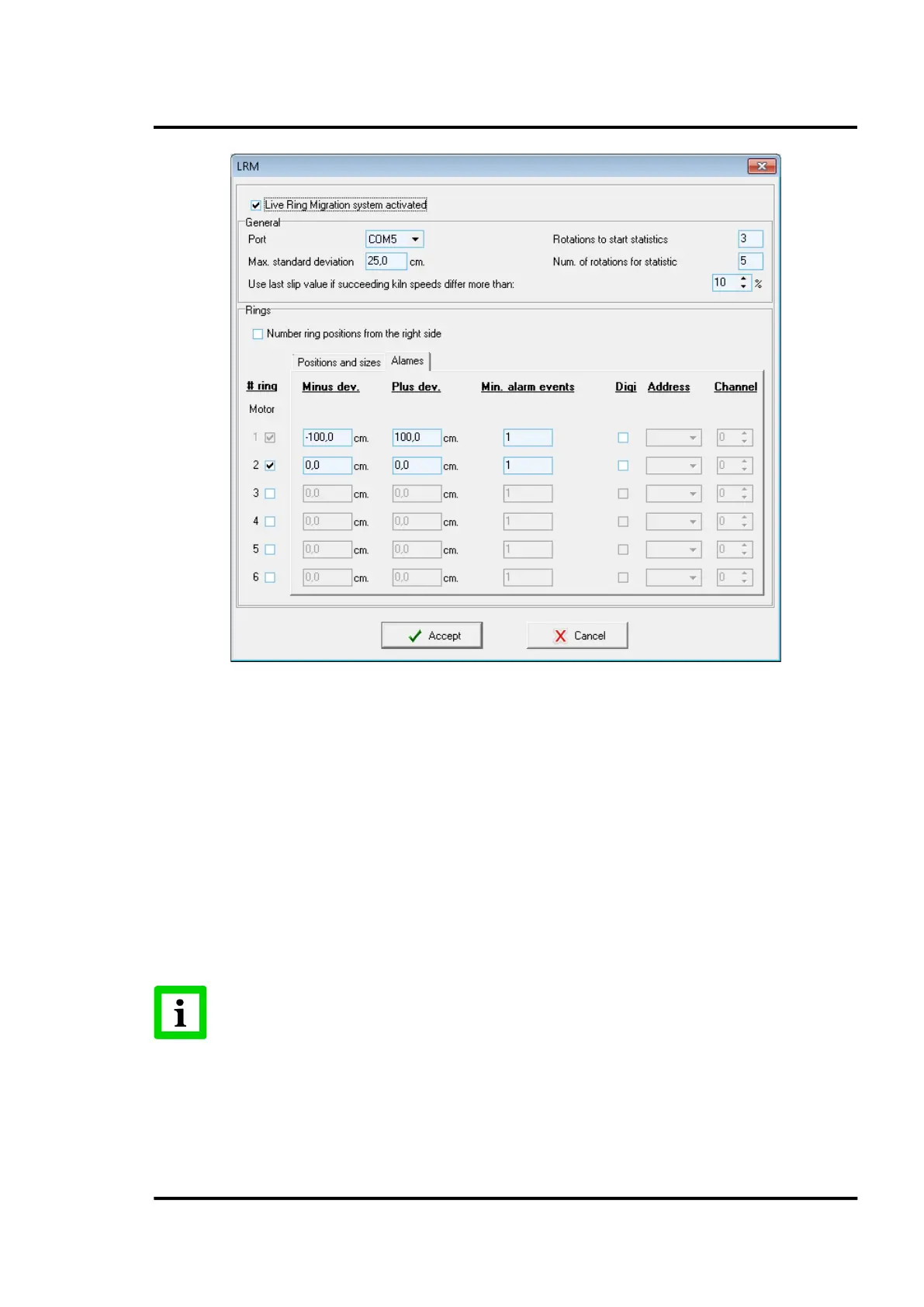
Figure 37: Typical Setting for LRM Configuration
Standard data required includes the COM port, the maximum standard deviation accepted for any
ring. In case of violating the <Max. standard deviation>, an LRM alarm is generated.
<Rotations to start statistics> number of kiln rotations to consider before calculating the standard
deviation.
<Num. of rotations for statistics> number of kiln rotations to consider when calculating the standard
deviation.
<Use last slip value if succeeding kiln speeds differ more than> If the change for the kiln speed from
one turn to the next is bigger than the given threshold, not the current but the last valid deviation
value for the tyre will be taken.
Within the <Rings> section, the user can define each ring along the length of the kiln, the ring diameter
as well as the deviations.
Deviation values will vary from kiln to kiln and also with refractory material. We
strongly recommend that you consult the kiln specifications or contact the kiln supplier
for more information!
With <Min. alarm events> you can determine the number of consecutive times that a ring must exceed
the user-defined limits before an alarm is initiated. For instance, if the value is 1, at the first incident,
the system will generate an alarm to warn the user. If the value is 2, the system will not take action


 To Next Page