892 J006 MNAH | PGC5000 G EN 2 | 139
9.1.3 Temperature programmed oven
The oven in the Temperature Programmed GC contains components similar to those in the PGC5000
C-Class oven. The primary differences between the two versions are in the programmed oven section
of the TPO and the heater blocks surrounding the detectors.
9.2 Technical description of isothermal oven
9.2.1 Liquid sample valve
The liquid sample valve is externally mounted on the right side of the oven compartment and extends
into the oven. It is actuated by a pneumatic signal from a solenoid valve located in the Master
Controller. The liquid sample valve captures a specific volume of liquid sample below its boiling point,
then injects it into a temperature controlled (vaporizing) chamber of the sample valve. The sample
valve then injects a vapor plug into the column.
9.2.2 Detector
Standard detectors are the flame ionization detector (FID) and the single port thermal conductivity
detector (TCD). The detector is mounted on top of the temperature programmed oven and it is
integrated with the TP oven in order to provide an optimal analytical flow path and eliminate potential
cold spots. The detector has a heater block surrounding it; otherwise, it is the same as that used in
the standard PGC5000 Generation 2 analyzer.
9.2.3 Digital temperature controller
The Digital Temperature Controller (DTC) controls the temperature of the liquid sample valve, the
temperature programmed oven, the detectors, and the isothermal oven using the DTC’s temperature
control and configuration screens. All instructions for the DTC are described in the applicable
Operating Instructions.
9.3 Technical description of temperature programmed
oven
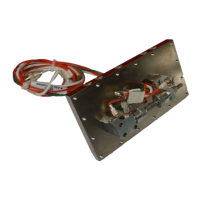
The temperature programmed (TP) oven is a low mass oven designed for rapid thermal response,
capable of being programmed for temperatures up to 280 degrees C. It contains a heater barrel,
temperature probe, vortex cooling vent, air pressure sensor connection, and column. An air outlet
allows a continuous cool air flow (purge) into the temperature programmed oven lining.
Sample separation takes place in the column, which is installed between the analytical valves and the
detector. Everything to do with the column is application-specific. Column composition (capillary or
packed), size (length and diameter), and column packing material or film thickness depend on the
composition of the representative sample and the analysis method.
9.4 Functional description
When the power is turned ON, the following components receive power:
⎯ oven compartment, including both the isothermal and temperature programmed oven heaters
⎯ detector power supply
⎯ Master Controller (display illuminates)
⎯ detector heater
⎯ sample valve heater
Temperature programming is application-dependent and is configured in the factory. Temperature
settings for heated component zones can be found in the Data Package sent with the analyzer. This
information should be used as a reference during setup and start-up, and when troubleshooting and
calibration are performed. If adjustments need to be made, they should be made according to the
information in the Data Package.
Allow adequate time for the isothermal and temperature programmed ovens to heat to the proper
temperature level.
When you perform the time cycle check, verify isothermal oven, temperature programmed oven,
liquid sample valve, and detector temperatures with the Data Package information. These
temperature settings are made in the factory and should not require adjustment.
All other functions of the Temperature Programmed GC are the same as for the standard GC. Refer to
the applicable sections of the Operating Instructions for this information.



 To Next Page