892 J006 MNAH | PGC5000 G EN 2 | 87
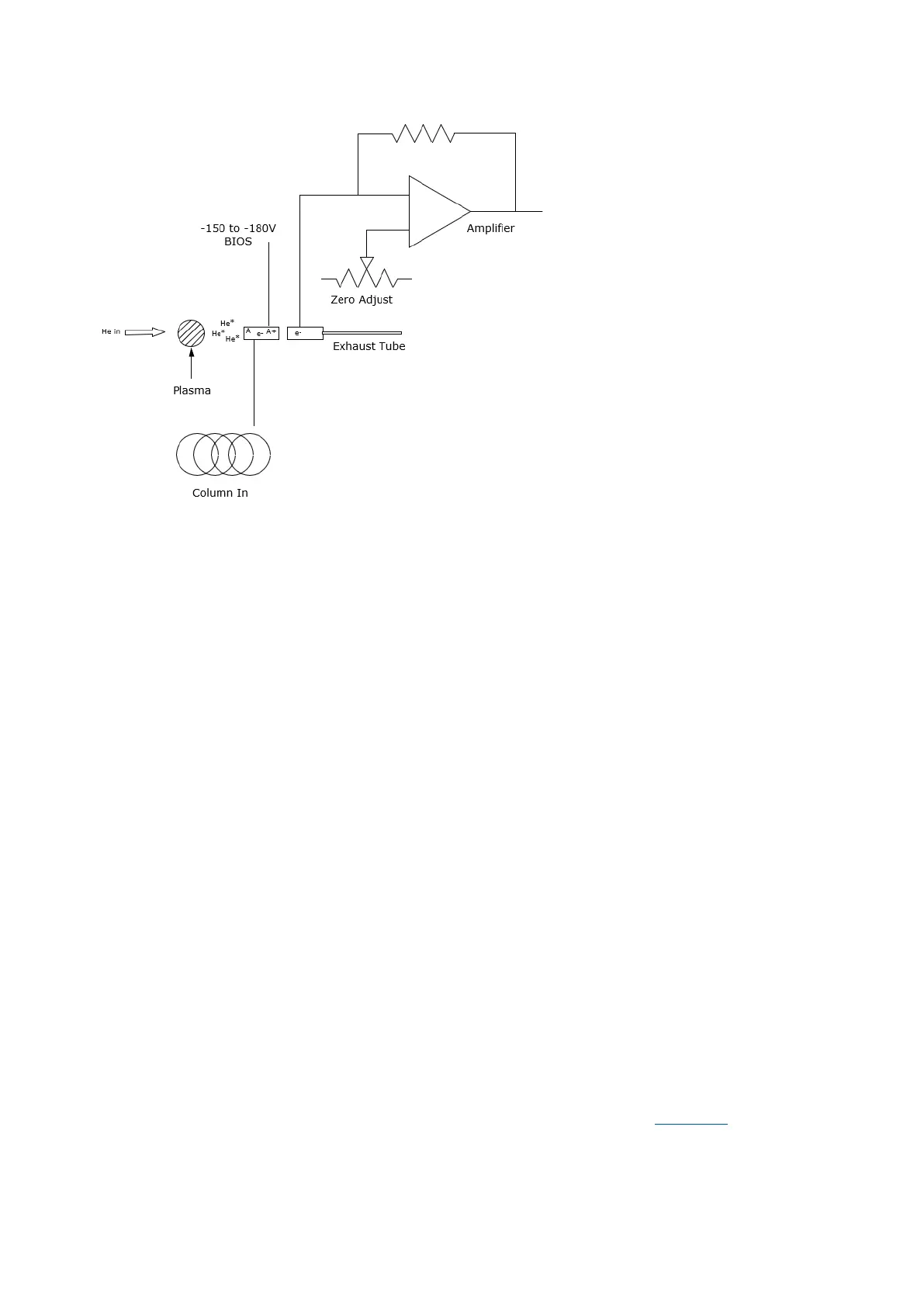
Figure 5-2: Typical DBDID process
5.3 Peak detection
The analyzer utilizes a new method of peak detection called min-max detection. To understand the
new method, this section first reviews the current, or classic, method of detection before explaining
the min-max method.
5.3.1 Classic method of peak detection
In the classic mode, two methods of peak detection are offered: forced gating and slope detect. The
forced gating method requires the operator to take full control of the peak definition. The start and
end times are manually entered, along with the topology (baseline or valley). Forced gating method
makes no assumptions about the shape of the peak, while the maximum point between the start and
the end is the crest. A single peak is assumed, whether the chromatogram results in single peak or
multiple peaks.
The slope detect method assumes that all peaks meet certain criteria based on the slope of the signal.
A peak must start with a positive slope, crest and then finish with a negative slope that levels out. A
quiet chromatogram is treated as a quiet signal and only peaks meeting the necessary conditions are
picked up. Slope detect determines peak crests, start and end times, and topologies automatically.
Each method has pros and cons, but neither method satisfies all application requirements. Slope
detect is the preferred method when peaks meet at valley conditions or move around. Forced gating is
the preferred method when the peaks are poorly shaped or when slope detect will not give reliable
results.
5.3.2 Min-max method
The ABB min-max method of chromatographic peak detection provides a higher level of accuracy than
the classic method. The ultimate goal of the PGC is to provide repeatable and accurate determination
of component concentrations. Peak detection algorithms are used to scan the chromatogram to
determine what part of the signal represents the peaks of interest and their respective concentrations.
Typically, this is a two-step process. The first step determines when to start and stop integrating the
area under the peak. The second step is baseline correction to determine what part of the peak’s area
is due to not starting and ending at baseline.
5.3.3 Min-max examples
The min-max method is a more reliable and accurate approach to measuring peak area. This method
is closer to forced gating than it is to slope detect. Each peak specification includes windows for crest
time, start and stop of integration, and start and stop baseline correction (see Figure 5-3). The
baseline correction window specifies the peak topology for the baseline and valleys. The integration
and crest windows allow for offset from a maximum in the analysis.



 To Next Page