15
3: Installation
Installation: Overview
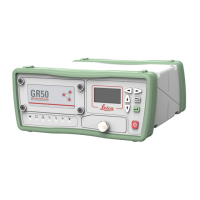
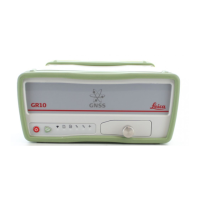
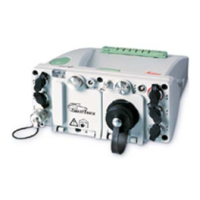
A detailed list of things to consider before installing the instrument, including
• Installation location
• Installation orientation
Detailed diagram of possible installations
• Rack mount
• Wall / Cabinet Mount
• Free Standing / Stacking
A detailed description of every Web Interface page is included in the Context sensitive help section.
Before Installation
Installation location
It is recommended that the instrument is installed so that it is
• protected from mechanical influences and lightning.
• within 70 m of the antenna, without the need to use inline amplifiers.
• located sufficiently far enough away from potential sources of radio frequency interference. High-power signals from nearby
radio, radar or GSM/GPRS/UMTS cell towers can cause problems with GNSS tracking. Such interference is not harmful to the
instrument but could cause a loss of GNSS data.
Installation orientation
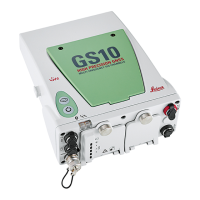
• For inside assembly, the instrument can be installed in any direction
• When installing the instrument outside, orientate the instrument vertically so that the connector points are pointing downwards
Cable installation
Ensure that the cables between the instrument and antenna are positioned to prevent them from becoming bent, stretched or squeezed.
For the installation of the cables, the general rules for the installation of electrical wiring apply.
Please consider that a well-planned and thoroughly carried out electric installation not only protects the cables against damage, but also
looks professional.
For detailed installation information, refer to the GNSS Reference Station and Networks - An Introductory Guide.
Related topics


 To Next Page