Chapter 16 Reference
16.3 Ion measurement
F-52, 53, 54, 55 233
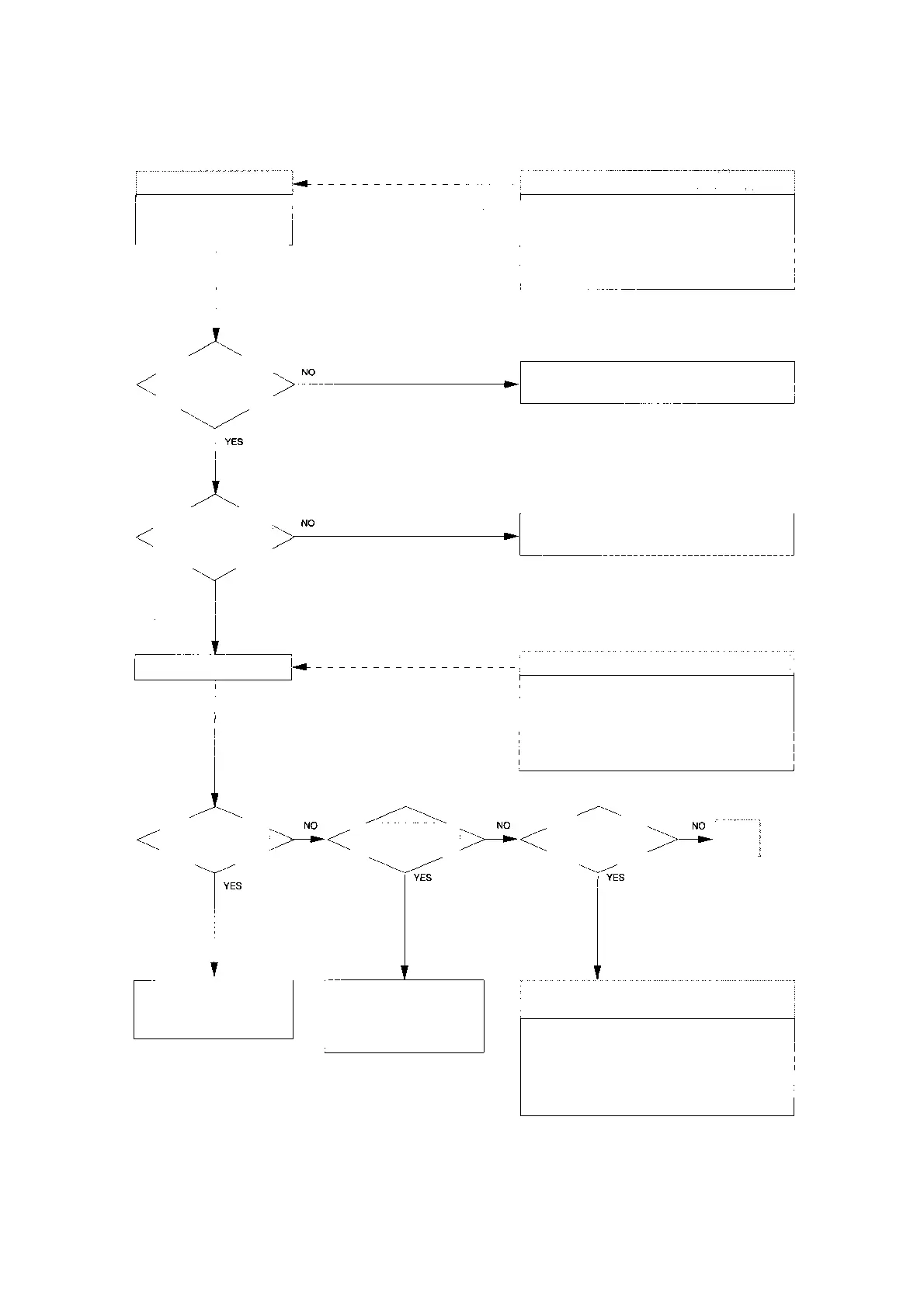
Troubleshooting on measurement
Using acid and alkali solutions which do not interfere the elec-
trode or pH buffers, control the pH value of the sample within the
specified range.
Use masking agent against interfering ions if it is found appropri-
ate. (Possible candidates for this masking agent include chelat-
ing reagent, precipitant, and complex forming agent.)
(3)Pay attention to the following points;
Since the response of the electrode may be delayed when the
sample is measured at 10 ℃ or less, wait for the reading to be
completely stabilized before starting measurement.
For solutions of high viscosity and other samples containing sus-
pensive substances, use the reference electrode with a sleeve
type liquid junction part.
(1)pH
(2)Species and concentration of coexistent
ions
(3)Temperature, viscosity, and turbidity
1) Is appropriate indication base included?
2)Does temperature stay constant?
3)Does the stirrer operate at proper speed?
4)Is the rubber stopper at the reference electrode open?
5)Is the internal liquid type of the reference electrode proper?
6) SI the liquid junction part of the reference electrode free from
clogging?
Measurement
Use masking agent against
interfering ions if it is found
appropriate.
The measured ions might have
caused precipitation or formed
complex compounds. Consider
the possibility of using a disso-
ciative agent.
Support-
ing elec-
Support-
Is the measured value
abnormal? Do you find it
too high?
Does the pH value fall within
the appropriate pH range?
Refer to the instruction man-
ual which comes with the
electrode.
Does the concentration of
coexistent ions exceed the
allowable limit interfered by
coexistent ions? Refer to the
instruction manual which
comes with the electrode.
Is the measured value
abnormal? Do you find it
too low?
Do you find the drift of
the reading and the
response time too late?
Check the properties of the sample
solution.
Check points in calibration
Measure-
ment is
complete.
electrolyte;
Check the measurement conditions again. (Refer to the
instruction manual which comes with each electrode.
(Caution)
1) Is appropriate indication base included?
2)Does temperature stay constant?
3)Does the stirrer operate at proper speed?
4)Is the rubber stopper at the reference electrode open?
5)Is the internal liquid type of the reference electrode proper?
6) SI the liquid junction part of the reference electrode free from
clogging?



 To Next Page