Chapter 9 Kinetics Operation 125
Max. Burst Mode
Repetition Rate
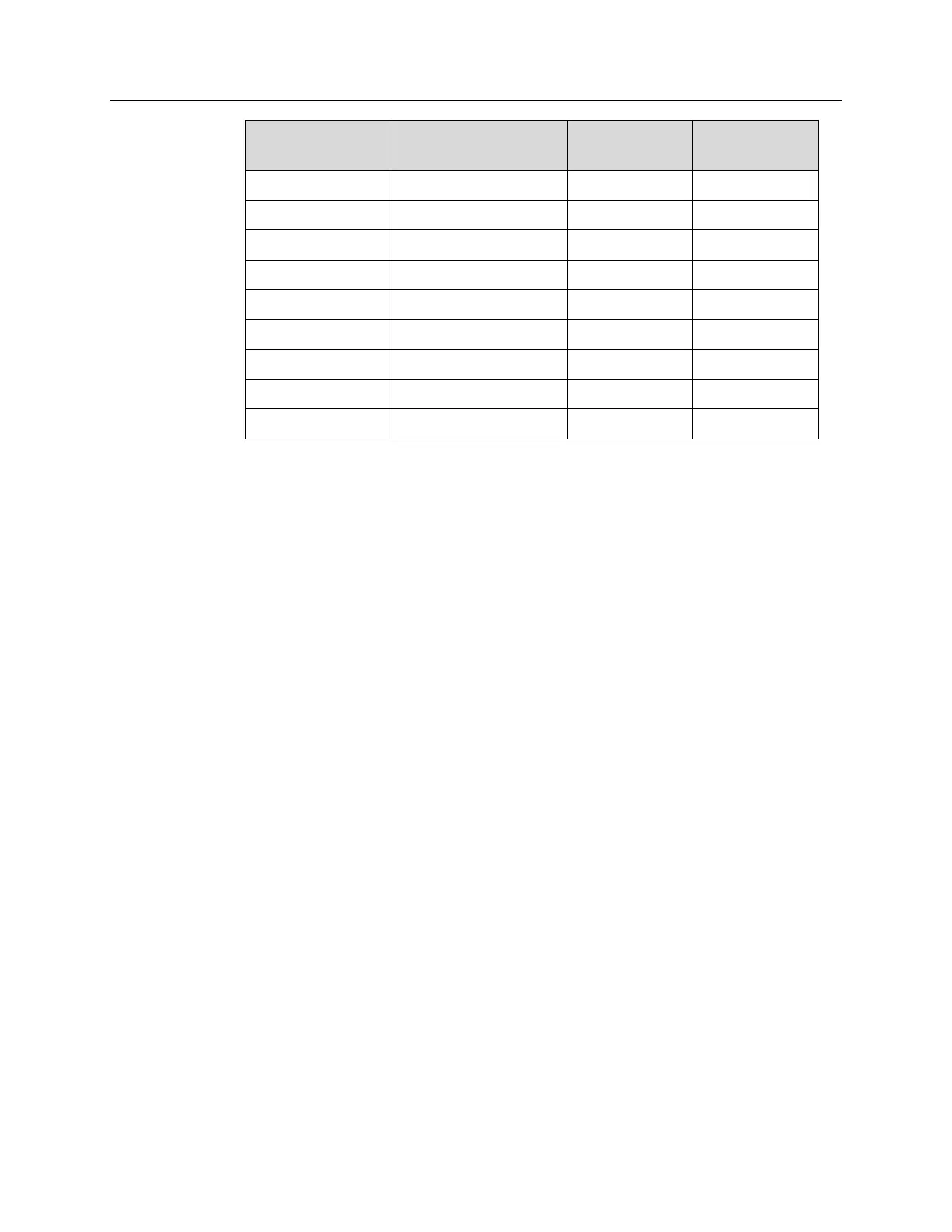
Table 8. Burst Mode Repetition Rate for PI-MAX 512 and PI-MAX 1k Models
One Shot Experiments
One shot experiments can also be performed in the kinetics mode. Two different kinds of
kinetics modes, slow and fast, are provided. In the slow kinetics mode the time scale is on
the order of 10 to 100 µs per image or spectra. In the fast kinetics mode the time scale is
in the 2 to 100 ns range. In the slow kinetics case, a small strip on the CCD array is used
for integration of the light signal. The remainder of the array is masked off, either
through the optics or through a physical mask in front of the camera and the masked
portion of the chip is used as its own storage register. The data-acquisition speed is
limited by how fast a row of information on the CCD can be physically shifted. For
example, if the vertical shift speed is three microseconds per row and the strip is five
rows tall, it will be possible to get a fresh spectrum every 15 µs. In the case of a chip
that's 256 pixels tall, it will be possible to get 50 spectra on the chip before it is
completely filled, at which point it can be read out as an image.
In a fast kinetics experiment, a fiber optic delay line can be used to provide the timing.
For example, you might have ten fibers, with the first fiber being 7 ft long, the second
fiber 14 ft long, the third fiber 21 ft long, etc., up to the last fiber, which would be 70 ft
long. The optical delay differences provided by each of those fibers is approximately
10 ns. If the fibers were aligned at the entrance slit of the spectrograph, and gated once,
ten snapshots in time, each one separated from the one above it by 10 ns, would be
produced.



 To Next Page