144 PI-MAX/PI-MAX2 System Manual Version 5.F
F-Mount
For a camera with the F-mount type design, you will need two elements to mount the
camera on your microscope. The first element is a Diagnostic Instruments Relay Lens. This
lens is usually a 1× relay lens that performs no magnification. Alternatively, you may use a
0.6× relay lens to partially demagnify the image and to increase the field of view. There is
also a 2× relay lens available for additional magnification. The second element is a
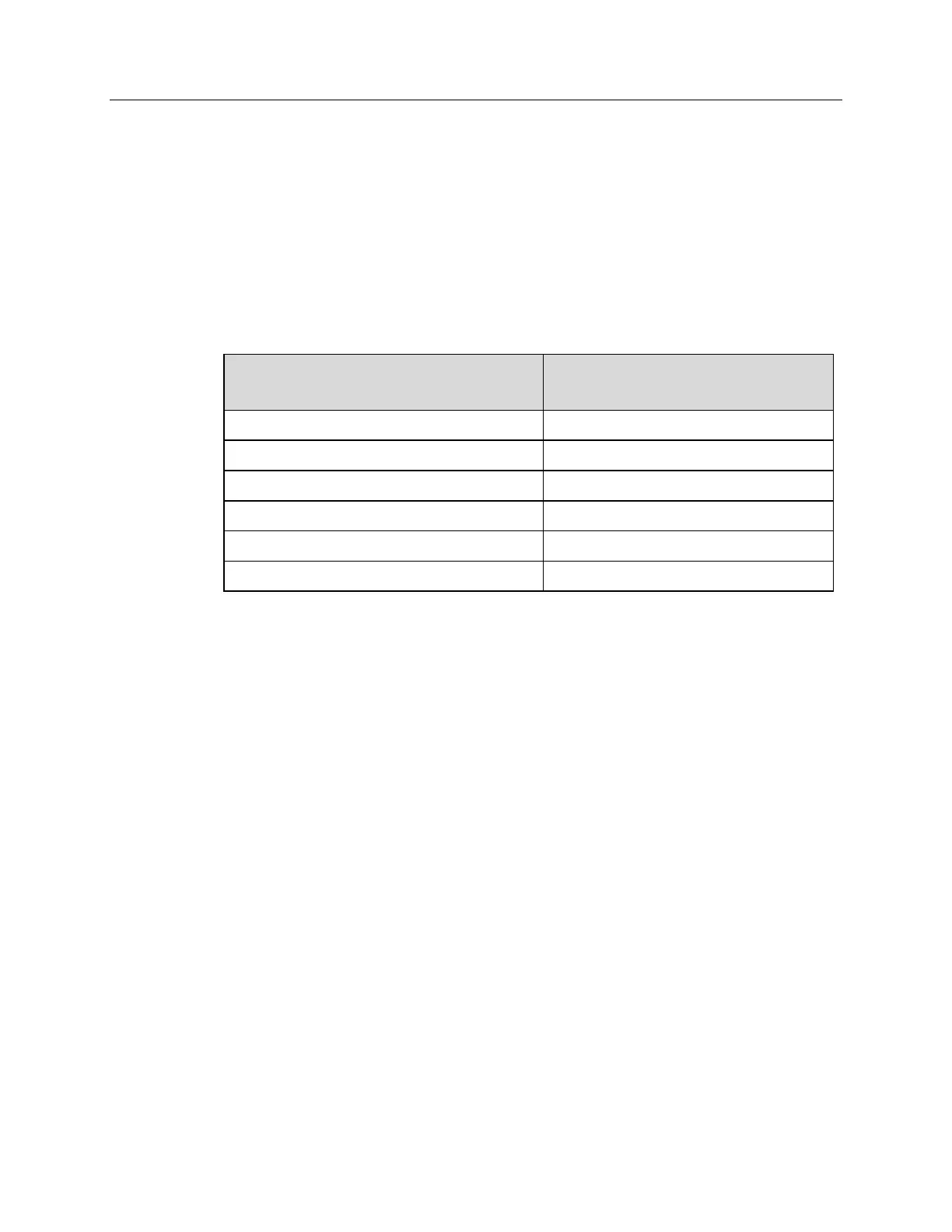
microscope specific Diagnostic Instruments Bottom Clamp. Table 9 lists the bottom clamps
routinely used with each of the microscope types. They are illustrated in Figure 84. If you
think that you have received the wrong type of clamp, or if you need a clamp for a
microscope other than those listed, please contact Princeton Instruments.
Diagnostic Instruments
Bottom Clamp Type
Olympus BH-2, B-MAX, IMT-2
Zeiss Axioscope, Axioplan, Axiophot
Table 9. Bottom clamps for different type microscopes
To assemble the pieces, first pick up the camera and look for the black dot on the front
surface. Match this dot with the red dot on the side of the relay lens. Then engage the two
surfaces and rotate them until the F-mount is secured as evidenced by a soft clicking
sound. Now, place the long tube of the relay lens into the bottom clamp for your
microscope, securing the two together with the three setscrews at the top of the clamp as
shown in Figure 85. This whole assembly can now be placed on the microscope, using
the appropriate setscrews on the microscope to secure the bottom clamp to the output port
of the microscope.
The F-mount is appropriate for any trinocular output port or any side port. When
mounting the camera perpendicular to the microscope on the side port, we recommend
that you provide some additional support for your camera to reduce the possibility of
vibrations or excessive stress on the F-mount nose. Princeton Instruments does not advise
using an F-mount to secure the camera to a bottom port of an inverted microscope due to
possible failure of the locking mechanism of the F-mount. Contact the factory for
information about a special adapter for operating in this configuration.



 To Next Page