Chapter 5 General Operation Factors 57
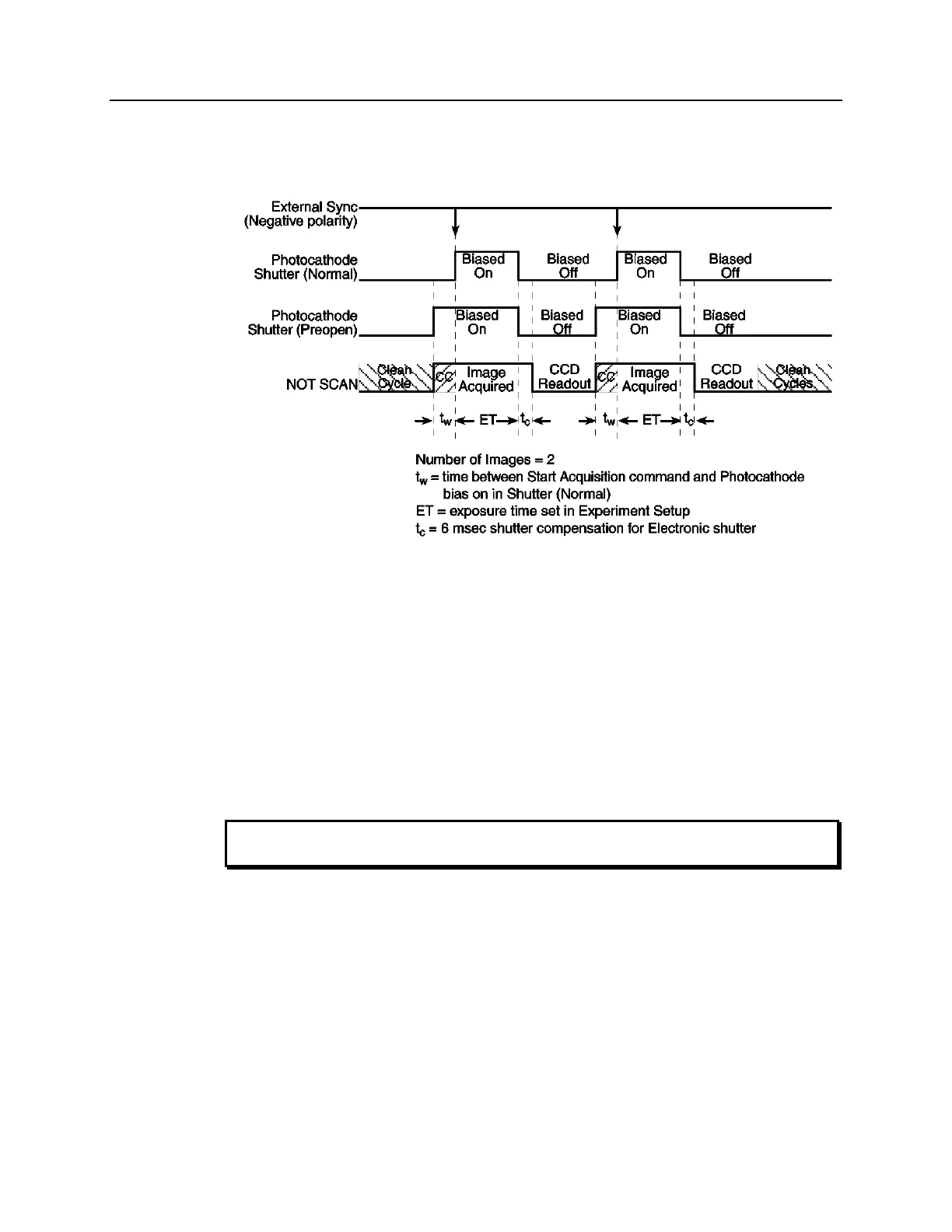
Figure 17 shows a timing diagram that is basically the same as the one shown in Figure 16.
The difference is the continuous cleans (indicated by the shaded areas labeled CC) that now
occur during t
w
(the
waiting period during which External Sync will be accepted).
Figure 17. Timing Diagram: External Sync with Continuous Cleans
Shutter Compensation Time
Shutter Compensation Time is the amount time inserted between the end of the exposure
time and the beginning of the array readout. This amount of time is determined by the
Shutter Type choice on the Hardware Setup|Controller/Camera tab card). For a
PI-MAX, the appropriate choices are "Electronic" and "None". When "Electronic" is
selected, 6 msec is inserted to allow time for the phosphor to decay: this choice is
appropriate for a P43 phosphor. No time is inserted when "None" is selected: this choice
is appropriate for a P46 phosphor.
Temperature Control
Under normal conditions, the front end of the camera is sealed and backfilled so there
is no danger of damage due to condensation.
Cooling Method
Cooling the CCD array reduces the amount of dark charge, thereby acting to improve the
signal-to-noise ratio. An internal Peltier device directly cools the cold finger on which the
CCD is mounted. The heat produced by the Peltier device is then removed by the air drawn
into the camera by the internal fan and exhausted through the back-panel grill. The fan is
always running and cooling the CCD and the internal electronics. Additional heat removal
can be performed by circulating water through an internal heatblock.
Air-cooling: With air-cooling alone, at an ambient temperature of 25C, temperature
lock at -20 should typically take ten to twenty minutes. Cooling performance is
affected by the CCD array being used (i.e., larger arrays may take longer to cool than



 To Next Page