DES-3000 Series Layer 2 Switch CLI Reference Manual
1
INTRODUCTION
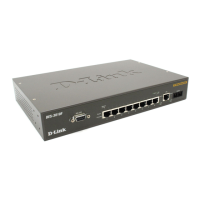
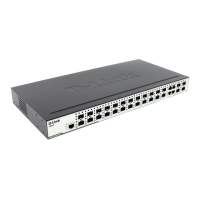
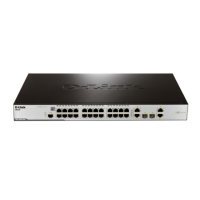
This document is a reference guide for all DES-3010F/DES-3010FL/DES-3010G/DES-3018/DES-3026 switches. Throughout
this manual, the DES-3026 Switch will be the Switch referred to for all examples and configuration information. All DES-
3010F/DES-3010FL /DES-3010G/DES-3018/DES-3026 switches contain the same information and posses the same
configuration capabilities. The difference in switches reside in the port type and the port count only.
The DES-3026 Switch can be managed through the Switch’s serial port, Telnet, or the Web-based management agent. The
Command Line Interface (CLI) can be used to configure and manage the Switch via the serial port or Telnet interfaces.
This manual provides a reference for all of the commands contained in the CLI. Configuration and management of the Switch
via the Web-based management agent is discussed in the User’s Guide.
Accessing the Switch via the Serial Port
The Switch’s serial port’s default settings are as follows:
• 9600 baud
• no parity
• 8 data bits
• 1 stop bit
A computer running a terminal emulation program capable of emulating a VT-100 terminal and a serial port configured as
above is then connected to the Switch’s serial port via an RS-232 DB-9 cable.
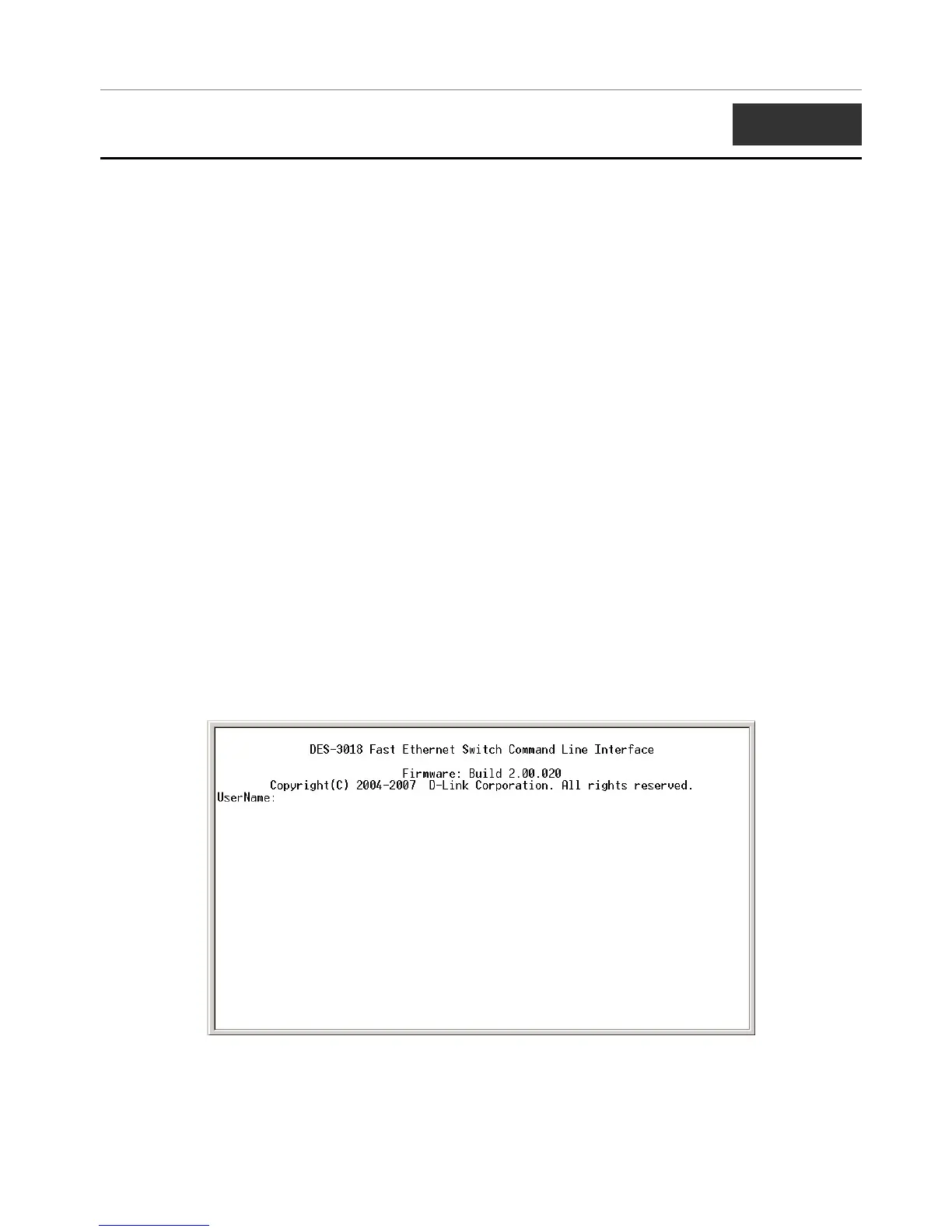
With the serial port properly connected to a management computer, the following screen should be visible. If this screen does
not appear, try pressing Ctrl+r to refresh the console screen.
Figure 1-1. Initial CLI screen
There is no initial username or password. Just press the Enter key twice to display the CLI input cursor − DES-3026:4#. This is
the command line where all commands are input.
1






 To Next Page