Antenna Characteristics Appendix A
FA4800 User Manual Release 1.9.40 A-6
Antenna Characteristics
An antenna is the radiating and receiving element from which the radio signal, in the form of
RF power, is radiated to its surroundings and vice versa. The transmission range is a function
of the antenna gain and transmitting power. These factors are limited by country regulations.
The FA4800 may be operated with an integrated antenna attached to the ODU unit, or with
an external antenna wired to the ODU via a N-type connectors. All cables and connections
must be connected correctly to reduce losses. The required antenna impedance is 50.
Power Consumption 0.5W (not including radio)
Protections
Differential - 15KW
Common – 3KW
Ethernet LAN interface type RJ 45, 10/100BaseT Interface (Line Impedance -100)
DC input 2 pins connector
ODU (PoE Port) RJ45
Dimensions 24.5cm(H) x 13.5cm(W) x 4.0cm(D)
Weight 1.0kg/2.2lbs
Enclosure All weather cases
Operating Temperatures -35C - 60C / -31F - 140F
Humidity Up to 100% non-condensing
Standards
IEC 60721-3-4 Class 4M5
IP67
FCC/IEC/ CAN/CSA 60950-1, 60950-22
ETSI EN 300 386 V1.3.2; EN 301 489-1 V1.4.1
FCC CFR47 Class B, Part15, Subpart B
CAN/CSA ICES-003:2004 Class B
AS/NZS CISPR 22:2006 class B
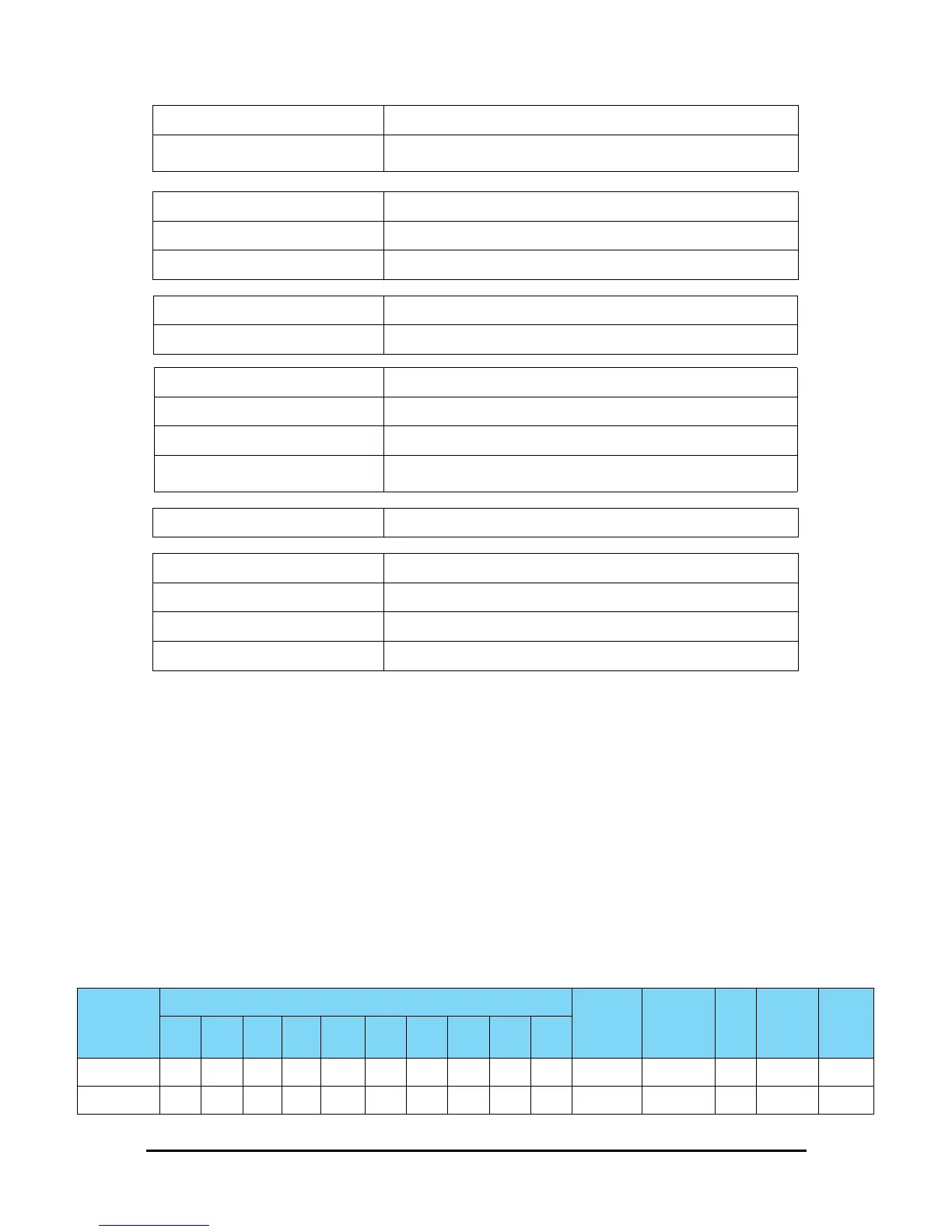
Table A-1: Antenna Specifications
Freq range
GHz
Frequency bands
Form
factor
Type
Gain
dBi
Beam
width
Dimen-
sions
ft
2.3
GHz
2.4
GHz
2.5
GHz
2.7
GHz
4.9
GHz
5.3
GHz
5.4
GHz
5.8
GHz
5.9
GHz
6.0
GHz
2.40-2.70 Integrated Flat panel 16 20 1
2.30-2.70 Integrated Flat panel 17.5 25 1



 To Next Page