54200
Users Manual
5-42
NICAM Sound
Fluke 54200 with the NICAM Option offers the NICAM-728 system for different terres-
trial TV systems, see table below. Exact information on the contents of the NICAM-728
system can be obtained from the ETSI Standard ETS 300 163 and
Rec. ITU-R BS.707-1.
The NICAM-728 Transmission Mode
Two sound carriers are used for the NICAM-728 transmission mode, similar to the ana-
log FM Stereo/Dual sound mode. For NICAM, for reasons of compatibility, the first
sound carrier is still transmitting the analog information assigned to the picture contents.
The second sound carrier comprises the total digital two-channel audio information.
For different TV systems, the following NICAM systems and sound carrier frequencies
are used:
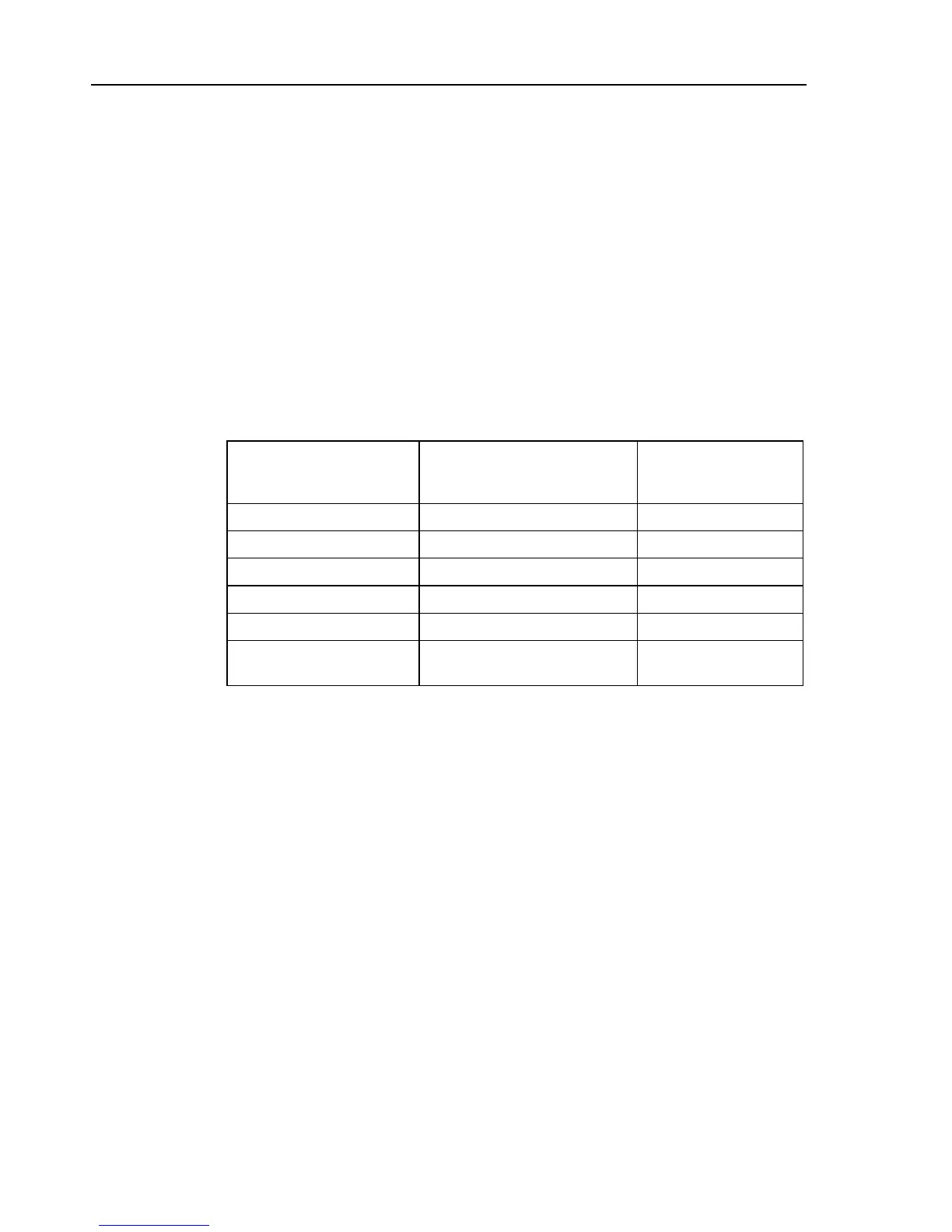
Table 5-14. NICAM-728 Transmission, 54200 NICAM Systems
54200 TV Systems 54200 NICAM Systems NICAM Sound Carrier
Frequency
(2. Sound Carrier)
PAL B/G NICAM B/G 5.850 MHz
PAL D/K NICAM DK (Europe, China) 5.850 MHz
PAL I NICAM I (related to bit-rate clock) 6.552 MHz
SECAM L NICAM L 5.850 MHz
SECAM D/K/K1 NICAM DK (as system B/G) 5.850 MHz
Combined TV systems
NTSC 4.433 MHz subcarrier
all NICAM systems except
NICAM L, see above
frequencies, see above
For NICAM, the analog sound signal is converted into 14-bit amplitude values at a
sampling rate of 32 kHz. These values are compressed to 10 bits. A further parity bit
serves for an error message.
The 728 bit frames are made up as follows:
•
8-bit Frame Alignment Word (FAW) is used for synchronizing.
•
5 bits are used for control information (C0 to C4).
•
11 bits are reserved for future applications.
•
704 bits are sound, parity or data bits.


 To Next Page